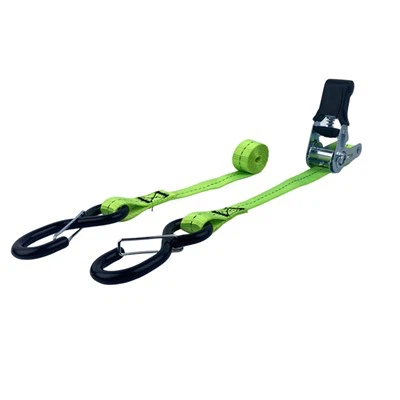
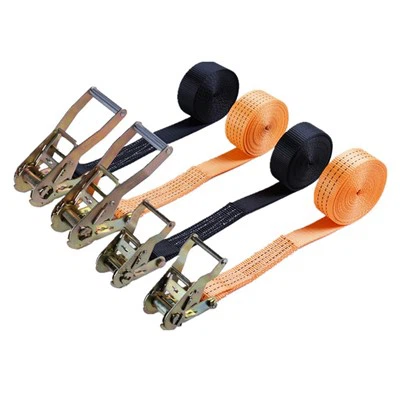
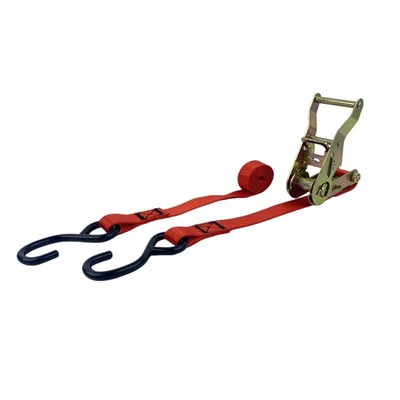
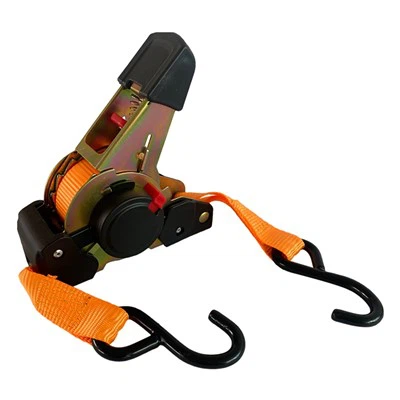
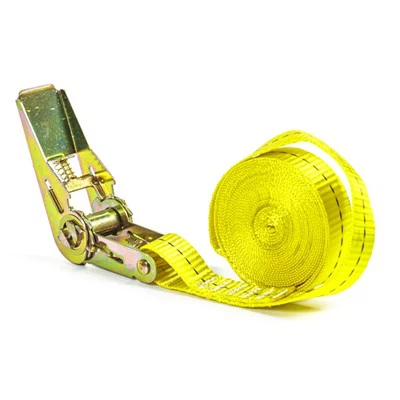
When it comes to marine applications, the use of ratchet straps is crucial for securing various items on boats, ships, and other marine vessels. As a supplier of marine ratchet straps, I often get asked the question: "Do marine ratchet straps have a weight limit for specific applications?" The answer is a resounding yes, and understanding these weight limits is essential for ensuring safety and efficiency in marine operations.
Understanding Weight Limits in Marine Ratchet Straps
Marine ratchet straps are designed to withstand a certain amount of force, which is typically measured in terms of working load limit (WLL) and break strength. The working load limit is the maximum weight that a strap can safely handle under normal operating conditions. It is usually a fraction of the break strength, which is the amount of force required to break the strap.
For example, a marine ratchet strap with a WLL of 1,000 pounds means that it can safely secure a load up to 1,000 pounds. However, it's important to note that the WLL is not a guarantee that the strap will hold up under all circumstances. Factors such as the angle of the strap, the type of load, and the quality of the installation can all affect the actual performance of the strap.
Specific Applications and Their Weight Limits
Different marine applications have different weight requirements, and it's crucial to choose the right ratchet strap for the job. Here are some common marine applications and their typical weight limits:
Securing Boats and Watercraft
When securing boats and watercraft to trailers or docks, you need ratchet straps that can handle the weight of the vessel. Small boats, such as kayaks and canoes, may require straps with a WLL of 500 to 1,000 pounds. Larger boats, like speedboats and sailboats, may need straps with a WLL of 2,000 to 5,000 pounds or more.
Tying Down Equipment on Decks
Marine decks are often used to store and transport various equipment, such as fishing gear, diving equipment, and life jackets. For these applications, ratchet straps with a WLL of 500 to 1,500 pounds are usually sufficient. However, if you're tying down heavier equipment, like generators or compressors, you may need straps with a higher WLL.
Cargo Securement on Ships
On larger ships, ratchet straps are used to secure cargo containers and other heavy loads. These applications typically require high-strength ratchet straps with a WLL of 5,000 pounds or more. In some cases, multiple straps may be used in combination to distribute the weight evenly and ensure the safety of the cargo.
Factors Affecting Weight Limits
As mentioned earlier, several factors can affect the actual weight limit of a marine ratchet strap. Here are some of the most important factors to consider:
Strap Material
The material of the ratchet strap plays a significant role in determining its strength and durability. Common materials used in marine ratchet straps include polyester, nylon, and polypropylene. Polyester is known for its high strength and resistance to UV rays and chemicals, making it a popular choice for marine applications. Nylon is also strong and flexible, but it may stretch more than polyester. Polypropylene is lightweight and resistant to moisture, but it has a lower strength compared to polyester and nylon.
Strap Width
The width of the ratchet strap also affects its weight limit. Generally, wider straps can handle more weight than narrower straps. For example, a 2-inch wide strap may have a WLL of 1,000 pounds, while a 3-inch wide strap may have a WLL of 2,000 pounds or more.
Hook Type
The type of hook used on the ratchet strap can also impact its performance. Heavy Duty Tie Down Hooks, such as Heavy Duty Tie Down Hooks, are designed to provide a secure connection between the strap and the load. Different hook types, such as J-hooks, S-hooks, and grab hooks, have different weight capacities and are suitable for different applications.
Installation Quality
Proper installation of the ratchet strap is essential for ensuring its safety and effectiveness. The strap should be installed correctly, with the hooks securely attached to the load and the ratchet tightened to the appropriate tension. If the strap is not installed correctly, it may not be able to handle the weight of the load, even if it has a high WLL.
Choosing the Right Marine Ratchet Strap
When choosing a marine ratchet strap, it's important to consider the specific application, weight requirements, and the factors mentioned above. Here are some tips to help you choose the right strap:
Determine the Weight of the Load
The first step is to determine the weight of the load that you need to secure. This will help you choose a strap with the appropriate WLL.
Consider the Application
Different applications have different requirements, so it's important to choose a strap that is suitable for the specific application. For example, if you're securing a boat to a trailer, you may need a strap with a different WLL and hook type than if you're tying down equipment on a deck.


Check the Strap Material and Width
As mentioned earlier, the material and width of the strap can affect its strength and durability. Choose a strap made from a high-quality material, such as polyester, and with a width that is appropriate for the weight of the load.
Look for Quality and Certification
Make sure to choose a ratchet strap that is made by a reputable manufacturer and meets industry standards. Look for straps that are certified by organizations such as the Department of Transportation (DOT) or the National Association of Chain Manufacturers (NACM).
Conclusion
In conclusion, marine ratchet straps do have weight limits for specific applications, and it's crucial to choose the right strap for the job. By understanding the factors that affect the weight limit of a strap and following the tips mentioned above, you can ensure the safety and efficiency of your marine operations.
If you're in the market for high-quality marine ratchet straps, Car Transporter Ratchet Straps and Ratchet Strap Tensioner are just some of the products we offer. Our team of experts can help you choose the right strap for your specific needs. Contact us today to discuss your requirements and start a procurement negotiation.
References
- "Marine Cargo Securement Guidelines." Federal Maritime Commission.
- "Ratchet Straps: A Guide to Choosing the Right One." Industrial Webbing Supply.
- "Working Load Limit vs. Break Strength: What's the Difference?" Crosby Group.