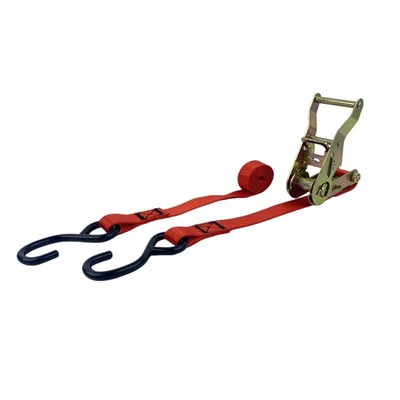
As a supplier of heavy ratchet straps, I often receive inquiries from customers about the chemical resistance of these essential tools. Chemical resistance is a crucial factor, especially for those who use ratchet straps in industrial, agricultural, or chemical - handling environments. In this blog, I'll delve into the topic of whether heavy ratchet straps are resistant to chemicals, exploring the materials used, the types of chemicals they might encounter, and how to ensure their long - term performance.
Materials Used in Heavy Ratchet Straps
Heavy ratchet straps are typically made from two main components: the webbing and the ratchet mechanism. The webbing is usually constructed from materials such as polyester, nylon, or polypropylene. Each material has its own unique properties when it comes to chemical resistance.
Polyester webbing is known for its high strength and excellent resistance to UV rays. It also has a relatively good chemical resistance profile. It can withstand exposure to many common chemicals, including mild acids, alkalis, and some solvents. However, it may be damaged by strong oxidizing agents such as concentrated sulfuric acid or nitric acid. Polyester's resistance to water and mildew also makes it a popular choice for outdoor and industrial applications.
Nylon webbing is another common material. It is extremely strong and has good abrasion resistance. Nylon has a fair amount of chemical resistance, but it is more susceptible to damage from acids compared to polyester. For example, contact with strong acids can cause the nylon fibers to break down over time. On the other hand, nylon has better resistance to some organic solvents than polyester.
Polypropylene webbing is lightweight and has a high resistance to moisture. It is resistant to many non - polar solvents and some weak acids and alkalis. However, it is less resistant to oxidizing agents and may degrade when exposed to high - strength chemicals.
The ratchet mechanism is usually made of metal, such as steel or aluminum. Steel ratchets are strong and durable but can rust when exposed to certain chemicals, especially those with high moisture content or acidic properties. Aluminum ratchets are lighter and more resistant to corrosion, but they may react with some strong alkalis.


Types of Chemicals and Their Effects
Heavy ratchet straps can encounter a wide range of chemicals in different working environments. Here are some common types of chemicals and how they may affect the straps:
Acids
Weak acids, like acetic acid (found in vinegar), usually have a minimal impact on polyester and polypropylene webbing. However, nylon webbing may show some signs of degradation over time. Strong acids, such as hydrochloric acid or sulfuric acid, can cause significant damage to all types of webbing materials. They can break down the polymer chains in the webbing, reducing its strength and integrity. The metal components of the ratchet mechanism can also corrode when exposed to acids, especially steel ratchets.
Alkalis
Mild alkalis, such as sodium bicarbonate solutions, generally do not harm polyester and polypropylene webbing. Nylon is more sensitive to alkalis, and prolonged exposure can lead to a decrease in its strength. Strong alkalis, like sodium hydroxide, can be extremely damaging to all types of webbing and may also corrode the metal ratchet components.
Solvents
Non - polar solvents, such as gasoline and mineral spirits, can have different effects on the webbing materials. Polypropylene has relatively good resistance to non - polar solvents, while polyester and nylon may absorb these solvents to some extent, which can cause swelling and a reduction in strength. Polar solvents, like alcohol, usually have a less severe impact on the webbing, but long - term exposure can still affect the material's properties.
Oxidizing Agents
Oxidizing agents, such as hydrogen peroxide and chlorine bleach, can be very harmful to all types of webbing materials. They can break down the polymer chains through oxidation reactions, leading to a significant loss of strength. The metal components of the ratchet mechanism can also be affected by oxidizing agents, resulting in corrosion and reduced functionality.
Ensuring Chemical Resistance
If you need heavy ratchet straps for use in a chemical - exposed environment, here are some steps you can take to ensure their chemical resistance:
Choose the Right Material
Based on the types of chemicals your straps will encounter, select the most appropriate webbing material. For acidic environments, polyester may be a better choice than nylon. If you expect exposure to non - polar solvents, polypropylene could be more suitable.
Coating and Treatment
Some heavy ratchet straps are available with special coatings or treatments to enhance their chemical resistance. For example, a polyurethane coating can provide an additional layer of protection against chemicals and abrasion. When choosing coated straps, make sure the coating is compatible with the chemicals in your working environment.
Regular Inspection
Regularly inspect your heavy ratchet straps for signs of chemical damage. Look for changes in the color, texture, or strength of the webbing. Check the ratchet mechanism for corrosion or any signs of malfunction. If you notice any damage, replace the strap immediately to avoid safety risks.
Proper Storage
Store your heavy ratchet straps in a clean, dry place away from chemicals. If possible, keep them in a sealed container to prevent exposure to air and moisture, which can accelerate chemical degradation.
Our Product Range
At our company, we offer a wide variety of heavy ratchet straps to meet different customer needs. Our Cargo Buckle Ratchet Straps are designed with high - quality webbing and durable ratchet mechanisms. They are suitable for a range of applications, including securing cargo on trucks and trailers.
Our Cargo Straps For Trailers are specifically engineered to withstand the rigors of trailer transportation. They are available in different lengths and load capacities, and we can help you choose the right straps based on your specific requirements.
We also provide Cargo Equipment Straps for industrial and commercial use. These straps are built to last and can be customized to meet your unique chemical - exposure needs.
Conclusion
In conclusion, the chemical resistance of heavy ratchet straps depends on the materials used and the types of chemicals they encounter. While some materials offer better resistance to certain chemicals than others, no single material is completely immune to all types of chemical damage. By choosing the right material, applying appropriate coatings or treatments, conducting regular inspections, and storing the straps properly, you can maximize their chemical resistance and ensure their long - term performance.
If you are in the market for high - quality heavy ratchet straps with excellent chemical resistance, we are here to help. Our team of experts can provide you with detailed information and guidance on selecting the best straps for your specific application. Contact us today to start a procurement discussion and find the perfect solution for your cargo - securing needs.
References
- "Materials Science for Engineers" by George E. Dieter
- "Handbook of Chemical Resistance" by Carl A. Pansini