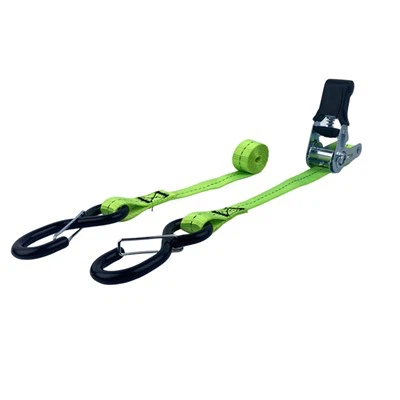
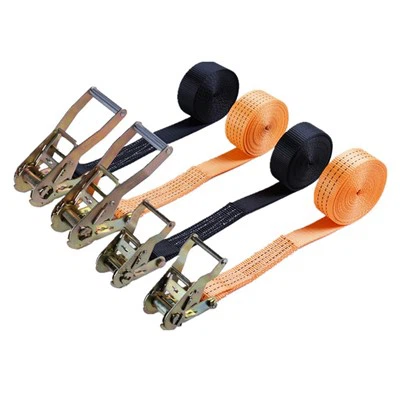
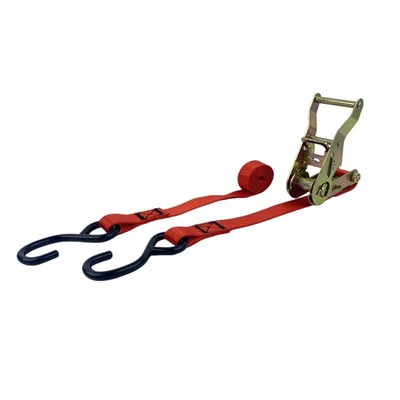
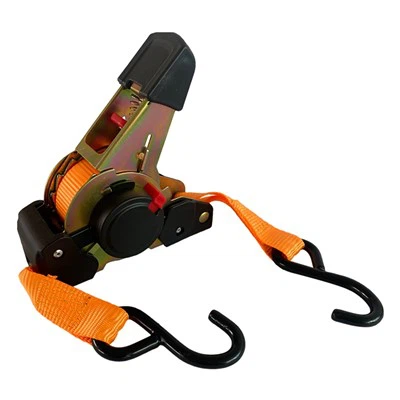
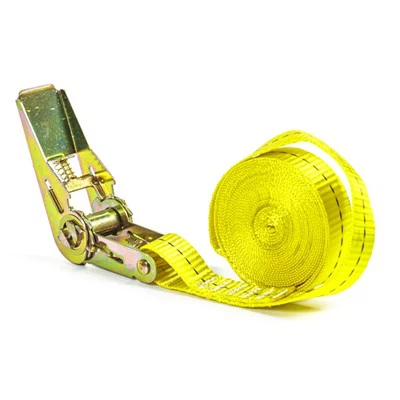
Hey there! As a supplier of Vehicle Ratchet Straps, I often get asked about how to measure the tension of these straps. It's a crucial aspect, especially when it comes to ensuring the safety and security of your cargo during transportation. In this blog, I'll share some practical ways to measure the tension of vehicle ratchet straps and why it matters.
Why Measuring Tension is Important
Before we dive into the measurement methods, let's understand why it's so important to measure the tension of vehicle ratchet straps. When you're transporting goods, whether it's in a box truck or on a flatbed trailer, the last thing you want is for your cargo to shift or come loose. Insufficient tension can lead to cargo movement, which can cause damage to the goods, the vehicle, and even pose a safety risk to other road users. On the other hand, over - tightening the straps can also be a problem. It might damage the cargo or the straps themselves, reducing their lifespan.
Tools for Measuring Tension
There are a few tools that you can use to measure the tension of vehicle ratchet straps. One of the most common tools is a tension meter. A tension meter is a device that can accurately measure the amount of force being applied to the strap. It's relatively easy to use. You simply attach the tension meter to the strap at the appropriate point, and it will give you a reading of the tension in pounds or kilograms.
Another option is a load cell. Load cells are more accurate than tension meters and are often used in industrial settings. They work by converting the force applied to the strap into an electrical signal, which can then be measured and displayed. However, load cells are usually more expensive than tension meters and might be overkill for small - scale or occasional use.
Step - by - Step Guide to Measuring Tension
Now, let's go through a step - by - step guide on how to measure the tension of your vehicle ratchet straps using a tension meter.

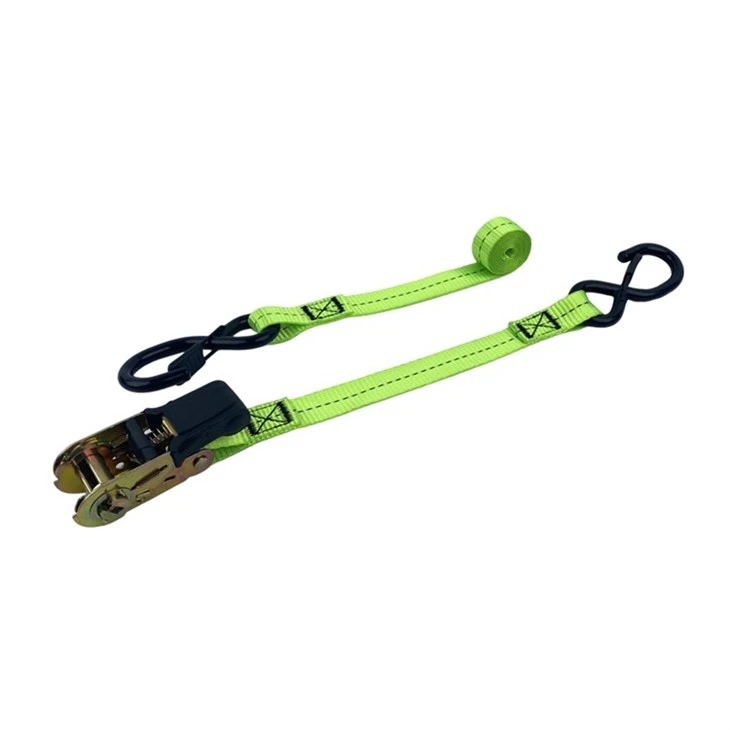
Step 1: Prepare Your Equipment
First, make sure you have a suitable tension meter. Check the manufacturer's instructions to ensure that it's compatible with the type and size of your ratchet straps. Also, gather any additional tools you might need, such as wrenches or pliers, to attach the tension meter to the strap.
Step 2: Position the Strap
Place the ratchet strap around the cargo as you normally would. Make sure it's properly routed and that there are no kinks or twists in the strap. This is important because kinks or twists can affect the accuracy of the tension measurement.
Step 3: Attach the Tension Meter
Carefully attach the tension meter to the strap. The exact method of attachment will depend on the type of tension meter you're using. Some tension meters clip onto the strap, while others might require you to thread the strap through a specific part of the device.
Step 4: Tighten the Strap
Once the tension meter is attached, start tightening the ratchet strap. As you tighten the strap, keep an eye on the tension meter reading. The goal is to reach the recommended tension for your specific cargo and strap combination. You can find the recommended tension in the strap's user manual or by consulting with the manufacturer.
Step 5: Check the Reading
Once you think you've reached the appropriate tension, stop tightening the strap and check the tension meter reading. If the reading is within the recommended range, then you're good to go. If it's too low, continue tightening the strap. If it's too high, release some of the tension by loosening the ratchet.
Different Types of Vehicle Ratchet Straps and Tension
It's important to note that different types of vehicle ratchet straps might require different levels of tension. For example, Box Truck Cargo Straps are often used to secure cargo inside a box truck. These straps usually don't need to be as tight as those used on an open - bed trailer, where the cargo is more exposed to wind and road vibrations.
5000kg Ratchet Straps are designed to handle heavy - duty loads. When using these straps, you'll need to apply a higher level of tension to ensure the safety of the cargo. However, you still need to be careful not to over - tighten them, as this can damage the straps or the cargo.
Ratchet Rope Straps are a bit different from traditional ratchet straps. They're made of rope, which is more flexible than the webbing used in regular ratchet straps. When measuring the tension of ratchet rope straps, you need to take into account the stretchiness of the rope. This means that you might need to apply a bit more tension than you would with a non - stretchy strap to achieve the same level of security.
Factors Affecting Tension
There are several factors that can affect the tension of vehicle ratchet straps. One of the main factors is the type of cargo. Heavy or irregularly shaped cargo might require more tension to keep it secure. The speed of the vehicle also plays a role. If you're driving at high speeds, you'll need to apply more tension to the straps to prevent the cargo from shifting.
The road conditions are another important factor. Bumpy roads or sharp turns can cause the cargo to move, so you'll need to make sure the straps are properly tensioned. Finally, the weather can also affect the tension. Extreme heat or cold can cause the straps to expand or contract, which can change the tension. It's a good idea to check the tension of the straps regularly, especially if you're driving in different weather conditions.
Maintaining the Right Tension
Once you've measured and set the right tension for your vehicle ratchet straps, it's important to maintain it. During transportation, the straps might loosen due to vibrations or movement of the cargo. You should check the tension of the straps at regular intervals, especially after long - distance drives or when you've made several stops.
If you notice that the tension has decreased, you can simply tighten the ratchet to bring the tension back up to the recommended level. On the other hand, if you find that the tension has increased, you might need to release some of the tension to prevent damage to the cargo or the straps.
Conclusion
Measuring the tension of vehicle ratchet straps is an essential part of ensuring the safety and security of your cargo. By using the right tools and following the proper procedures, you can make sure that your straps are properly tensioned. Whether you're using Box Truck Cargo Straps, 5000kg Ratchet Straps, or Ratchet Rope Straps, taking the time to measure and maintain the right tension will save you a lot of headaches in the long run.
If you're in the market for high - quality vehicle ratchet straps or have any questions about tension measurement, don't hesitate to reach out. We're here to help you find the best solutions for your cargo - securing needs. Let's start a conversation about your requirements and see how we can assist you in making your transportation safer and more efficient.
References
- "Cargo Securement Handbook" by the Federal Motor Carrier Safety Administration
- Manufacturer's manuals for vehicle ratchet straps and tension - measuring devices