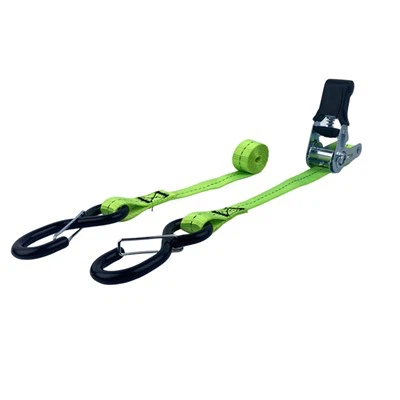
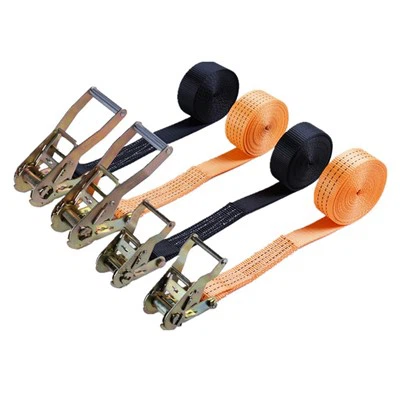
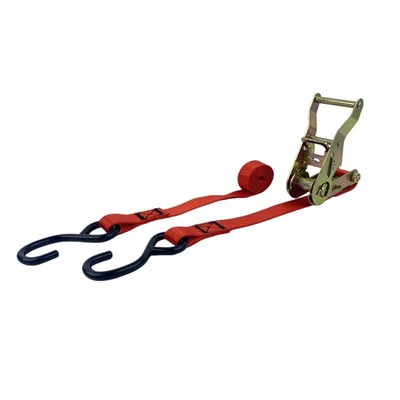
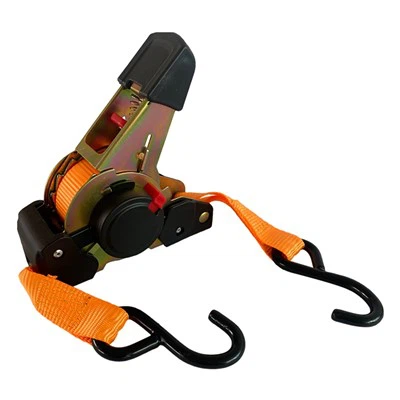
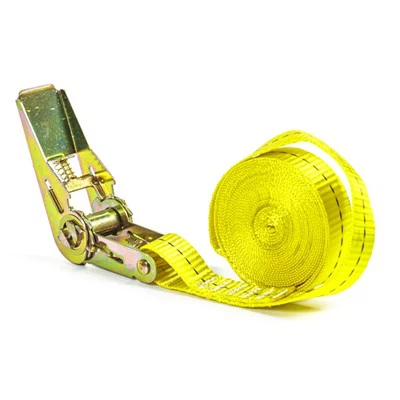
Hey there! As a supplier of Ratchet Strap Tensioners, I've seen my fair share of these handy tools go through their paces. Ratchet strap tensioners are super useful for securing loads in all sorts of situations, whether you're hauling stuff in a truck, on a trailer, or even for some DIY projects. But like any piece of equipment, they're bound to show signs of wear and tear over time. So, let's take a look at what those signs are and why it's important to keep an eye on them.

1. Visible Damage to the Strap
One of the most obvious signs of wear and tear on a ratchet strap tensioner is damage to the strap itself. You might notice fraying, cuts, or tears along the length of the strap. Fraying can happen when the strap rubs against rough surfaces, like the edges of a truck bed or the corners of a load. Cuts and tears can occur if the strap gets caught on sharp objects.
If you see any of these signs, it's a red flag. A damaged strap won't be able to hold the same amount of tension as a new one, and it could even break under stress. This is a serious safety risk, especially when you're transporting heavy loads. For example, if you're using Extra Long Ratchet Straps to secure a large piece of furniture in a moving truck, a frayed strap could give way and cause the furniture to shift during transit.
2. Rust on the Ratchet Mechanism
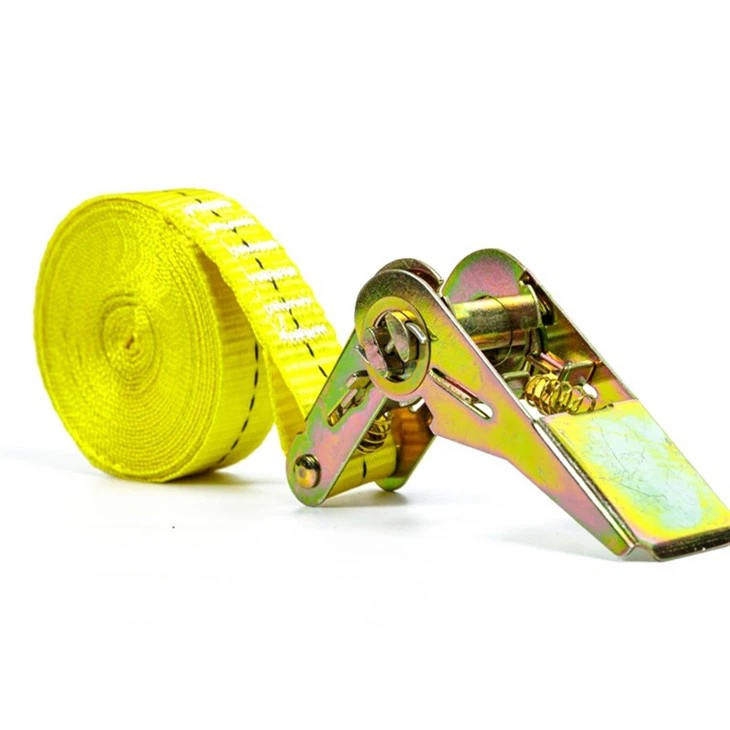
The ratchet mechanism is the heart of the ratchet strap tensioner. It's what allows you to tighten and loosen the strap. Over time, the metal parts of the ratchet can start to rust, especially if the tensioner is exposed to moisture or harsh weather conditions.
Rust can cause the ratchet to become stiff or even jam. This makes it difficult to operate the tensioner properly, and it can also affect the overall performance of the strap. If the ratchet doesn't work smoothly, you won't be able to apply the right amount of tension to the strap, which means your load might not be secured as tightly as it should be. You can usually spot rust by looking for orange or brown discoloration on the ratchet. If you notice rust, it's a good idea to clean and lubricate the ratchet as soon as possible. If the rust is severe, you might need to replace the ratchet mechanism.
3. Loose or Worn-out Pins and Rivets
The pins and rivets that hold the ratchet strap tensioner together are crucial for its proper functioning. Over time, these pins and rivets can become loose or worn out. You might notice that the tensioner feels wobbly or that the parts don't fit together as tightly as they used to.
A loose pin or rivet can cause the tensioner to malfunction. For example, if a pin comes out, the ratchet might not be able to hold the strap in place, and the load could come loose. To check for loose pins and rivets, give the tensioner a gentle shake and listen for any rattling sounds. If you find any loose parts, it's important to tighten or replace them right away.
4. Difficulty in Tightening or Loosening the Strap
Another sign of wear and tear is when you have trouble tightening or loosening the strap. This could be due to a number of factors, such as a dirty or damaged ratchet mechanism, a kinked strap, or a problem with the tensioner's handle.
If you're having trouble tightening the strap, it might not be able to hold the load securely. On the other hand, if you can't loosen the strap easily, it can be a real hassle when you need to unload your cargo. If you experience any difficulty in operating the tensioner, it's a good idea to inspect it carefully to find the cause of the problem.
5. Fading or Discoloration of the Strap
The color of the strap can also give you an indication of its condition. Over time, exposure to sunlight and other environmental factors can cause the strap to fade or change color. While this might not seem like a big deal at first, it can be a sign that the strap's strength and durability are starting to decline.
Fading or discoloration can be a sign of UV damage, which can weaken the fibers of the strap. This means that the strap might not be able to withstand as much tension as it used to. If you notice significant fading or discoloration, it's a good idea to replace the strap to ensure the safety of your load.
Why It's Important to Monitor Wear and Tear
Monitoring the wear and tear on your ratchet strap tensioners is crucial for several reasons. First and foremost, it's a matter of safety. A worn-out or damaged tensioner can fail to hold your load securely, which can lead to accidents on the road. This not only puts your cargo at risk but also the safety of other drivers.
Secondly, regular inspection and maintenance can extend the lifespan of your ratchet strap tensioners. By catching signs of wear and tear early, you can take steps to repair or replace the damaged parts before they cause a major problem. This can save you money in the long run by avoiding the need to buy new tensioners more frequently.
How to Maintain Your Ratchet Strap Tensioners
To keep your ratchet strap tensioners in good condition, there are a few simple maintenance steps you can take. First, make sure to clean the tensioners regularly. Use a mild soap and water to remove any dirt, grime, or debris from the strap and the ratchet mechanism. After cleaning, dry the tensioners thoroughly to prevent rust.
Second, lubricate the ratchet mechanism periodically. You can use a silicone-based lubricant to keep the ratchet working smoothly. Just apply a small amount of lubricant to the moving parts of the ratchet and work it in by operating the tensioner a few times.
Finally, store your ratchet strap tensioners properly when they're not in use. Keep them in a dry, cool place away from direct sunlight and moisture. This will help prevent damage and extend their lifespan.
Conclusion
As a supplier of Ratchet Straps and Tie Downs, I know how important it is to keep your ratchet strap tensioners in good condition. By being aware of the signs of wear and tear and taking steps to maintain them, you can ensure the safety of your loads and get the most out of your equipment.
If you're in the market for high-quality ratchet strap tensioners or need replacement parts, don't hesitate to reach out. We offer a wide range of products, including Heavy Duty Ratchet Tie Down Straps, to meet your needs. Whether you're a professional hauler or a DIY enthusiast, we've got you covered. Contact us today to discuss your requirements and start a procurement conversation.
References
- General knowledge about ratchet strap tensioners and their maintenance.
- Industry standards and best practices for load securing.