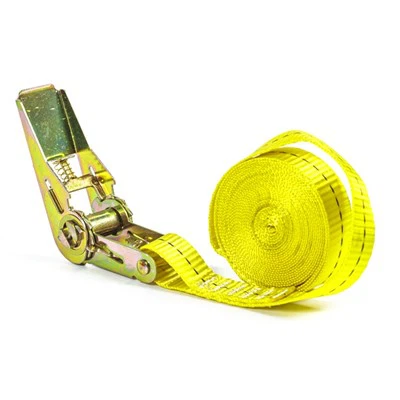
As a supplier of Straps and Tie Downs, I understand the importance of preventing chafing between these essential tools and the load they secure. Chafing can not only damage the load but also compromise the integrity of the straps and tie - downs themselves. In this blog, I'll share some effective strategies to prevent such chafing.
Understanding the Problem of Chafing
Chafing occurs when there is continuous friction between the straps or tie - downs and the load. This friction can be caused by various factors, such as the movement of the load during transportation, the surface texture of the load, and the tension applied to the straps. Over time, chafing can lead to wear and tear on both the load and the straps, reducing their lifespan and potentially causing safety hazards.
Choose the Right Straps and Tie - Downs
One of the first steps in preventing chafing is to select the appropriate straps and tie - downs for the specific load. Different loads require different types of straps. For example, if you are securing a heavy and rough - surfaced load, you might need a more durable and thick - webbed strap.
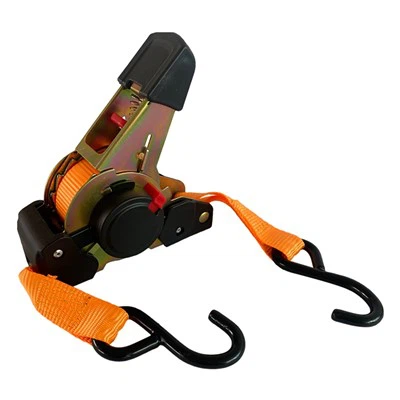
We offer a wide range of high - quality straps, including Auto Retractable Straps. These straps are designed with advanced materials that are resistant to abrasion, reducing the risk of chafing. They also have a smooth surface that minimizes friction against the load.
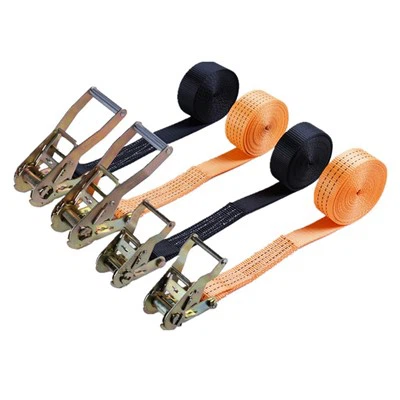
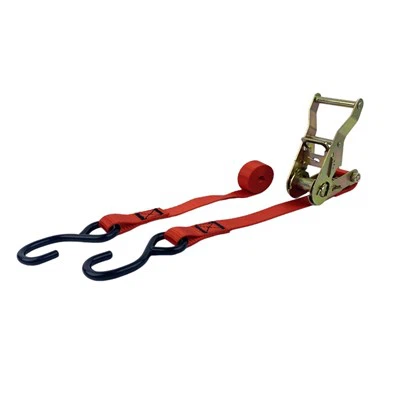
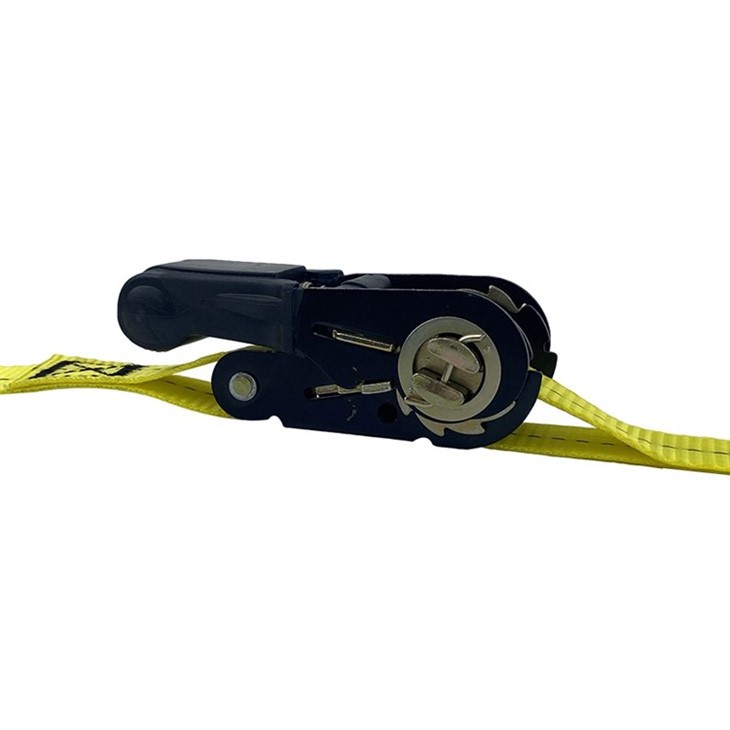
Another option is Trailer Ratchet Tie Downs. These tie - downs are specifically designed for use on trailers and are built to withstand the rigors of transportation. They come with features that help distribute the tension evenly, reducing the pressure points that can cause chafing.
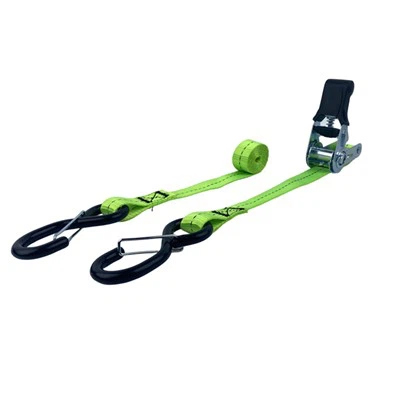
If you are dealing with a relatively lighter load, our 1000 Lb Ratchet Straps are a great choice. They are strong enough to hold the load securely while also being flexible enough to conform to the shape of the load, reducing the chances of chafing.
Use Protective Padding
In addition to choosing the right straps, using protective padding is an effective way to prevent chafing. Padding can act as a buffer between the straps and the load, reducing the direct contact and friction. There are various types of padding available, such as foam pads, rubber pads, and fabric sleeves.
Foam pads are lightweight and easy to use. They can be cut to the appropriate size and placed between the strap and the load. Rubber pads are more durable and can provide better protection against abrasion. Fabric sleeves are also a good option, especially for loads with irregular shapes. They can be wrapped around the load and the strap, providing a smooth surface for the strap to rest on.
Proper Installation and Tensioning
Proper installation and tensioning of the straps and tie - downs are crucial in preventing chafing. When installing the straps, make sure they are placed in the correct position on the load. Avoid placing the straps over sharp edges or corners, as these can cause excessive friction and chafing.
Tensioning the straps correctly is also important. Over - tightening the straps can increase the pressure on the load and the straps, leading to chafing. On the other hand, under - tightening the straps can cause the load to move during transportation, which can also result in chafing. Use a tensioning device, such as a ratchet, to ensure that the straps are tightened to the appropriate level.
Regular Inspection and Maintenance
Regular inspection and maintenance of the straps and tie - downs are essential to prevent chafing. Check the straps for any signs of wear and tear, such as fraying, cuts, or weakened areas. If you notice any damage, replace the straps immediately.
Clean the straps regularly to remove any dirt, debris, or chemicals that can cause abrasion. You can use a mild detergent and water to clean the straps, and then let them dry completely before using them again.
Consider the Load's Surface and Shape
The surface and shape of the load can also affect the risk of chafing. If the load has a rough or uneven surface, it is more likely to cause chafing. In such cases, you can use additional padding or choose a strap with a more flexible and conformable design.
For loads with irregular shapes, it is important to use straps that can be adjusted to fit the shape of the load. This will help distribute the tension evenly and reduce the pressure points that can cause chafing.
Training and Education
Proper training and education for those who use the straps and tie - downs are also important in preventing chafing. Make sure that the users understand how to choose the right straps, install them correctly, and tension them properly. Provide them with guidelines on how to inspect and maintain the straps to ensure their longevity and safety.
Conclusion
Preventing chafing between straps and tie - downs and the load is essential for ensuring the safety and integrity of both the load and the securing equipment. By choosing the right straps, using protective padding, installing and tensioning the straps correctly, conducting regular inspections and maintenance, considering the load's surface and shape, and providing proper training, you can significantly reduce the risk of chafing.
If you are interested in purchasing high - quality Straps and Tie Downs or have any questions about preventing chafing, please feel free to contact us for a procurement discussion. We are committed to providing you with the best products and solutions to meet your needs.

References
- "Best Practices for Securing Loads with Straps and Tie - Downs", Industry Standards Publication
- "Materials and Design of Straps for Chafing Resistance", Journal of Material Science in Transportation Equipment