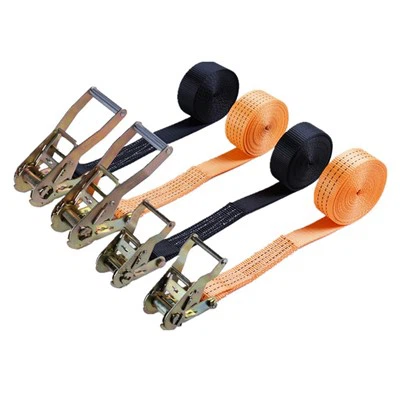
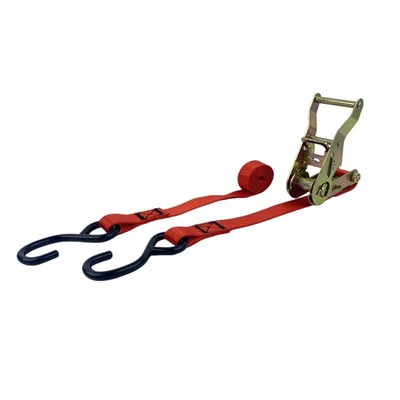
Hey there! As a supplier of Ratchet Rope Straps, I often get asked about how to ensure the even distribution of tension on these crucial straps. It's a key issue, especially when you're using them to secure heavy loads during transportation. Uneven tension can lead to all sorts of problems, like the load shifting, straps breaking, or even causing accidents on the road. So, let's dive into some practical ways to make sure your Ratchet Rope Straps are doing their job right.
Understanding the Basics of Ratchet Rope Straps
First off, it's important to know what Ratchet Rope Straps are and how they work. These straps are made up of a strong rope, usually nylon or polyester, and a ratchet mechanism. The ratchet is what allows you to tighten and loosen the strap easily. You feed the rope through the ratchet, then use the handle to turn the ratchet and increase the tension on the strap.
The main goal when using these straps is to keep your load in place. Whether you're securing a piece of machinery in a truck bed or tying down furniture in a moving van, the even distribution of tension is essential. If one part of the strap is under more stress than the others, it can cause the strap to fail prematurely.
Pre - Use Inspection
Before you even start using your Ratchet Rope Straps, you need to do a thorough inspection. Check the rope for any signs of wear and tear, like fraying, cuts, or weak spots. A damaged rope won't be able to hold up under tension, and it can also lead to uneven stress distribution.
Inspect the ratchet mechanism as well. Make sure the teeth are in good condition and that the handle moves smoothly. If the ratchet isn't working properly, you won't be able to tighten the strap evenly. Also, check the hooks at the end of the strap. They should be strong and free from cracks or bends. You can find a great selection of Heavy Duty Tie Down Hooks that are built to last.
Proper Loading and Positioning
The way you load and position your items is crucial for even tension distribution. Start by placing your load in the center of the area where you'll be using the straps. This helps to balance the weight and reduces the chances of one side of the strap taking on more stress.
If you're securing multiple items, make sure they're arranged in a stable way. You can group smaller items together and use a single strap to secure them. This way, the weight is evenly distributed across the strap. For larger or irregularly - shaped items, you might need to use multiple straps. In this case, it's important to position the straps so that they cover different parts of the load.


Using the Right Number of Straps
Using the right number of Ratchet Rope Straps is another important factor. If you use too few straps, the load won't be properly secured, and the remaining straps will have to bear more stress. On the other hand, using too many straps can also cause problems. It can be difficult to adjust the tension evenly on each strap, and it can also add unnecessary weight and cost.
As a general rule, you should use at least two straps for small to medium - sized loads. For larger or heavier loads, use three or more straps. This helps to distribute the weight evenly and ensures that the load is stable. If you're looking for heavy - duty options, check out our Heavy Ratchet Straps.
Tightening Techniques
When it comes to tightening the straps, there's a proper way to do it. Start by pulling the slack out of the strap. Make sure the rope is straight and not twisted. Then, use the ratchet handle to slowly increase the tension. It's important to do this in small increments. This way, you can monitor the tension and make adjustments as needed.
If you're using multiple straps, tighten them one by one. Start with one side of the load and work your way around. Check the tension on each strap regularly to make sure they're all about the same. You can use a tension meter to get a more accurate reading. Some advanced ratchet straps even come with built - in tension indicators.
Re - Checking and Adjusting
Once you've tightened all the straps, it's not the end of the process. You need to re - check the tension after a short distance of travel. This is because the load might shift a little, which can cause the tension in the straps to change. If you notice that one strap is looser or tighter than the others, make the necessary adjustments.
Keep in mind that the tension in the straps can also change due to factors like temperature and vibration. In hot weather, the rope might expand slightly, which can reduce the tension. In cold weather, the rope might contract, increasing the tension. So, it's a good idea to check the tension periodically throughout your journey.
Special Considerations for Different Applications
If you're using Ratchet Rope Straps in a box truck, there are some special considerations. Box trucks often have different tie - down points, and the load might be more confined. Make sure you're using the right type of straps, such as Box Truck Ratchet Straps. These straps are designed to fit the specific needs of box trucks.
When securing loads on flatbeds, you have more flexibility in terms of strap placement. However, you also need to be more careful about wind resistance and road vibrations. Use additional straps if necessary to ensure that the load stays in place.
Conclusion
Ensuring the even distribution of tension on Ratchet Rope Straps is all about attention to detail. By following these steps, from pre - use inspection to regular re - checking, you can make sure that your straps are working effectively and keeping your load safe.
If you're in the market for high - quality Ratchet Rope Straps, we're here to help. We offer a wide range of products to meet your needs. Whether you need heavy - duty straps for industrial use or lighter straps for personal moving, we've got you covered. Reach out to us to discuss your requirements and get a quote. We're always happy to help you find the best solution for your load - securing needs.
References
- General knowledge about Ratchet Rope Straps from industry experience
- Best practices in load - securing techniques from transportation safety guidelines