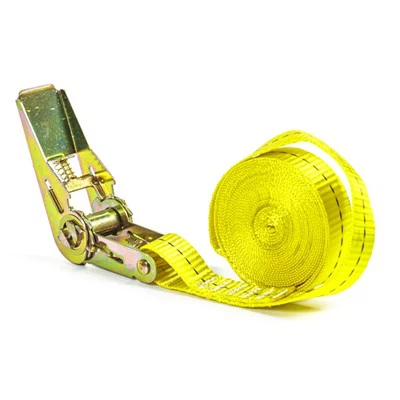
As a supplier of retractable tie down straps, I understand the critical importance of ensuring these straps are properly tightened. A well - tightened retractable tie down strap not only secures your cargo effectively but also enhances safety during transportation. In this blog, I'll share some key steps and considerations to make sure your retractable tie down strap is tightened correctly.
Understanding the Basics of Retractable Tie Down Straps
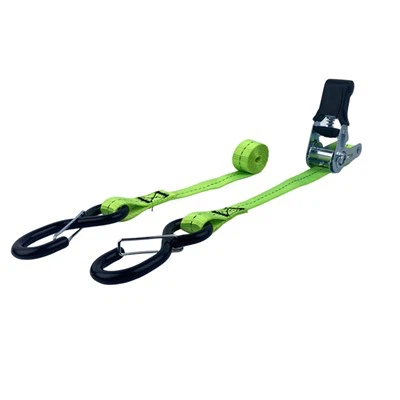
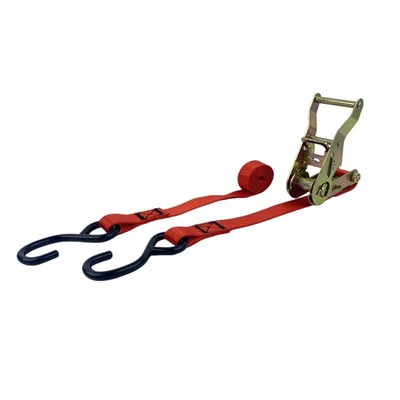
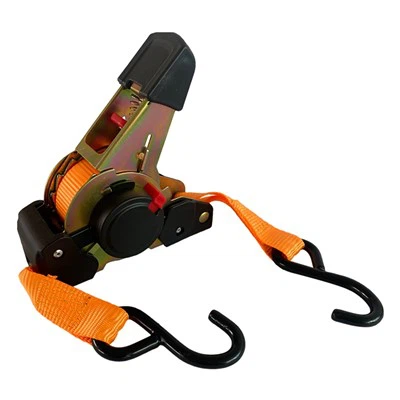
Before we delve into the tightening process, it's essential to understand the components of a retractable tie down strap. These straps typically consist of a strap made from high - strength materials such as polyester webbing, a retractable mechanism, and end fittings like hooks or buckles. The retractable mechanism allows the strap to be easily extended and retracted, providing flexibility in various applications.
Step 1: Select the Right Strap
The first step in ensuring proper tightening is to choose the right retractable tie down strap for your specific needs. Consider factors such as the weight and size of the cargo, the type of vehicle or surface where the strap will be used, and the environment. For example, if you're securing a boat, you might want to look into Marine Ratchet Straps. These straps are designed to withstand the harsh marine environment, including exposure to saltwater and UV rays.
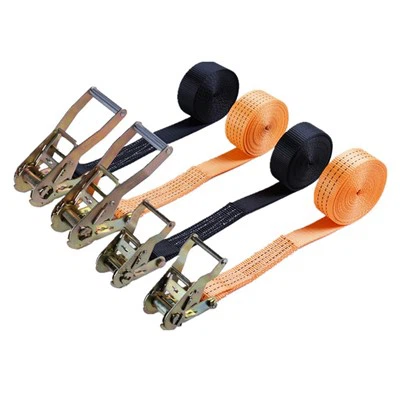
If you're dealing with heavy - duty cargo, High Quality Ratchet Strap or High Quality Ratchet Straps would be a better choice. They are engineered to handle large loads and provide reliable security.
Step 2: Inspect the Strap
Before using the retractable tie down strap, conduct a thorough inspection. Check for any signs of wear, such as frayed edges, cuts, or weakened areas on the webbing. Examine the retractable mechanism to ensure it operates smoothly and the end fittings are in good condition. If you notice any damage, do not use the strap as it may compromise the safety of your cargo. Replace the damaged strap immediately with a new one.
Step 3: Position the Strap Correctly
Proper positioning of the strap is crucial for effective tightening. Place the strap over the cargo in a way that distributes the load evenly. Avoid placing the strap at sharp edges or corners of the cargo, as this can cause the webbing to cut or fray. If necessary, use padding to protect the strap from sharp objects.
Make sure the end fittings are securely attached to the anchor points. The anchor points should be strong enough to withstand the tension applied by the strap. For example, on a truck bed, use the designated tie - down points. If you're using the strap in a different setting, ensure the anchor points are stable and can hold the load.
Step 4: Start Tightening
Once the strap is correctly positioned, start the tightening process. Most retractable tie down straps have a ratcheting mechanism. To begin, loosen the ratchet to allow the strap to be extended. Pass the strap through the ratchet and around the cargo and the anchor point. Then, engage the ratchet by pulling the handle down.
As you pull the handle, the strap will start to tighten. Pull the handle in a smooth and steady motion, applying consistent pressure. Avoid jerking the handle, as this can cause the strap to become unevenly tightened or damage the ratchet mechanism.
Step 5: Check for Tension
After a few pulls of the ratchet handle, check the tension of the strap. You can do this by trying to move the cargo slightly. If there is any significant movement, continue tightening the strap. The goal is to eliminate all slack in the strap and create a firm hold on the cargo.
It's important to note that over - tightening the strap can also be a problem. Excessive tension can damage the cargo, the strap itself, or the anchor points. You should aim for a tight fit that secures the cargo without causing unnecessary stress.


Step 6: Lock the Ratchet
Once you've achieved the desired tension, lock the ratchet in place. Most ratchets have a locking mechanism that prevents the strap from loosening. Make sure the locking mechanism is engaged properly by giving the handle a gentle tug to confirm it won't move.
Step 7: Double - Check the Setup
After locking the ratchet, double - check the entire setup. Look for any signs of misalignment, such as the strap being twisted or the end fittings not properly attached. Ensure that the cargo is still in place and there is no movement. Also, check the retractable mechanism to make sure it hasn't jammed during the tightening process.
Step 8: Periodic Inspections
During transportation, it's a good practice to conduct periodic inspections of the retractable tie down strap. Vibrations and movements during transit can cause the strap to loosen over time. Stop at regular intervals and check the tension of the strap. If you notice any loosening, retighten the strap as needed.
Conclusion
Properly tightening a retractable tie down strap is a multi - step process that requires attention to detail. By following these steps, you can ensure the safety and security of your cargo. Remember, choosing the right strap, inspecting it before use, positioning it correctly, and tightening it with the right amount of tension are all key factors in a successful tie - down operation.
If you're in the market for high - quality retractable tie down straps or have any questions about our products, we're here to help. Whether you need straps for light - duty or heavy - duty applications, we have a wide range of options to meet your requirements. Contact us to discuss your specific needs and start a procurement negotiation.
References
- Tie - Down Equipment Manufacturers Association (TEMA) guidelines on proper tie - down procedures.
- Industry standards for cargo securement and ratchet strap usage.