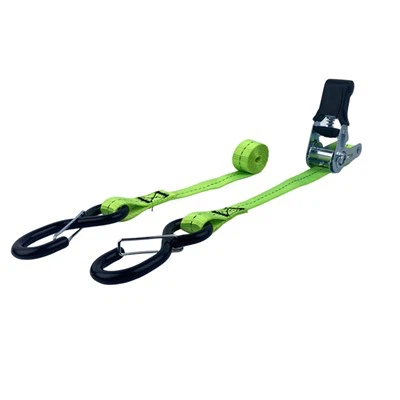
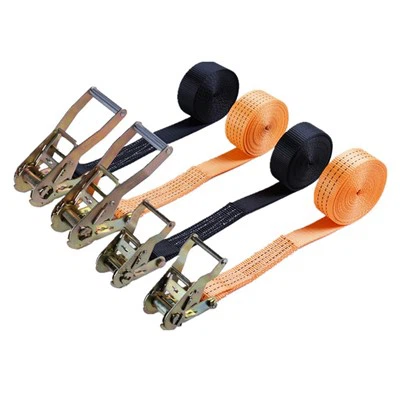
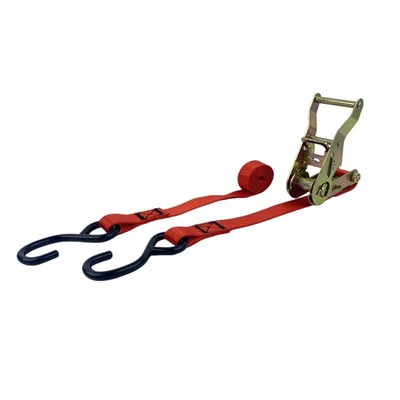
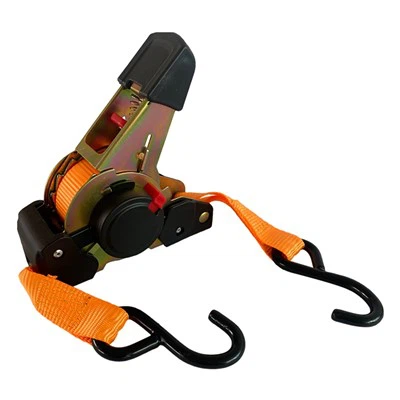
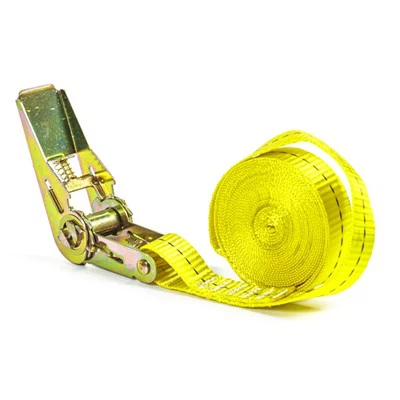
When it comes to transporting goods, ensuring the safety and security of your load is of utmost importance. Load tie down straps play a crucial role in this process, as they are designed to secure your cargo and prevent it from shifting or falling during transit. One of the most common questions we receive as a load tie down straps supplier is, "How much weight can load tie down straps hold?" In this blog post, we will explore this question in detail and provide you with the information you need to make an informed decision when choosing the right tie down straps for your needs.
Understanding Working Load Limit (WLL) and Breaking Strength
Before we dive into the weight capacity of load tie down straps, it's essential to understand two key terms: Working Load Limit (WLL) and Breaking Strength.
- Working Load Limit (WLL): This is the maximum amount of weight that a tie down strap is designed to safely hold under normal working conditions. It is typically a fraction (usually one-third) of the strap's breaking strength. The WLL takes into account factors such as the type of material, construction, and potential wear and tear during use.
- Breaking Strength: This is the minimum amount of force required to break the tie down strap. It represents the strap's ultimate strength but is not the recommended weight to use when securing a load. Using a strap at or near its breaking strength is extremely dangerous and can lead to catastrophic failure.
Factors Affecting the Weight Capacity of Load Tie Down Straps
The weight capacity of load tie down straps can vary significantly depending on several factors:
- Material: The type of material used to make the strap is a major determinant of its strength. Common materials include polyester, nylon, and polypropylene. Polyester is known for its high strength, low stretch, and resistance to UV rays and chemicals, making it a popular choice for heavy-duty applications. Nylon is also strong and has good shock absorption properties but is more prone to stretching. Polypropylene is lightweight and affordable but has a lower strength compared to polyester and nylon.
- Width and Thickness: Generally, wider and thicker straps can hold more weight. A wider strap distributes the load over a larger area, reducing the stress on the strap and increasing its overall strength. For example, a 2-inch wide strap will typically have a higher weight capacity than a 1-inch wide strap.
- Construction: The way the strap is constructed also affects its strength. Straps with reinforced edges, double stitching, or heat-treated components are generally stronger and more durable. Additionally, the type of buckle or ratchet used can impact the strap's performance. A high-quality ratchet with a strong locking mechanism will ensure that the strap stays tight and secure.
- Environmental Conditions: Extreme temperatures, moisture, and exposure to chemicals can all weaken the strap over time. For example, prolonged exposure to sunlight can cause the material to degrade, reducing its strength. It's important to choose straps that are suitable for the specific environmental conditions in which they will be used.
Weight Capacity of Different Types of Load Tie Down Straps
Now, let's take a look at the weight capacity of some common types of load tie down straps:

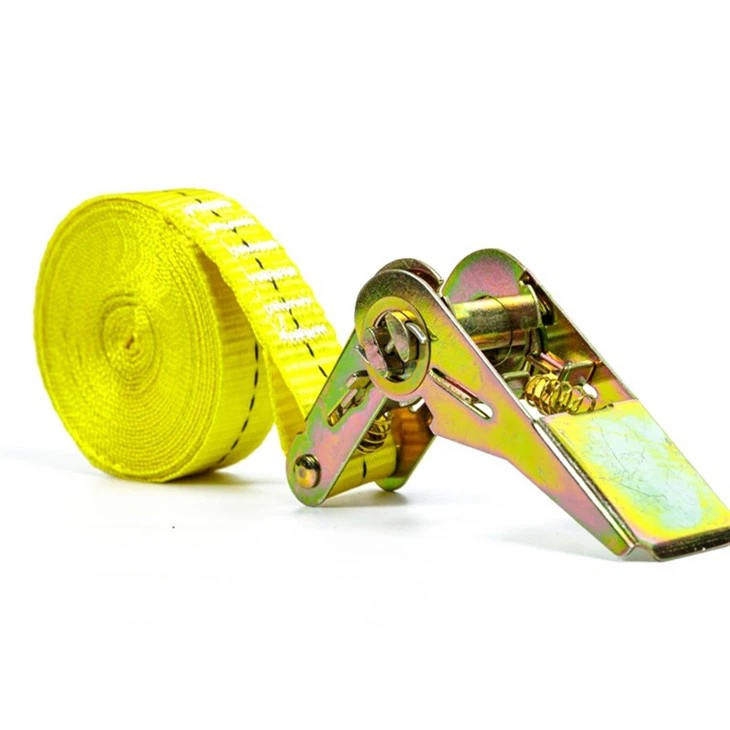
- Light-Duty Straps: These straps are typically made of polypropylene and are designed for lighter loads, such as securing small items or boxes. They usually have a WLL of up to 500 pounds and are commonly used for household or light commercial applications.
- Medium-Duty Straps: Made of nylon or polyester, medium-duty straps are suitable for a wide range of applications, including securing furniture, appliances, and small vehicles. They typically have a WLL of between 500 and 2,000 pounds.
- Heavy-Duty Straps: These straps are designed for the most demanding applications, such as securing large machinery, construction equipment, and heavy vehicles. Made of high-strength polyester, heavy-duty straps can have a WLL of up to 10,000 pounds or more. For heavy-duty applications, we recommend our Heavy Duty Ratchet Tie Down Straps, which are built to withstand the toughest conditions.
Specialized Load Tie Down Straps
In addition to the standard types of load tie down straps, there are also specialized straps designed for specific applications:
- Car Transporter Straps: These straps are specifically designed for securing cars and other vehicles during transportation. They typically have a high WLL and are equipped with features such as protective sleeves to prevent damage to the vehicle's finish. Our Car Transporter Ratchet Straps are a popular choice among car transporters, offering reliable and secure load restraint.
- Extra Long Straps: When you need to secure large or irregularly shaped loads, extra long straps can be a valuable solution. These straps are available in lengths of up to 50 feet or more, allowing you to reach around and secure your load effectively. Check out our Extra Long Ratchet Straps for long-distance or oversized load applications.
Calculating the Number of Straps Needed
To ensure the safe and secure transportation of your load, it's important to use the right number of tie down straps. The number of straps required depends on the weight and size of the load, as well as the type of vehicle or trailer being used. As a general rule of thumb, you should use at least one strap for every 10 feet of load length and one strap for every 5 feet of load width. Additionally, make sure that the total WLL of all the straps used is greater than the weight of the load.
Importance of Proper Installation and Maintenance
Even the strongest load tie down straps will not perform effectively if they are not installed and maintained properly. Here are some tips to ensure the safe and proper use of your tie down straps:
- Inspect the Straps Regularly: Before each use, carefully inspect the straps for any signs of damage, such as cuts, fraying, or worn-out buckles. If you notice any damage, replace the strap immediately.
- Use the Right Buckles and Hooks: Make sure that the buckles and hooks you use are compatible with the straps and are in good working condition. Use the appropriate type of hook for the application, such as J-hooks, S-hooks, or flat hooks.
- Tighten the Straps Properly: Use a ratchet or other tightening device to secure the straps tightly around the load. Make sure that the straps are evenly tensioned and that there is no slack.
- Secure the Load Correctly: Place the straps in the appropriate locations on the load to ensure that it is evenly distributed and secured. Use additional straps or padding if necessary to prevent the load from shifting or rubbing against the straps.
- Store the Straps Properly: When not in use, store the straps in a cool, dry place away from direct sunlight and chemicals. Avoid folding or creasing the straps, as this can weaken the material.
Conclusion
In conclusion, the weight capacity of load tie down straps depends on several factors, including the material, width, thickness, construction, and environmental conditions. By understanding these factors and choosing the right straps for your needs, you can ensure the safe and secure transportation of your load. At our company, we offer a wide range of high-quality load tie down straps to meet the needs of various industries and applications. Whether you need light-duty straps for household use or heavy-duty straps for industrial applications, we have the right solution for you.
If you have any questions or need assistance in choosing the right load tie down straps for your specific requirements, please don't hesitate to contact us. Our team of experts is here to help you make an informed decision and ensure the safety of your cargo. We look forward to the opportunity to work with you and provide you with the best load tie down solutions.
References
- "Tie Down Straps: A Guide to Safe and Secure Load Restraint." Federal Motor Carrier Safety Administration.
- "Load Securement Handbook." American Trucking Associations.
- "The Basics of Load Tie Down Straps." Industrial Webbing Products.