Ratchet straps and tie downs are essential tools for securing cargo on a flatbed truck. As a supplier of high-quality Ratchet Straps and Tie Downs, I've witnessed firsthand the importance of proper usage to ensure safety and efficiency during transportation. In this blog, I'll share detailed insights on how to use these tools effectively on a flatbed truck.
Understanding Ratchet Straps and Tie Downs
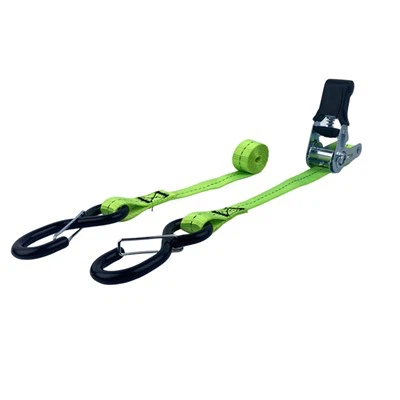
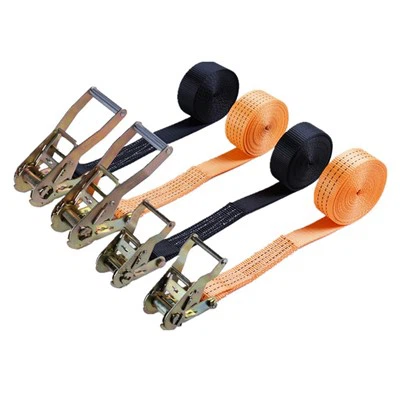
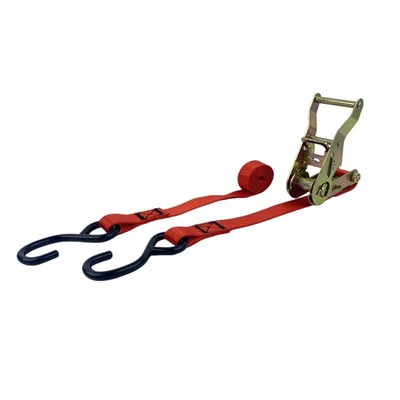
Before delving into the usage, it's crucial to understand what ratchet straps and tie downs are. Ratchet straps consist of a polyester webbing, a ratchet mechanism, and hooks at both ends. The ratchet allows you to tighten the strap securely around the cargo. Tie downs, on the other hand, are a broader term that includes various types of straps and fasteners used to secure loads.


Preparing for Cargo Securement
- Inspect the Equipment: Before each use, carefully examine your ratchet straps and tie downs. Look for any signs of wear, such as frayed webbing, damaged hooks, or malfunctioning ratchet mechanisms. Using damaged equipment can lead to cargo shifting or even detachment during transit, posing a significant safety risk.
- Select the Right Straps: The choice of ratchet straps and tie downs depends on the size, weight, and shape of the cargo. For heavier loads, Heavy Duty Ratchet Straps with Hooks are recommended. These straps are designed to withstand higher tension and provide reliable securement.
- Position the Cargo: Properly position the cargo on the flatbed truck. Ensure that it is centered and balanced to prevent uneven stress on the straps. If the cargo is irregularly shaped, use additional padding or blocking to create a stable surface for the straps.
Using Ratchet Straps
- Attach the Hooks: Start by attaching the hooks of the ratchet strap to the appropriate anchor points on the flatbed truck. These anchor points are typically located along the sides or corners of the truck bed. Make sure the hooks are securely fastened and cannot come loose during transit.
- Thread the Webbing: Feed the webbing through the ratchet mechanism. Pull the webbing until there is some slack, but not too much that it becomes difficult to tighten.
- Tighten the Strap: To tighten the ratchet strap, operate the ratchet handle. Each click of the handle will gradually increase the tension on the strap. Continue tightening until the cargo is firmly secured and does not move. Be careful not to over - tighten, as this can damage the cargo or the strap itself.
- Release the Strap: When it's time to unload the cargo, release the tension on the ratchet strap. Locate the release lever on the ratchet mechanism and pull it to disengage the ratchet. This will allow you to loosen the strap and remove it from the cargo.
Using Tie Downs
- Types of Tie Downs: There are different types of tie downs, such as cam buckle straps and chain tie downs. Cam buckle straps are easy to use and are suitable for lighter loads. Chain tie downs, on the other hand, are more heavy - duty and are often used for securing large or heavy equipment.
- Installation: Similar to ratchet straps, attach the tie downs to the anchor points on the flatbed truck. For cam buckle straps, thread the webbing through the cam buckle and pull it tight. For chain tie downs, use the appropriate hooks or connectors to secure the chain to the cargo and the truck.
- Adjustment: Make sure the tie downs are adjusted to the correct length. They should be tight enough to hold the cargo in place but not so tight that they cause damage. Check the tension regularly during transit to ensure that the cargo remains secure.
Additional Tips for Cargo Securement
- Use Multiple Straps: For larger or heavier loads, use multiple ratchet straps and tie downs. This distributes the weight evenly and provides additional security. A good rule of thumb is to use at least two straps for small loads and four or more for larger ones.
- Cross the Straps: When using multiple straps, cross them over the cargo. This helps to prevent the cargo from shifting side - to - side or front - to - back.
- Check the Straps During Transit: Make periodic stops during the journey to check the tightness of the ratchet straps and tie downs. Vibrations and movement during transit can cause the straps to loosen over time. If you notice any signs of loosening, retighten the straps immediately.
Special Considerations for Different Types of Cargo
- Lumber and Building Materials: When securing lumber or building materials, use Truck Ratchet Tie Down Straps to hold the bundles together. Place the straps at regular intervals along the length of the load to prevent individual pieces from falling off.
- Machinery and Equipment: For machinery and equipment, use heavy - duty ratchet straps and tie downs. Secure the equipment to the truck bed using multiple anchor points to prevent it from tipping or moving during transit.
- Vehicles: When transporting vehicles on a flatbed truck, use specialized vehicle tie - down straps. These straps are designed to fit around the wheels or frame of the vehicle and provide a secure hold.
The Role of Retractable Tie Down Straps
Retractable Tie Down Straps are a convenient option for securing cargo. They are easy to use and can be quickly adjusted to the desired length. These straps are ideal for smaller loads or for situations where you need to make frequent adjustments. The retractable mechanism allows the strap to be neatly stored when not in use, reducing the risk of entanglement.
Conclusion
Properly using ratchet straps and tie downs on a flatbed truck is crucial for ensuring the safety of the cargo, the driver, and other road users. By following the steps outlined in this blog, you can effectively secure your cargo and minimize the risk of accidents during transit. As a supplier of Ratchet Straps and Tie Downs, we are committed to providing high - quality products that meet the needs of our customers. If you have any questions about our products or need assistance with cargo securement, please don't hesitate to contact us for a procurement discussion. We look forward to working with you to ensure your transportation needs are met safely and efficiently.
References
- "Cargo Securement Handbook" by the Federal Motor Carrier Safety Administration
- "Best Practices for Securing Cargo on Flatbed Trailers" - Industry research report