

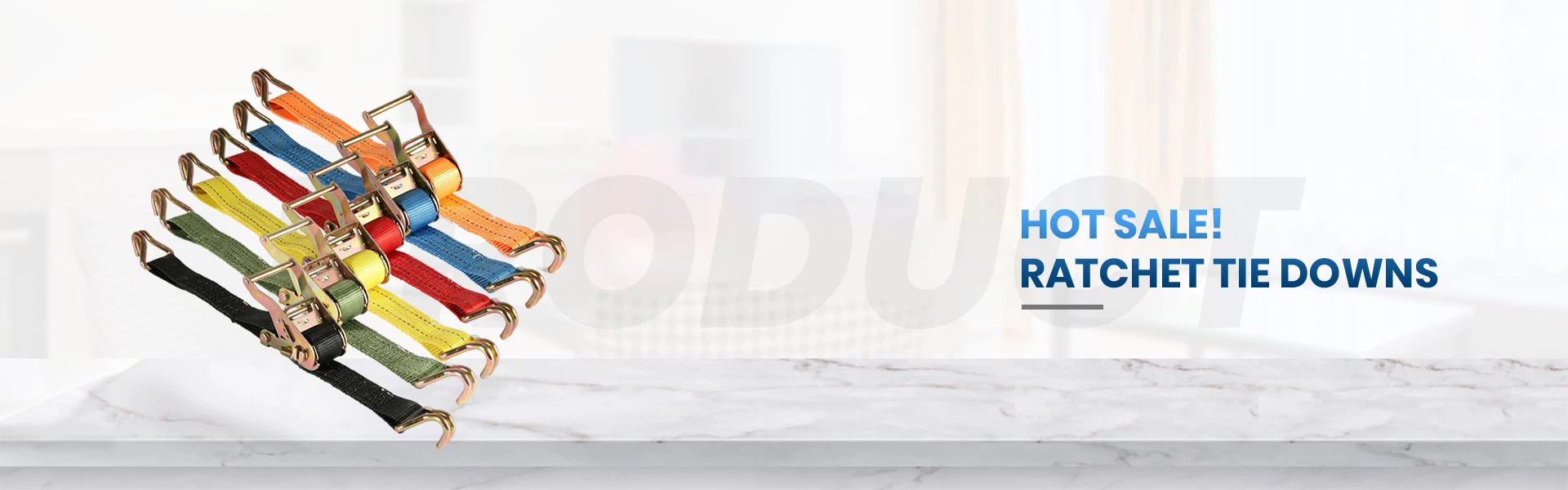


Truck Ratchet Tie Down Straps
What is Truck Ratchet Tie Down Straps
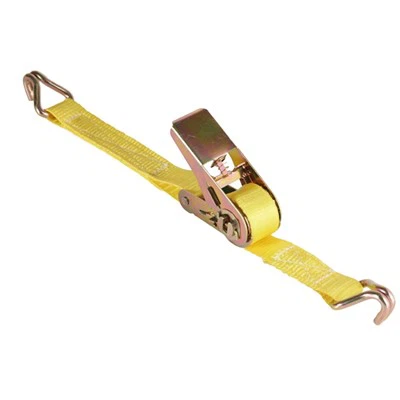
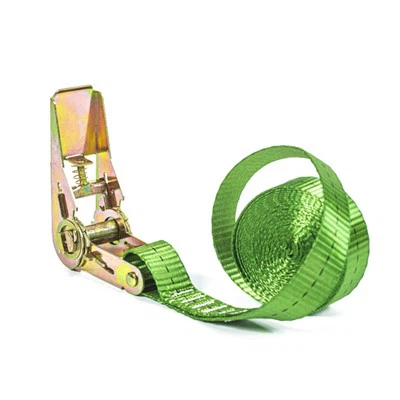
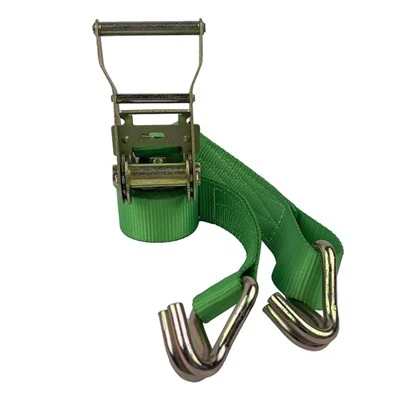
Truck ratchet tie down straps, also called tie-down straps, are highly helpful when transporting cargo in a vehicle. The ratchets allow you to make sure the ratchet straps are taut and the items are tied down securely to a roof rack, truck bed or elsewhere.
Benefits of Truck Ratchet Tie Down Straps
Enhanced Load Stability:One of the standout advantages of using ratchet tie-down straps is their unmatched ability to enhance load stability during transit. Unlike traditional securing methods like ropes or bungee cords, ratchet straps provide superior tension and grip.
Time Efficiency in Load Securing:Efficiency is crucial in logistics. Ratchet tie-down straps are valuable for securing heavy loads quickly. Compared to traditional methods, ratchet straps save time and effort. The fast and easy application reduces the overall time spent on load securing. This efficiency boosts productivity and helps meet tight delivery schedules effortlessly.
Versatility to Various Loads:The versatility of ratchet tie-down straps makes them a go-to solution for various types of loads. These straps are designed to accommodate a wide range of load shapes and sizes. Whether you're transporting furniture, equipment, or other heavy items, ratchet tie-down straps can securely hold them in place. They can be adjusted in length and are adaptable to different load shapes, ensuring a snug fit for any cargo. With ratchet tie-down straps, transporters can have peace of mind when dealing with diverse loads.
Durability and Longevitys:Investing in high-quality equipment is always a wise choice, and ratchet tie-down straps are no exception. These straps are crafted from durable materials and designed with robust stitching, making them exceptionally durable and long-lasting. They are resistant to wear, tear, and various weather conditions. By choosing ratchet tie-down straps, not only do you save costs in the long run, but you also contribute to reducing environmental impact by minimizing the need for disposable securing materials.


why choose us
Professional Team
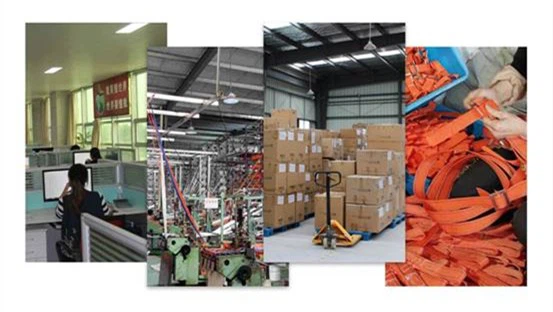
We are an original manufacturer with more than 10 years experience,we are very professional.
Custom Service
We support sample service, you can order samples to test the quality of our products before deciding whether to cooperate with us.
Online Service
We can provide customized services according to your specific needs, you can contact us at any time.
Our products
The price of our products is very competitive in the market, because we produce the research and development products by ourselves, we are the original manufacturer.
7 Amazing Uses of Truck Ratchet Tie Down Straps in Woodworking
Precision clamping for woodworking projects:Picture this – you're meticulously assembling a wooden masterpiece, and the pieces need to align flawlessly. Retractable tie-downs can help you with this. Acting as the extra set of hands you wish you had, these straps provide uniform pressure, holding components together until the glue sets, resulting in seamless joints and precise craftsmanship.
Securing lumber bundles for transportation
Whether you're a woodworking hobbyist or a professional, transporting lumber safely is a priority. Truck ratchet tie down straps offer a secure and adjustable solution for bundling lumber, preventing shifting during transit. This safeguards your materials and ensures you arrive at your destination with everything intact, ready for your next project.
Streamlining panel gluing with even pressure
Creating large wooden panels often involves gluing multiple boards together. Achieving an even distribution of pressure during this process is critical. Truck ratchet tie down straps, with their adjustable tension, make panel gluing a breeze. Simply secure the straps across the panels, and voila! Your glued masterpiece will be flawless, with no uneven surfaces.
Vertical clamping: From cabinets to bookshelves
Traditional clamps may struggle with vertical applications, but retractable tie-downs excel in this area. Whether you're crafting cabinets, bookshelves, or other vertical structures, these straps provide a secure grip, maintaining alignment throughout the assembly process. Bid farewell to the frustration of items slipping out of place during construction.
Creating custom workbenches with ease
Crafting a personalized workbench tailored to your specific needs is a dream for any woodworking enthusiast. Truck ratchet tie down straps simplify this task by securely holding components together while you drill, glue, and assemble. The result? A sturdy, customized workbench that enhances your woodworking experience.
Transporting bulky woodworking machinery
With its heavy and cumbersome nature, woodworking machinery often poses challenges during setup and transportation. Truck ratchet tie down straps are the ultimate solution in this scenario. Secure your equipment with these cargo-securing tools to ensure stability, preventing any unwanted movements that could lead to accidents or damage.
Quick and efficient on-the-fly adjustments
Woodworking is an art that often requires on-the-fly adjustments. Truck ratchet tie down straps provide a quick and efficient means of adapting to changes in your project. Need to tweak the alignment slightly? No problem. These tie-downs offer the flexibility to make swift adjustments without compromising the integrity of your work.
What You Should Know About Truck Ratchet Tie Down Straps
|
Ratchet straps |
Auto retractable truck ratchet tie down straps |
|
|
Thread the strap before use |
Yes |
No |
|
Tighten the strap |
Pull up and down with the lever |
Pull up and down with the lever |
|
Tie off the strap after tightening |
Yes |
No |
|
Release the strap |
Grab the webbing and start pulling |
Auto retract |
|
Store the strap manually |
Yes |
No |
|
Time spent from setup to store |
5-10 minutes |
Less than 1 minute |
6 Steps To Tie Down A Dirt Bike With Auto Retractable Truck Ratchet Tie Down Straps
Wrap the soft loops
Rather than locking a hook directly onto the handlebar, we recommend looping the soft straps around the handlebar and then hooking the strap onto itself. Simply wrap the soft loop around the handlebar, pass one end through the opposite side, and tighten it. Repeat the process for the other side of the handlebar.
Hook the straps on the truck bed
Hook one strap to the end of the truck bed and the other to the opposite corner at the front of the truck bed.
Pull the strap
Open the handle and pull the truck ratchet tie down straps out for tying down the dirt bike later, and close the handle.
Load the bike
Park the bike diagonally with the front wheel at the front left corner and the rear wheel at the back right corner. Make sure both wheels are leaning against the truck bed to prevent the bike from moving back and forth.
Hook and tighten the straps on the soft loops
Hook the truck ratchet tie down straps on the soft loops. Pull up and down with the ratchet handle until it feels tight, and push the handle down to the lock position. You could try flicking the strap and enjoy the resilience!
Release
Start by unhooking the straps from the soft loops. What you want to do next is to open the ratchet handle, give the strap a gentle pull outward, and the strap will automatically retract.
How Truckers Should Maximize Their Truck Ratchet Tie Down Straps
Avoid loose hanging straps
The full length of your ratchet strap is not always used because not all loads are tall enough to require the entire strap length. Now you've got this tail hanging off. What do you do with it? What you don't want to do, under any circumstances, is to just allow that "tail" to hang loose. Not only does it shorten the length of the material used to make the strap, it can damage your cargo if left flapping in the wind. There are lots of tricks of the trade when it comes to handling the excess ratchet strap. Here are a few of them:
● Use a technique of looping the strap and secure it with the excess.
● A series of knots can be tied with any remaining strap being tucked under the tarp or under the tense part of the strap.
● Use a bungee cord to secure the rolled-up excess.
Provide ratchet extension space
There is a tension pin used on a truck ratchet tie down straps that, under load, keeps the strap in place. To release the tension, the ratchet strap must be extended past the gear teeth. With that in mind, when tying down a load, enough space must be left beneath the ratchet. To fully extend the ratchet to release, you must be able to reach underneath it.
Threading from underneath
Rather than over the top, always run the strap from underneath when threading ratchets with new strap material. If threaded incorrectly, the chance of slippage increases.
Ratchets need regular lubrication
Though the straps themselves may not be subject to the weather, ratchets are affected by rain, salt, snow, etc. Use lithium grease to regularly lubricate them and keep them in good working order. Under extreme temperatures, it holds up very nicely. Make sure that you grease every moving part.
Inspect your straps
Always, above all else and on a regular basis, thoroughly inspect each and every one of your truck ratchet tie down straps. No matter how reliable and tough they seem, just like everything else, they are subject to wear and tear. Address immediately any signs of excessive wear. Remember that roadside inspectors will be more than happy to check those straps – so it's best you beat them to the punch.
Wrap webbing around the ratchet
With webbing removed from the handle, we recommend wrapping it entirely around the ratchet and securing it with a rubber band. This protects the ratchet from road vibration while also keeping everything in your toolbox neat and tidy.
Don't store wet straps
Mold and mildew are never a truck driver's friends. They are especially damaging to truck ratchet tie down straps inasmuch as mold and mildew can weaken fibers over time. Therefore, treat your ratchet straps the same way you treat your tarps in terms of moisture. Never store a wet strap except in an emergency situation. Instead, let it thoroughly dry before putting it away. If you do end up with mold on a strap, do not use a chlorine-based product to clean it. Use a product that is friendly to the webbing material the strap is made of.
Remove webbing from handles
When taking truck ratchet tie down straps out of use, be sure to remove the webbing from the handles. This prevents the webbing from getting too tightly wrapped around the spindle or catching on the teeth of the ratchet. You'll find that your ratchet straps last a lot longer just by following this one simple tip.
Lubricate the ratchets
Finally, be sure to lubricate your ratchets with a dry silicone spray or industrial lubricating oil. We recommend against solvents like WD-40, as their lubricating properties are rather short-lived. Whatever your lubricant of choice, use it carefully and sparingly. Do your best to avoid allowing lubricant to come in contact with strap webbing.
As always, thoroughly inspect truck ratchet tie down straps as you are tying down your load. If you ever question the integrity of a strap or ratchet, don't use it. You are better off being safe than sorry. Remember that it only takes one failure to create big problems. Those are problems you do not need.
Keep straps out of the sun
The sun's ultraviolet rays break down both nylon and polyester fibers. This is what causes ratchet straps to discolor and become brittle. It is best to keep straps out of the sun when they are not in use. For our money, the best way to go is to either store your ratchet straps in an exterior toolbox or somewhere in the back of your cab.
Note that the sun will eventually damage webbing material to a point of reducing its strength. Keep an eye on discoloration as the first signal. When a strap looks unusually pale, be extra vigilant in your visual inspections. Webbing material that has lost almost all its color is probably on its way out.
Taizhou Senkang protective equipment factory.One of the Professional Manufactures in the field of Cargo Lashing and Side curtain Buckles Industry.We focus on the Medium and High Quality market, with more than 10 years experience we have been successfully provided the Variety of Cargo lashings, including Ratchet Tie Down, Ratchet Buckle and Hooks to most European and the United States Clients.
Our Certificate
ISO9001,CE

Asked Questions
Q: What are truck ratchet tie-down straps?
Q: What are the main uses of truck ratchet tie-down straps?
Q: How do I choose the right size of truck ratchet tie-down strap?
Q: What are the safety precautions I should take when using truck ratchet tie-down straps?
Q: How often should I replace my truck ratchet tie-down straps?
Q: What are the rules for tie-down straps?
Q: How many ratchet straps do I need for moving truck?
Q: How long ratchet strap do I need?
Q: How strong should tie-down straps be?
Q: What regulations require that there should be at least one tie down?
Q: When should tie-down straps be replaced?
Q: How many tie downs are required?
Q: How many tie-down straps do I need?
Q: What is the limit on ratchet straps?
Q: What is the weight limit for a ratchet strap?
Q: What should you not do with a ratchet strap?
Q: What is working load limit on ratchet straps?
What Does Working Load Limit Mean? Many people ask about the working load limit, and this is a term to not mix up with breaking strength. Abbreviated as WLL, it is the rating that should never be exceeded when using a product like a ratchet strap.
Q: Should you twist ratchet straps?
Q: What is stronger than a ratchet strap?
Q: Are ratchet straps DOT approved?
Hot Tags: truck ratchet tie down straps, China truck ratchet tie down straps manufacturers, suppliers, factory, adjustable tie downs, construction tie downs, garage tie downs, collapsible tie downs, o ring tie downs, dirt resistant tie downs
Previous
Best Utv Tie Down StrapsYou Might Also Like



Send Inquiry