

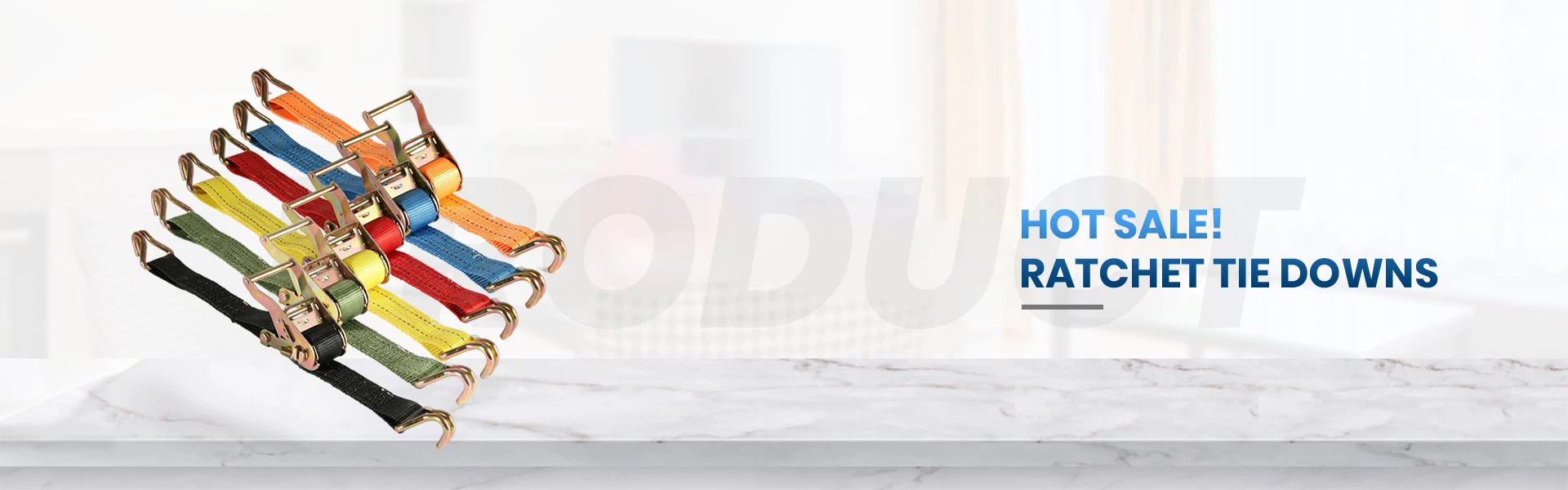


Rope Tie Down Straps
What is Rope Tie Down Straps
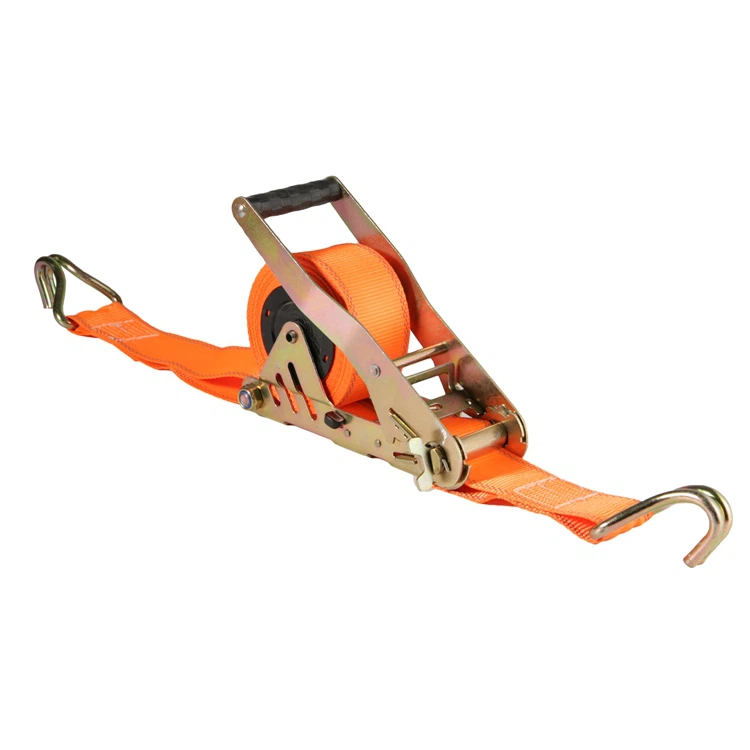
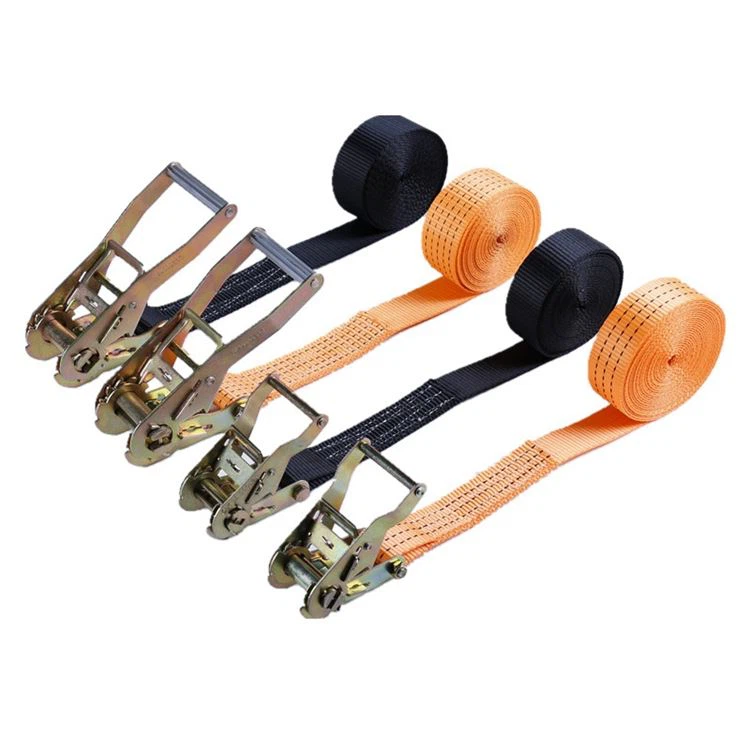
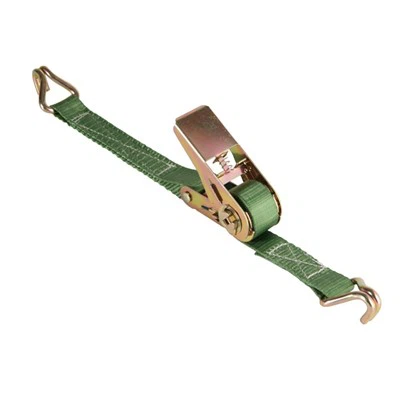
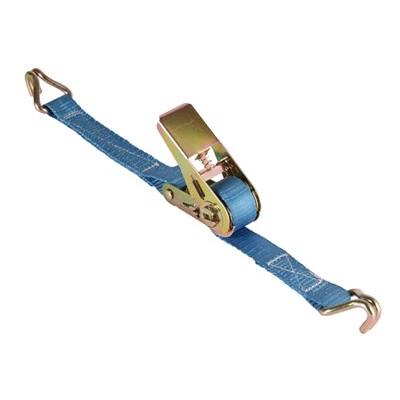
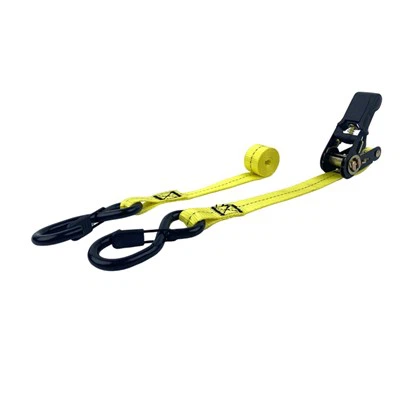
A rope tie down straps is a fastener used to hold down cargo or equipment during transport. Tie down straps are essentially webbing that is outfitted with tie down hardware. This hardware allows the tie down strap to attach to the area surrounding the cargo or equipment, loop over the cargo or equipment, and/or attach to the cargo or equipment.
Benefits of Rope Tie Down Straps
Safe:Since your cargo is safely secured, you can transport it with peace of mind knowing that it will not fall off the trailer, pick-up truck or roof rack and damage the cargo in the process. This is especially important in high-traffic areas where the safety of others and their property is a major concern.
Reliable:Rope tie down straps usually have webbing that is very strong, weather resistance, non-abrasive and low stretch, like polyester webbing. This means cargo will be securely tightened without sustaining any damage and can be transported in many weather conditions.
Variety of sizes:It does not matter if your situation is lightweight (like securing your load to a roof rack, for example). There are suitable mini versions of ratchet straps with strength ratings of up to 1,500kgs. For larger applications, you can get ratchet straps that go up to 20m in size and offer a strength rating of up to 10,000kgs.
Variety of fittings:Rope tie down straps come with a variety of fittings that can be used in a number of applications depending on your needs. The fittings they can come with are: flat snap hooks, e-track double stud fittings, d-rings, e-track fittings, flat hooks, chain extensions, vinyl coated wire hooks and many more.
Effortless:Due to the ratcheting system of these tie down straps, you are given a mechanical advantage when it comes to tightening the load to make sure that everything is secure. They also make the job of loading and offloading large and bulky cargo easier and faster without needing a lot of man power.





why choose us
Professional Team
We are an original manufacturer with more than 10 years experience,we are very professional.
Custom Service
We support sample service, you can order samples to test the quality of our products before deciding whether to cooperate with us.
Online Service
We can provide customized services according to your specific needs, you can contact us at any time.
Our products
The price of our products is very competitive in the market, because we produce the research and development products by ourselves, we are the original manufacturer.
Choose The Suitable Rope Tie Down Straps According To Your Load
Weight capacity
The load of the cargo is the basic thing that must be known before deciding the number of rope tie down straps required. You need to know how much weight a strap will be able to carry. Generally, 2 straps are the basic requirement for any type of load.
Tie rope tie down straps length
The strap must be long enough so that it covers the whole load and is properly tied down from all the points. The strap should not be very long nor should it be small as it will compromise the load safety. If the tie-down strap is short then it won't be able to cover up the whole load and if it is too big then it won't give adequate strength and support to the cargo as it will be loose. So, an appropriate strap length is necessary.
Strength of the tie down straps
There is a load rating for every rope tie down straps. It is important to make sure that the load rating of the strap is higher than the load that is being transported to make it safe. There are many other factors that must be considered in a total load of cargo and those are wind resistance, bump on the road, etc. So, all these factors must be observed to make your cargo safe and secure.
Type of hook at rope tie down straps end
These hooks are attached at the end of the strap and are used to connect the strap to the anchor point. There are various types of hooks that are available at strap end fitting such as s-hooks, flat hooks, wire hooks, etc. The type of hook has to be selected on the basis of the anchor point. The s-hook is compatible with almost all kinds of anchor points. Whereas, the flat hooks can be used where the anchor point is flat and are mostly used in flatbed trailers. There are also certain hooks that come with safety latches. Because of these safety latches, the hooks won't come off the anchor point easily. This makes the cargo more secure and safe.
Locking in rope tie down straps
Built-in locks are also installed in some straps that act as an additional feature. They provide extra support and safety to the cargo. If the load that is being carried needs extra support and security then these straps are very important and must be used in such cases.
Tie-down straps can also get damaged from the corner of the loads. Corner protectors are used in order to stop the rope tie down straps from damaging. If the load is fragile or sensitive then corner protectors can be very helpful in such cases. With the help of these protectors, the load won't get damaged because of the straps or chains. They are not costly and act as a perfect material for the overall safety of strap and cargo.
Straps for cargo securement
The most common use of ratchet straps and rope tie down straps is for securing cargo in loading, moving and unloading situations. Whether it's moving a large item such as a TV with a pickup truck or securing several household appliances into the back of a van, cargo straps are by far the quickest and safest measure. The Department of Transportation has spent years researching and testing equipment to set guidelines for ratchet straps as the best method of safe securement of cargo loads.
Pickup truck bed straps
Ratchet straps, although more often used for cargo, can also be a convenient way to secure grocery bags and shopping bags. You can use the straps and tie downs to loop bag handles so that the bags don't blow away or shift around the back.
Commercial trucking straps
We've all seen flatbeds and trailers cruising down the highway with ratchet straps holding cargo, anything from household goods to shipping crates, but professional/commercial trucks use ratchet straps, slings and cargo tie downs outside – and inside – their trailers.
Professional moving straps
One of the most important tools for professional movers is tie down straps. Cargo tie straps and ratchet straps make their jobs so much easier, they would not be able to complete a job without them. Straps prevent load shifts, tighten cargo securement, and help get the most use of space inside crates, trucks and trailers. Additionally, cargo straps can be used to tighten moving blankets for protecting furniture and other sensitive surface material items. These straps help keep the blankets in place.
ATV strap securement
With ATVs being so popular for weekend activities, many people transport ATVs on a trailer. In order to make sure the ATV stays in place while in transport, cargo and ratchet straps are the preferred securing method. When wrapped around the tires and secured to the sides of the trailer, the ATV is sure to stay in place while also easy to strap down and unstrap.
Motorcycle Trailer Straps
Motorcycles aren't always driven to their destination, they are towed on a trailer instead. Ratchet and cargo strapsare perfect for tying down motorcycles and making sure they don't shift in tow.
Car towing straps
Towing a car is usually done by a professional, however, many trucks have towing capabilities and we see cars being towed by trucks all the time now. It's very important to make sure that the car in tow is properly secured with industrial strength cargo tie down straps. Professional tow trucks use ratchet tow straps, once they have loaded a vehicle onto the flatbed of their tow truck. These straps are usually wrapped around the vehicle's tires and then secured to the built-in strap hooks on the trailer.
Straps to pull a vehicle out of the mud or snow
Mud can be fun, but it can also cause quite a disturbance! Whether an ATV, snowmobile, truck, tractor or automobile, if you are stuck in the mud or snow, you will almost always need cargo straps to get you out. Because nylon webbing is the most durable, these are the straps that are used most often in towing a vehicle from a sticky (or not so sticky) spot.
Bicycle tie down straps
When you are headed off for an active weekend of hiking and bicycling, you may need to secure your bike to the back of your car or SUV.Cargo tie down strapsare used to provide additional securement when attaching a bicycle to a rack. You can also rely on ratchet straps to make sure that bicycles don't move or shift with any quick traffic movements.
Lifting slings and straps
When you have to move a heavy object, it is always helpful to have lifting slings, ratchet straps and a dolly. We often see slings and strapsused to move refrigerators, washers, dryers and dressers. Lifting slings help distribute the weight of the object, too, making it easier to maneuver through doors and halls.
Luggage straps
Whether you are storing luggage away in the garage or transporting luggage on a rack on your vehicle, it's always a good idea to use luggage straps. Imagine the chaos if your luggage were to come loose on its rack and fall onto the freeway as you are driving! Cargo tie downs and ratchet straps are great for added protection to your luggage.
How to Use Rope Tie Down Straps


Threading a rope tie down straps
Use the release catch to open the ratchet. The release catch, also known as the release lever, is a smaller handle that disengages the ratcheting handle. It's located in the center of the top movable piece of the ratchet. Pull up the release catch and flip the ratchet fully open. Set the open ratchet on a table before you so that the spiked wheels (cogs) are facing upwards.
Thread the strap through the bottom of the ratchet. The slot at the bottom of the ratchet, known as the "mandrel," holds the length of the strap. To thread the strap, start from underneath the ratchet and push it up through the mandrel. The threaded strap should then lay straight, the length of it overlapping with the second strap on the other side of the ratchet.
Continue feeding the strap through the mandrel until it feels taut. Remember that you can always tighten it with the ratchet later, so don't worry too much about the length.
Securing your cargo
Secure cargo in a vehicle with the strap hooks. Rope tie down straps can easily secure cargo in a truck bed or moving van. Move your cargo where you want it to stay, then place the ratchet strap across your cargo. Hook the ends over the side of the truck bed or in grooves in the van wall.
Hook the ends around the item to hold pieces together. If you're using the ratchet strap to hold several objects together, such as 2 large frames, wrap the strap around those objects and simply hook the 2 ends together. This will create a large, secure loop.
● Keep in mind that this technique will hold objects together, but will not keep them in place.
● To hold multiple objects together and keep them in place, you'll need two ratchet straps. Use one strap to secure the objects together and the other strap to wrap around them and strap them into place.
Crank the ratchet until it feels secure
Pull the ratchet back and forth to pull the length of the strap through and tighten it. Once it feels taut and secure around your cargo, stop ratcheting. Tug at the strap and check for give--it should feel tight and secure.
● Be careful not to over-tighten. Too much pressure could damage your ratchet strap or your cargo.
● If you can't fit a finger between the strap and the object, you probably overtightened. Loosen the strap and ratchet it closed again.
Lock the strap securely
Flip the ratchet back into the closed position. Press it closed until you hear it latch. This means that the strap is locked into place and should hold your cargo securely.
If you don't hear the click, tug on the strap and buckle to make sure it's secure. If it comes loose, you may have a faulty ratchet strap.
Releasing the strap
Pull and hold the release tab. This will override the ratcheting function and release the lock. The release tab should be easy to access and located on the top of the ratchet.
If you can't locate the release tab, check your operation instruction manual.
Open up the ratchet and pull the strap loose. Flip the ratchet completely open so it lays flat, then pull on the non-fixed side of the strap. This will release the strap from the ratchet's hold and allow you to completely remove the strap.
Pull and hold the release tab to close the ratchet again. Locate the release tab once again and hold it down while you flip the ratchet closed. This will keep the ratchet in locked position until it is ready to be used to again.
Maintenance Tips For Rope Tie Down Straps
The sun's ultraviolet rays break down both nylon and polyester fibers. This is what causes rope tie down straps to discolor and become brittle. It is best to keep straps out of the sun when they are not in use. For our money, the best way to go is to either store your ratchet straps in an exterior toolbox or somewhere in the back of your cab.
Note that the sun will eventually damage webbing material to a point of reducing its strength. Keep an eye on discoloration as the first signal. When a strap looks unusually pale, be extra vigilant in your visual inspections. Webbing material that has lost almost all its color is probably on its way out.
Mold and mildew are never a truck driver's friends. They are especially damaging to rope tie down straps inasmuch as mold and mildew can weaken fibers over time. Therefore, treat your ratchet straps the same way you treat your tarps in terms of moisture. Never store a wet strap except in an emergency situation. Instead, let it thoroughly dry before putting it away. If you do end up with mold on a strap, do not use a chlorine-based product to clean it. Use a product that is friendly to the webbing material the strap is made of.
When taking rope tie down straps out of use, be sure to remove the webbing from the handles. This prevents the webbing from getting too tightly wrapped around the spindle or catching on the teeth of the ratchet. You'll find that your ratchet straps last a lot longer just by following this one simple tip.
With webbing removed from the handle, we recommend wrapping it entirely around the ratchet and securing it with a rubber band. This protects the ratchet from road vibration while also keeping everything in your toolbox neat and tidy.
Finally, be sure to lubricate your ratchets with a dry silicone spray or industrial lubricating oil. We recommend against solvents like WD-40, as their lubricating properties are rather short-lived. Whatever your lubricant of choice, use it carefully and sparingly. Do your best to avoid allowing lubricant to come in contact with strap webbing.
As always, thoroughly inspect ratchet straps as you are tying down your load. If you ever question the integrity of a strap or ratchet, don't use it. You are better off being safe than sorry. Remember that it only takes one failure to create big problems. Those are problems you do not need.
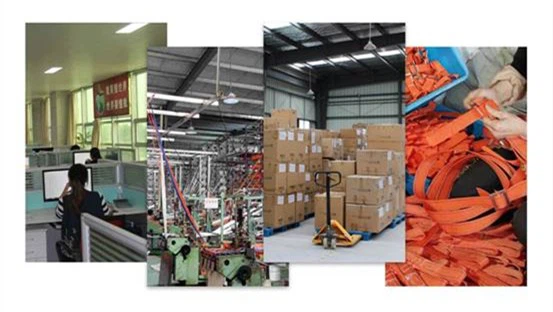
Taizhou Senkang protective equipment factory.One of the Professional Manufactures in the field of Cargo Lashing and Side curtain Buckles Industry.We focus on the Medium and High Quality market, with more than 10 years experience we have been successfully provided the Variety of Cargo lashings, including Ratchet Tie Down, Ratchet Buckle and Hooks to most European and the United States Clients.
Our Certificate
ISO9001,CE

Asked Questions
Q: How many ratchet straps do I need to secure my motorcycle?
Q: What are the requirements for tie-down straps?
Q: Can you shorten tie-down straps?
Q: How do you lock tie-down straps?
Q: Why do bikers strap down?
Q: How many feet apart do straps on load need to be?
Q: How often should you replace tie down straps?
Q: Should you twist a tie down strap?
Q: How much weight can a cargo strap hold?
Q: Where is the best place to strap a motorcycle down?
Q: How many straps on a load?
Q: What is the life expectancy of a ratchet strap?
Q: What is the best color for ratchet straps?
Q: How many tie downs should a cargo be held with?
Q: What regulations require that there should be at least one tie down?
Q: Should cargo have at least two tiedowns and then one tiedown for each?
Q: When should I replace my cargo straps?
Q: What is the minimum distance between tie downs to prevent shifting of cargo?
Q: What are the rules for tie-down straps?
Q: How long do ratchet straps last?
Hot Tags: rope tie down straps, China rope tie down straps manufacturers, suppliers, factory, equipment tie downs, vehicle tie downs, j hook tie downs, pick up truck tie downs, clearance sale tie downs, snowmobile tie downs
Previous
Tractor Tie Down StrapsYou Might Also Like


Send Inquiry