

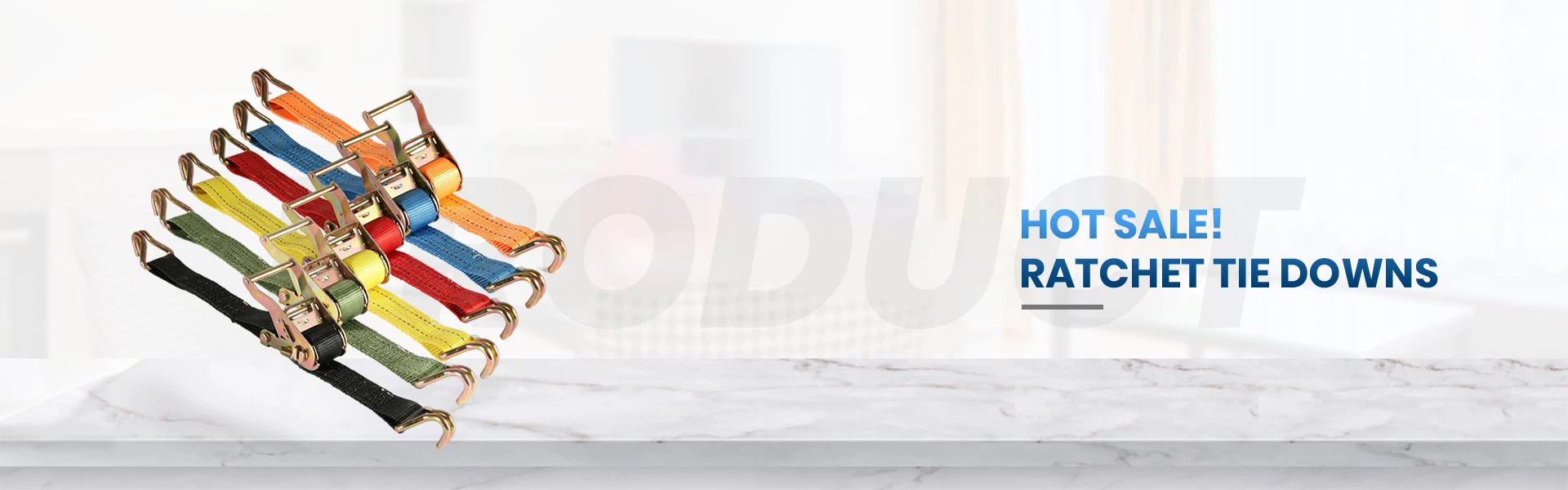


Retractable Tie Down Strap
What is Retractable Tie Down Strap
Retractable tie down strap is a length of webbing that is tensioned and used to secure cargo or equipment for transportation. They are available in lengths ranging from around six feet for small loads to 40 feet for commercial trucking applications, and typically range from one inch to four inches wide.


why choose us
Professional Team
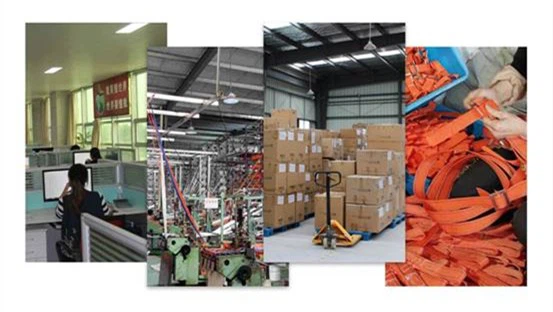
We are an original manufacturer with more than 10 years experience,we are very professional.
Custom Service
We support sample service, you can order samples to test the quality of our products before deciding whether to cooperate with us.
Online Service
We can provide customized services according to your specific needs, you can contact us at any time.
Our products
The price of our products is very competitive in the market, because we produce the research and development products by ourselves, we are the original manufacturer.
Versatile
Retractable tie down strap are versatile and can be used in a wide range of industries and applications. They can be used to transport boxes, furniture, ATVs, UTVs, motorcycles, kayaks, boats, jet skis, lawn equipment, and heavy duties. These tie-downs can also be used in various settings like, as mentioned above, warehouses, construction sites, shipping and logistics companies, and factories.
Plus, by incorporating soft loops, you can create secure connection points when there are no suitable attachment points for the straps to hook onto. This ensures your cargo remains safe and secure during transport, regardless of shape or size.
Faster and more efficient
These retractable tie-downs are faster and more efficient than the non-retractable ones. With traditional ratchet straps, the user must manually thread the strap through the ratchet and then tighten it. With retractable straps, the strap is already threaded through the ratchet, making it faster and more efficient to use. There is no need to manually wind up the strap after use, saving time and effort. The ratchet mechanism also allows for quick and easy tightening, ensuring that the load is secured in place in a matter of seconds. Less time is spent securing the cargo, allowing for more time to focus on other tasks.
Space-saving design
Retractable tie down strap are designed to take up less space than traditional ones. They can be stored compact and tidy, freeing up valuable storage space. They are ideal for those who need to store large quantities of straps in a small drawer or storage box.
This feature is quite useful for a shipping and logistics company that needs to store hundreds of ratchet straps in a small warehouse. Compared to traditional straps, retractable tie-downs can be stacked and stored more efficiently and saving space without the risk of getting tangled up and reducing clutter.
Highly durable
When it comes to durability, retractable tie down strap are often more durable than their traditional counterparts. The retractable design protects the webbing from wear and tear, ensuring it lasts longer and can be used more often.
Easy to use
Retractable tie down strap are designed to be easy to use, even for those who are not familiar with traditional ratchet straps. The retractable user-friendly design allows the strap to be easily extended and retracted, making it simple to secure cargo in place. Additionally, many retractable ratchet straps come with ergonomic handles, making them even easier to grip and control.
Safer option
Retractable tie down strap are designed and manufactured with safety in mind. The retractable technology reduces the risk of the strap becoming tangled or snagged, which can cause accidents or damage to the cargo and the vehicle carrying it. Additionally, retractable tie-downs have locking mechanisms that prevent the strap from accidentally releasing during transport.
Cost-effective
Finally, these retractable retractable tie down strap are a cost-effective solution for securing cargo. While they may be slightly more expensive than the traditional ones, their durability and ease of use make them a worthwhile investment in the long run. They would not have to be replaced frequently, which reduces the overall cost of purchasing new straps.
This feature is quite useful for small business owners who frequently transport goods from one location to another. Using retractable ratchet straps allows them to save money on replacement straps in the long run, making it a more cost-effective option for their business. Additionally, since less time is spent securing cargo, business owners have more time to focus on other tasks like loading and unloading. The increase in efficiency leads to cost savings in terms of labor costs and increased productivity.
Types of Retractable Tie Down Strap and Mechanisms
Retractable tie down strap
Retractable tie down strap are named for their method of locking and securing the strap via an easy-to-use ratcheting system. Retractable tie down strap can have a working load limit up to 5,000 lbs. with a 15,000-lb break strength rating, and can create a tighter and more secure restraint – ideal for solid, heavy loads.
Lashing straps
Lashing Straps feature an easy-to-use gator clip, and are generally the lightest-duty tie-down strap with a maximum of 100-lb working load and 220-lb break strength. They are designed for use on cargo carriers, game carts, and other small loads.
Cam buckle straps
Cam Buckle Straps are generally lighter-duty than ratchet straps but heavier-duty than lashing straps. They are designed for use with medium-sized loads such as dirt bikes and ATVs, and can have up to a 500-lb working load and 1,500-lb breaking strength. They are easy and quicker to tighten and release than a ratchet strap, but cannot safely secure as much weight.
The Durability Differences Between Retractable Tie Down Strap and Cam buckles
Retractable tie down strap
Retractable tie down strap are extremely durable and are often used in the cargo control industry where durability and strength are extremely important. The polyester webbing used for our Tie Down Straps is resistant to scratches, the sun's UV rays, and water while being outside in the elements. This sturdy construction allows our Ratchet Tie-downs to hold tight throughout the trip as long as the Working Load Limit is not exceeded. All of our webbing and hardware are tested rigorously to establish Working Load Limits and breaking strength so we can ensure the safety of each one of our customers.
Cam buckle straps
Cam Buckle Straps are not as strong as ratchet straps, but they are just as durable. Cam Buckle Straps are constructed from our heavy-duty polyester webbing blends that are designed to be resistant to moisture from rain, direct sunlight UV rays, and potential harmful scratching. The hardware for our cam buckle straps is made from steel and sometimes is even zinc plated to ensure that every strap that leaves our shop can withstand the burdens you need it to. As long as you are never exceeding the Working Load Limit on Cam Buckle Straps they are more than capable of getting the job done in most cases with ease. Consider purchasing or trying cam buckle straps on your next cargo securement today.
Types of Hook Ends
S-Hook
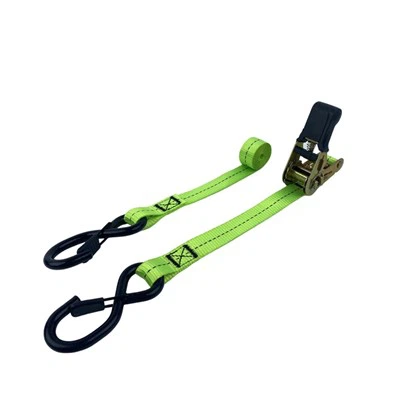
S-Hooks are the most standard type of hook end, S-hooks fit just about any hole to remain secure when a simple strap would not.
Snap Hook
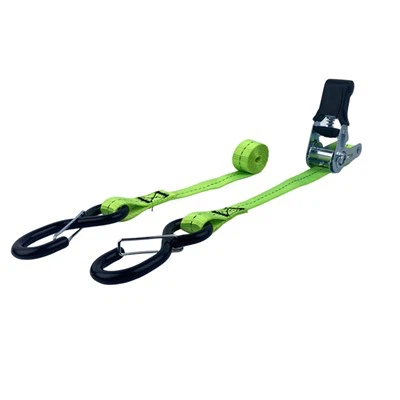
Snap Hooks are similar to an S-hook, but feature a latch that snaps closed around the tie-down point to provide a more secure grip than an S-hook.
Flat Hook
Flat Hooks feature a low-profile, versatile design to go over the rub rail of a trailer, and can use other tie-down straps as anchor points.
J-Hook
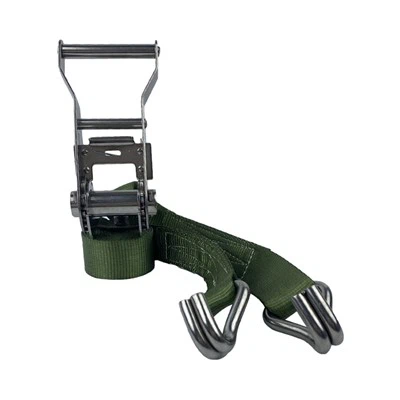
J-Hooks, also known as wire hooks, are typically used on one end of a ratchet strap to tightly grip onto an anchor point.
What is Retractable Tie Down Strap Assemblies and How to Load One?


Tie Down Hardware
A retractable tie down strap assembly is typically made from polyester webbing or sometimes nylon. These winch straps come in various widths and lengths to accommodate different load sizes and weights. Often, they are between 2-4" wide and up to 30' in length.
You can also purchase tie-down webbing for straps that are up to 300' long. These are generally used for large cargo or equipment transportation purposes.Let's now try to understand how to assemble ratchet tie-downs properly. Retractable tie down strap have various attachment points at the end, including flat hooks, J hooks, or chain hooks. Flat hooks can attach to flat anchor points, such as the underside of a trailer. J hooks can be used with D-rings or O-rings, which are often used inside truck beds. Chain hooks are designed to increase the strap's weight load limit and add extra strength at the connection point.
The strap runs through a tie-down buckle to create tension. The combination of the durable material and the tension from the buckle creates an extremely strong tie-down a lightweight piece of equipment.
Retractable tie down strap sccessories
Sometimes ratchet tie-down assemblies require additional accessories for specific applications. These can be added to the tie-down hardware to provide added strength or length.
For instance, some types of industrial chains such as binder and transport chains can be connected to the J hooks of the ratchet straps. This may be used to tie down a very heavy load, such as the wheels of large construction equipment.Retractable tie down strap manufacturing webs or cargo nets can also be used instead of flat straps to secure larger loads. These are commonly attached to either side of a truck.
Cargo unions may also be used alongside tie-down assemblies for cargo control. This includes a ratchet load binder, which helps to increase the tension with chains used for tie-downs. This piece of equipment is extremely strong, with a working load limit of up to 13,000 lbs.Lever load binders are also used for cargo securement. They are attached on either side to the straps or chains. The lever in the middle increases the tension more efficiently and better than ratchet buckles can.
How to load a ratchet tie down assembly
Once you've understood how to assemble ratchet tie-downs, you'll need to know how to load ratchet tie-down assemblies the right way.
The first is to determine the working load limit of the tie-down. The working load limit for all tie-down assemblies is equal to one-third of its breaking strength. This means that the load it is securing should not exceed one-third of the breaking strength limit of the entire assembly. This ensures that the tie-downs will not snap if added tension or friction is added suddenly.
This can happen often with tie-down assemblies used on moving vehicles. If the truck brakes suddenly, the load will shift due to the force, thus putting additional tension on the tie downs. The remaining two-thirds of the breaking strength ensures that these additional factors will not break the assembly.
Once the straps or chains have been wrapped around the load, they must be threaded into the ratchet buckle. One end goes beneath the round piece called the mandrel. It is then doubled back over so that it comes out on the same side.
Then, pull on the ratchet buckle several times to crank the strap through more. This is what creates the tension. Once you cannot crank the strap any further, lock the buckle into place. You can release the tension by opening the buckle and pulling the straps back through until it loosens.
How to use ratchet straps correctly
The longevity of your ratchet straps and other equipment depends greatly on how they are used. Storing them improperly can lead to damage. To ensure effectiveness and a long working life, make sure to avoid the following when storing ratchet straps
a. Moisture
You must store the straps and buckle correctly to extend the life of ratchet tie-down assemblies. Be sure that the buckle is dried off if it comes into contact with water, as this could cause rusting.
Further, exposure to moisture can cause your ratchet straps to develop mold and mildew issues. Mold, in particular, can weaken the webbing, reducing their strength and damaging the polyester, especially in heavy-duty straps.
This usually happens when the ratchet straps are stored in the back of trucks. If they get wet in the rain or are used in the wet conditions, allow them to dry completely before putting them away.
b. Direct sunlight
It is best to store ratchet straps away from direct sunlight and heat. Store them in a dark and dry place to avoid exposure to harmful ultraviolet (UV) rays. These rays can cause the color of the straps to fade, which may indicate severe damage. Roll each strap up separately and keep it in a dry storage space out of direct sunlight. You can add a zip tie or rubber band to keep the strap roll in placeiction:
Ensure that the straps don't rub against any sharp edges or other objects when in use. This can cause friction, compromising the strength of the straps. In case you notice any burns or ruptures on the straps, place them out of service immediately.
How to check for damage
To ensure the safety of human life and property, it is crucial to inspect ratchet straps regularly for signs of damage. Even minor damage can drastically reduce the strap's capacity, and heighten the chances of failure and mishaps during use.
You should inspect the entire ratchet strap assembly before each use. Discard it from service if you notice any of the following:
● The identification tag is missing or illegible
● Broken or worn stitches in the load-bearing splices
● Acid or alkali burns
● Cuts, holes, tears, or embedded materials
● Formation of knots, melting, charring, or weld splatters in the webbing
● Worn out or crushed webbing
● Fading from exposure to UV rays
● Corrosion, rusting or other damage to buckles or end fittings
● Any condition that can compromise the strength of the ratchet strap
We hope all of this information helps you understand how to assemble ratchet tie-downs and use them safely.
Taizhou Senkang protective equipment factory.One of the Professional Manufactures in the field of Cargo Lashing and Side curtain Buckles Industry.We focus on the Medium and High Quality market, with more than 10 years experience we have been successfully provided the Variety of Cargo lashings, including Ratchet Tie Down, Ratchet Buckle and Hooks to most European and the United States Clients.
Our Certificate
ISO9001,CE

Asked Questions
Q: What are the requirements for tie-down straps?
Q: Can you shorten tie-down straps?
Q: How do you lock tie-down straps?
Q: Why do bikers strap down?
Q: How much weight can a cargo strap hold?
Q: How many feet apart do straps on load need to be?
Q: How often should you replace tie down straps?
Q: Should you twist a tie down strap?
Q: Where is the best place to strap a motorcycle down?
Q: What is the life expectancy of a ratchet strap?
Q: How long do ratchet straps last?
Q: What is the best color for ratchet straps?
Q: How many tie downs should a cargo be held with?
Q: What regulations require that there should be at least one tie down?
Q: How many straps on a load?
Q: Should cargo have at least two tiedowns and then one tiedown for each?
Q: What is the minimum distance between tie downs to prevent shifting of cargo?
Q: What are the rules for tie-down straps?
Q: When should I replace my cargo straps?
Q: How many ratchet straps do I need to secure my motorcycle?
Hot Tags: retractable tie down strap, China retractable tie down strap manufacturers, suppliers, factory, Ratchet Straps and Tie Downs, Ratchet Tie Downs, Short Tie Down Straps with Hooks, Heavy Ratchet Straps, Retractable Ratchet Tie Down, High Quality Ratchet Straps
Previous
Rope Tie Down StrapsYou Might Also Like

Send Inquiry