



Motorcycle Cargo Straps
What is Motorcycle Cargo Straps
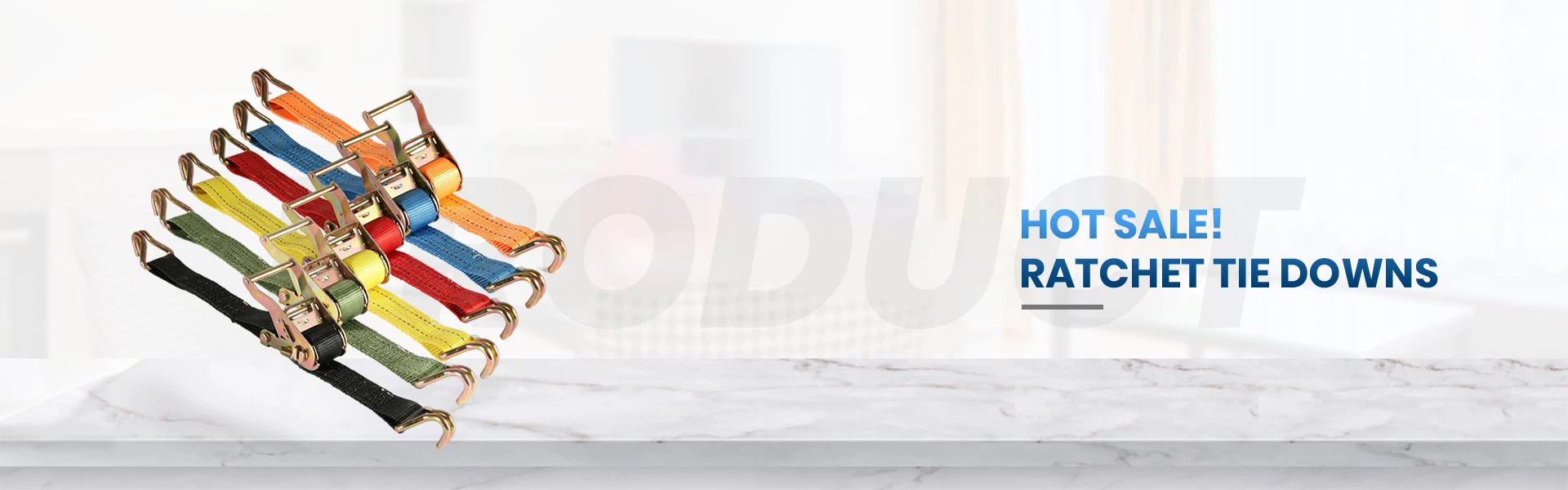
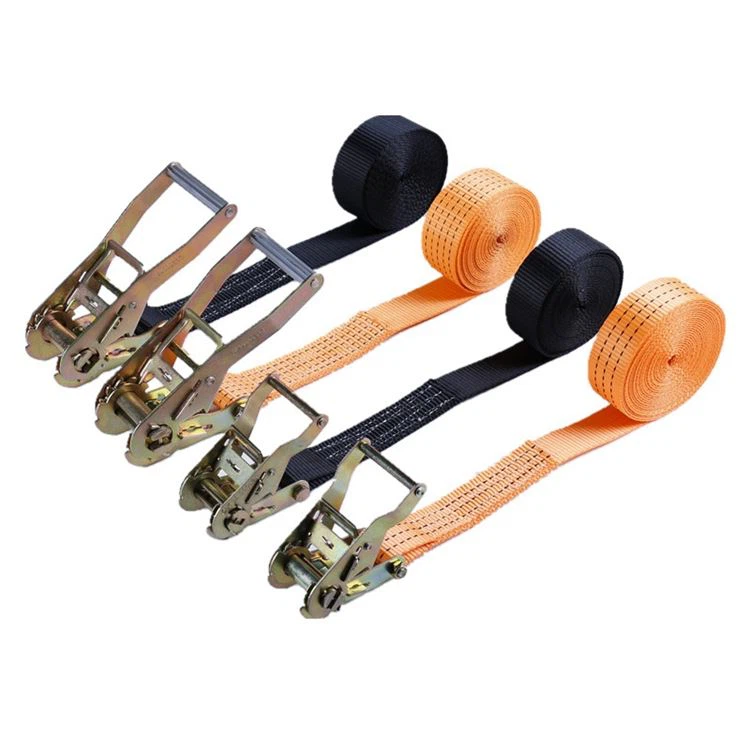
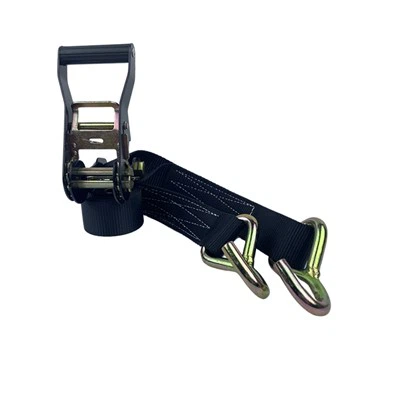
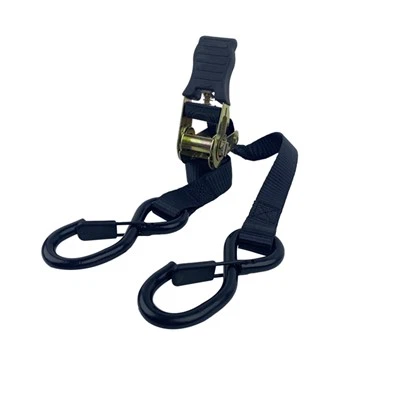
Motorcycle cargo straps is a fastener used to hold down cargo or equipment during transport. Tie down straps are essentially webbing that is outfitted with tie down hardware. This hardware allows the tie down strap to attach to the area surrounding the cargo or equipment, loop over the cargo or equipment, and/or attach to the cargo or equipment. It usually also includes a method of tensioning the strap, such as a ratchet.





why choose us
Professional Team
We are an original manufacturer with more than 10 years experience,we are very professional.
Custom Service
We support sample service, you can order samples to test the quality of our products before deciding whether to cooperate with us.
Online Service
We can provide customized services according to your specific needs, you can contact us at any time.
Our products
The price of our products is very competitive in the market, because we produce the research and development products by ourselves, we are the original manufacturer.
Easy to use
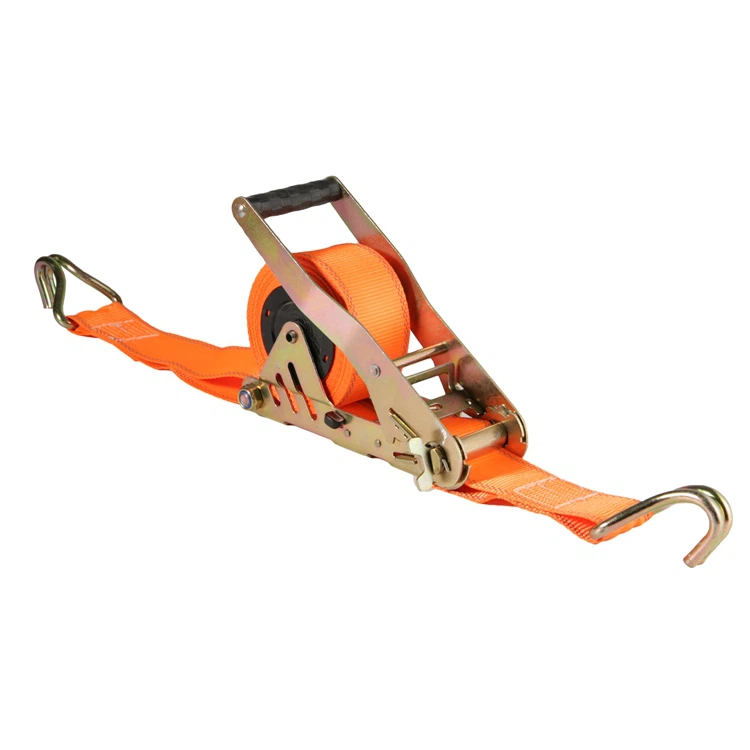
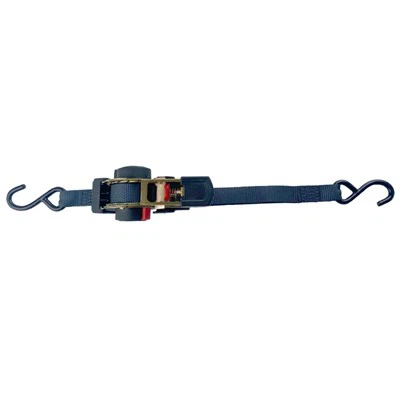
Motorcycle cargo straps are designed to be easy to use, even for those who are not familiar with traditional ratchet straps. The retractable user-friendly design allows the strap to be easily extended and retracted, making it simple to secure cargo in place. Additionally, many retractable ratchet straps come with ergonomic handles, making them even easier to grip and control.
Faster and more efficient
These retractable tie-downs are faster and more efficient than the non-retractable ones. With traditional motorcycle cargo straps, the user must manually thread the strap through the ratchet and then tighten it. With retractable straps, the strap is already threaded through the ratchet, making it faster and more efficient to use. There is no need to manually wind up the strap after use, saving time and effort. The ratchet mechanism also allows for quick and easy tightening, ensuring that the load is secured in place in a matter of seconds. Less time is spent securing the cargo, allowing for more time to focus on other tasks.
Space-saving design
Retractable motorcycle cargo straps are designed to take up less space than traditional ones. They can be stored compact and tidy, freeing up valuable storage space. They are ideal for those who need to store large quantities of straps in a small drawer or storage box.
This feature is quite useful for a shipping and logistics company that needs to store hundreds of motorcycle cargo straps in a small warehouse. Compared to traditional straps, retractable tie-downs can be stacked and stored more efficiently and saving space without the risk of getting tangled up and reducing clutter.
Highly durable
When it comes to durability, retractable motorcycle cargo straps are often more durable than their traditional counterparts. The retractable design protects the webbing from wear and tear, ensuring it lasts longer and can be used more often.
For example, motorcycle cargo straps are highly durable due to their quality construction and materials. The webbing is made from high-quality, durable fabric with high breaking strength. The structure is also strengthened to ensure that it can withstand heavy loads without breaking or deteriorating. The retractable design protects the webbing from damage by retracting it back into the housing unit when not in use, preventing it from becoming tangled or frayed. As a result, the straps have a longer lifespan, making them a reliable option for securing heavy loads during transportation.
Versatile
Motorcycle cargo straps are versatile and can be used in a wide range of industries and applications. They can be used to transport boxes, furniture, ATVs, UTVs, motorcycles, kayaks, boats, jet skis, lawn equipment, and heavy duties. These tie-downs can also be used in various settings like, as mentioned above, warehouses, construction sites, shipping and logistics companies, and factories.
Plus, by incorporating soft loops, you can create secure connection points when there are no suitable attachment points for the straps to hook onto. This ensures your cargo remains safe and secure during transport, regardless of shape or size.
Safer option
Motorcycle cargo straps are designed and manufactured with safety in mind. The retractable technology reduces the risk of the strap becoming tangled or snagged, which can cause accidents or damage to the cargo and the vehicle carrying it. Additionally, retractable tie-downs have locking mechanisms that prevent the strap from accidentally releasing during transport.
Cost-effective
Finally, these motorcycle cargo straps are a cost-effective solution for securing cargo. While they may be slightly more expensive than the traditional ones, their durability and ease of use make them a worthwhile investment in the long run. They would not have to be replaced frequently, which reduces the overall cost of purchasing new straps.
This feature is quite useful for small business owners who frequently transport goods from one location to another. Using retractable ratchet straps allows them to save money on replacement straps in the long run, making it a more cost-effective option for their business. Additionally, since less time is spent securing cargo, business owners have more time to focus on other tasks like loading and unloading. The increase in efficiency leads to cost savings in terms of labor costs and increased productivity.
How To Use Motorcycle Cargo Straps


Ratcheting strap basics
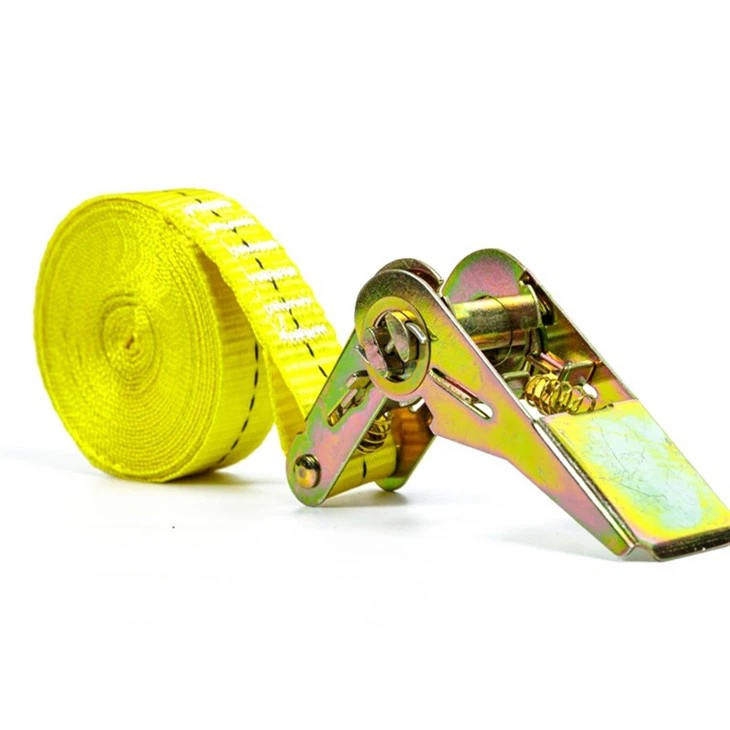
● Motorcycle cargo straps are usually made of polyester webbing, which has a low stretch rate. This material also resists scratches.
● In addition to the ratchet housing, tie-down straps usually include hooks, rings or other connectors and accessories for different attachment needs. For example, some are designed to hook to a built-in attachment point in a cargo carrier or in the bed of a truck. Select a ratchet strap and accessories based on its intended use.
● Inspect straps before use, especially ones with older polyester. Replace straps that appear torn, frayed or mildewed. If your motorcycle cargo straps are showing wear and tear, it's time to buy new ones.
● Before tying down your cargo, check the load limits of the ratchet straps. Different sizes and types of tie-down straps have specific break strengths and working load limits. Be sure to match the appropriate strap to the cargo or gear. If the item is too heavy and exceeds the load limit, the strap may fail. Some of the most common ratchet straps are the 2-inch size.
● Be aware of the weight limits of your vehicle, cargo carrier or roof rack as you prepare to load the cargo. Putting too much weight in a truck bed or other vehicle can damage it. An overloaded truck or car is also harder to control, making you more likely to get in a wreck.
● Check the owner's manual to find the specific weight limit your car or truck can carry. Remember the total capacity includes the weight of passengers and fuel, not just cargo.
How to set up a ratchet strap
Check the ratcheting strap instructions for the unit, if possible, to learn how to use motorcycle cargo straps. Some straps have different configurations.
● Loosely place the strap around the cargo. Check the strap to make sure it's not twisted.
● Open the ratchet to access the take-up spool (or axle). You may need to open the ratchet by pressing the release lever, or release catch, which is usually a small handle near the top of the ratchet.
● Feed one end of the strap into the ratchet housing's lower slot, called a mandrel, leading into the take-up spool.
● Pull the strap through the mandrel until taut, leaving only a few inches of slack. The ratchet will fully tighten the strap.
How to tighten a ratchet strap
● Connect the strap hooks to the vehicle's attachment points.
● Check to make sure the strap is laying flat and securely placed around the cargo so it doesn't shift during transport.
● Move the ratchet lever up and down in a pumping motion until it reaches the right tension. The ratchet turns the spool, which draws the strap more tightly. Do not over-tighten.
● Lock the ratchet in its closed position.
● When securing items to roof racks, consider tying down the loose ends of straps so they don't flap while in transit.
As you transport the load, be sure to stop and check the straps periodically to make sure the cargo has not shifted, especially after crossing speed bumps or uneven terrain.
How to release a ratchet strap
● Pull and hold the release lever or release tab when you're ready to remove the strap and unload the cargo.
● Open the ratchet fully so it lays flat, releasing the pressure on the strap.
● Pull the strap free.
● Close and lock the ratchet buckle while not in use.
Storing motorcycle cargo straps properly is important. Wrap the strap around its buckle. Use a rubber band to hold the wrapped strap in place. Keep your ratchet straps in a dry place out of the sun. Moisture and ultraviolet light can weaken the strap over time. Ratchet straps in good condition will make it easier to release them.
What Are The Uses Of Motorcycle Cargo Bags?
Cargo securement
The most common use for motorcycle cargo straps by far has to be by using Ratchet Straps to secure cargo. No matter if the load is in the back of a pickup truck or big rig trailer there is no job too big for a Ratchet Strap. Cargo securement has come a long way in the last 50 years and is constantly being researched by the Department of Transportation to remain safe and keep cargo secured. These guidelines are set based on countless hours of testing equipment and researching the best methods of safety. Ratchet Straps have been deemed as one of the most popular ways to keep loads secured and prevent moving from occurring to prevent accidents from occurring.
Motorcycles
Motorcycles and Dirt bikes can make for the perfect afternoon or weekend ride. Get to your destination spot knowing your sweet ride is going to be secured throughout the entire journey to the location. Sometimes the best thing that life can throw at you when shipping is peace of mind. Our Motorcycle straps have been thoroughly tested to help prevent any sort of harm to your ride from occurring.
In the back of a pickup truck
Motorcycle cargo straps are mostly used for cargo, but did you know you can even use ratchet straps to loop through grocery bags to secure them in the back of a pickup truck to prevent blowing away and movement from occurring? This is one of our favorite DIY ratchet strap hacks that can make grocery shopping more enjoyable.
Professional trucking
Next time you are on the highway going down the road keep an eye out for how many flatbeds, pickup trucks with trailers, and other shippers who are using ratchet straps. It's the number one most preferred cargo securement tool in the professional trucking and shipping industry due to its great cargo securement. OTR also known as on the road, are truckers whose profession is in the trucking industry.
Professional movers
Nothing goes better with professional movers as a tool like motorcycle cargo straps makes the job much easier than it can be without. Keep your clients happy by preventing load shifts, tight cargo securement, as well as utilizing trailer space. This goes perfectly along with products such as moving blankets, packers tape, and other moving supplies.
Christmas tree transporting
Similar to kayaks Christmas trees can be extremely difficult to transport due to their shape, size, and very few anchor points. With the use of Ratchet Straps, you can easily tie down a Christmas tree to the roof of your vehicle and keep it safe until it arrives at its destination point. Every year around Christmas time make sure to look on the side of the roadways for debris that has littered the highways and roadways. You might be surprised how often Christmas trees can be spotted on the side of the roads.
Brand and supplier
First of all, it's important to choose a supplier that you can trust. motorcycle cargo straps have to be designed and manufactured to a high standard, after all - you don't want to put the safety of yourself and others at risk by using inferior quality straps. Preferably, you should buy your straps directly from the manufacturer. That way, you know exactly where they've come from and what you're getting. Plus, if there are any issues, you only have one point of contact to resolve them.
Safety certifications
Make sure the straps you buy comply with all of the required British and European safety standards. In the case of motorcycle cargo straps, EN 12195-2:2001 is the key piece of legislation. Your strap supplier should be able to provide you with a certificate of conformity to prove that their products meet this standard.
Lashing capacity
The higher the lashing capacity of a strap, the more weight it can safely handle. This figure is typically measured in daN, and is equivalent to half of the strap's minimum break force in kg. So, double the lashing capacity and you'll know how much weight your straps can hold.
Hook type
A variety of different hook types are available to suit your individual application. Make sure you read up on the different types or contact your supplier to determine which is most suitable for you.
Length
Motorcycle cargo straps are available in a variety of different lengths - make sure you choose an option that suits the size of your load.
Maintenance Tips For Motorcycle Cargo Straps
Keep straps out of the sun
The sun's ultraviolet rays break down both nylon and polyester fibers. This is what causes motorcycle cargo straps to discolor and become brittle. It is best to keep straps out of the sun when they are not in use. For our money, the best way to go is to either store your motorcycle cargo straps in an exterior toolbox or somewhere in the back of your cab.
Note that the sun will eventually damage webbing material to a point of reducing its strength. Keep an eye on discoloration as the first signal. When a strap looks unusually pale, be extra vigilant in your visual inspections. Webbing material that has lost almost all its color is probably on its way out.
Don't store wet straps
Mold and mildew are never a truck driver's friends. They are especially damaging to motorcycle cargo straps inasmuch as mold and mildew can weaken fibers over time. Therefore, treat your ratchet straps the same way you treat your tarps in terms of moisture. Never store a wet strap except in an emergency situation. Instead, let it thoroughly dry before putting it away. If you do end up with mold on a strap, do not use a chlorine-based product to clean it. Use a product that is friendly to the webbing material the strap is made of.
Remove webbing from handles
When taking motorcycle cargo straps out of use, be sure to remove the webbing from the handles. This prevents the webbing from getting too tightly wrapped around the spindle or catching on the teeth of the ratchet. You'll find that your ratchet straps last a lot longer just by following this one simple tip.
Wrap webbing around the ratchet
With webbing removed from the handle, we recommend wrapping it entirely around the ratchet and securing it with a rubber band. This protects the ratchet from road vibration while also keeping everything in your toolbox neat and tidy.
Lubricate the ratchets
Finally, be sure to lubricate your ratchets with a dry silicone spray or industrial lubricating oil. We recommend against solvents like WD-40, as their lubricating properties are rather short-lived. Whatever your lubricant of choice, use it carefully and sparingly. Do your best to avoid allowing lubricant to come in contact with strap webbing.
As always, thoroughly inspect ratchet straps as you are tying down your load. If you ever question the integrity of a strap or ratchet, don't use it. You are better off being safe than sorry. Remember that it only takes one failure to create big problems. Those are problems you do not need.
Taizhou Senkang protective equipment factory.One of the Professional Manufactures in the field of Cargo Lashing and Side curtain Buckles Industry.We focus on the Medium and High Quality market, with more than 10 years experience we have been successfully provided the Variety of Cargo lashings, including Ratchet Tie Down, Ratchet Buckle and Hooks to most European and the United States Clients.

Our Certificate
ISO9001,CE

Asked Questions
Q: What are the rules for tie-down straps?
Q: When should I replace my cargo straps?
Q: How many ratchet straps do I need to secure my motorcycle?
Q: How much weight can a cargo strap hold?
Q: How many feet apart do straps on load need to be?
Q: What regulations require that there should be at least one tie down?
Q: How often should you replace tie down straps?
Q: Should you twist a tie down strap?
Q: Where is the best place to strap a motorcycle down?
Q: What is the best color for ratchet straps?
Q: What is the life expectancy of a ratchet strap?
Q: How long do ratchet straps last?
Q: How many tie downs should a cargo be held with?
Q: How many straps on a load?
Q: Should cargo have at least two tiedowns and then one tiedown for each?
Q: What is the minimum distance between tie downs to prevent shifting of cargo?
Q: Why do my tie-down straps keep coming loose?
Q: Can you shorten tie-down straps?
Q: How do you lock tie-down straps?
Q: Why do bikers strap down?
Hot Tags: motorcycle cargo straps, China motorcycle cargo straps manufacturers, suppliers, factory, Ratchet Tie Downs, , Heavy Ratchet Straps, Short Tie Down Straps with Hooks, Retractable Ratchet Tie Down, High Quality Ratchet Straps
You Might Also Like



Send Inquiry