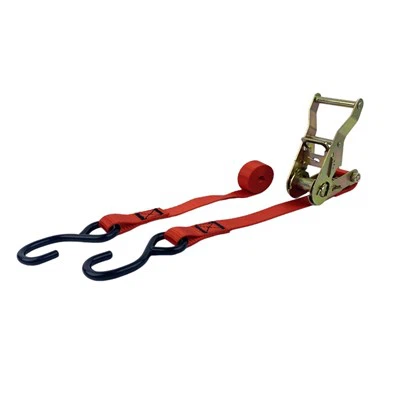
Ratchet rope straps are indispensable tools in various industries, serving to secure loads during transportation or storage. One question that often arises among potential users and industry professionals is whether these straps are resistant to chemicals. As a supplier of high - quality ratchet rope straps, I am here to delve into this topic and provide a comprehensive answer.
Composition of Ratchet Rope Straps
Before discussing chemical resistance, it's essential to understand what ratchet rope straps are made of. Typically, the webbing of ratchet rope straps is crafted from materials such as polyester, nylon, or polypropylene. Each material has unique properties that affect its chemical resistance.
- Polyester: Polyester webbing is a popular choice for ratchet rope straps due to its high strength, low stretch, and excellent abrasion resistance. It also offers good resistance to many chemicals, including most acids, alkalis, and solvents. However, it can be damaged by strong oxidizing agents and some organic solvents over time.
- Nylon: Nylon is known for its high tensile strength and elasticity. It has moderate chemical resistance, being resistant to many common chemicals but vulnerable to strong acids and alkalis. Prolonged exposure to moisture can also weaken nylon, especially in the presence of certain chemicals.
- Polypropylene: Polypropylene is lightweight and has good resistance to many chemicals, particularly acids and alkalis. It is also resistant to moisture and has a relatively low cost. However, it has lower strength compared to polyester and nylon and can be damaged by some solvents and UV radiation.
Chemical Resistance Testing
To determine the chemical resistance of ratchet rope straps, manufacturers conduct a series of tests. These tests involve exposing the straps to various chemicals for a specified period and then evaluating the changes in their physical and mechanical properties.
- Physical Changes: After chemical exposure, the webbing may show signs of discoloration, swelling, or shrinkage. These physical changes can indicate that the chemical has interacted with the material, potentially weakening its structure.
- Mechanical Property Changes: The strength and flexibility of the straps are also tested before and after chemical exposure. A significant reduction in tensile strength or an increase in stiffness can suggest that the chemical has compromised the integrity of the webbing.
Common Chemicals and Their Effects
Let's take a closer look at some common chemicals and how they can affect ratchet rope straps.
- Acids: Weak acids, such as acetic acid (found in vinegar), generally have little effect on polyester and polypropylene ratchet rope straps. However, strong acids, like sulfuric acid or hydrochloric acid, can cause severe damage to nylon and may also affect polyester and polypropylene over time. These acids can break down the chemical bonds in the webbing, leading to a loss of strength.
- Alkalis: Similar to acids, weak alkalis, such as sodium bicarbonate (baking soda), have minimal impact on most ratchet rope straps. Strong alkalis, like sodium hydroxide, can be more harmful, especially to nylon and some types of polyester. They can cause the webbing to become brittle and lose its flexibility.
- Solvents: Organic solvents, such as acetone, toluene, and gasoline, can have varying effects on ratchet rope straps. Polypropylene is relatively resistant to many solvents, while nylon and polyester can be damaged by certain solvents. Solvents can dissolve or swell the webbing, reducing its strength and integrity.
- Oils and Greases: Oils and greases are common in industrial environments. Most ratchet rope straps made of polyester or polypropylene have good resistance to oils and greases. However, prolonged exposure can cause the webbing to become slippery, which may affect its ability to secure loads properly.
Applications and Chemical Exposure
The level of chemical resistance required for ratchet rope straps depends on their application.


- General Transportation: In general transportation applications, where the straps are mainly exposed to environmental factors and occasional spills of common substances, polyester or polypropylene ratchet rope straps are usually sufficient. They can withstand the normal wear and tear and resist most chemicals encountered in everyday transportation.
- Chemical and Industrial Applications: In industries where the straps are exposed to harsh chemicals on a regular basis, such as the chemical manufacturing or oil and gas industries, special - purpose ratchet rope straps may be required. These straps are often made from materials with enhanced chemical resistance or are coated with a protective layer to prevent chemical damage.
Choosing the Right Ratchet Rope Straps for Chemical Resistance
When selecting ratchet rope straps for applications involving chemical exposure, consider the following factors:
- Chemical Compatibility: Identify the specific chemicals the straps will be exposed to and choose a material that is compatible with those chemicals. Consult the manufacturer's chemical resistance chart or technical data sheet for guidance.
- Level of Exposure: Determine the frequency and duration of chemical exposure. If the straps will be exposed to chemicals for long periods or in high concentrations, more resistant materials or additional protective measures may be necessary.
- Load Requirements: Ensure that the chosen ratchet rope straps can still meet the load - securing requirements even after potential chemical exposure. A reduction in strength due to chemical damage may affect the strap's ability to secure heavy loads safely.
Our Product Range
As a supplier of ratchet rope straps, we offer a wide range of products to meet different needs. Our Ratchet Strap Tensioner provides a reliable way to tighten and secure the straps, ensuring a firm hold on the load. Our Vehicle Ratchet Straps are specifically designed for vehicle transportation, with features that enhance their performance and durability. And our Lashing Straps with Hooks are versatile and can be used in various applications, including industrial and general transportation.
Conclusion
In conclusion, ratchet rope straps can have varying degrees of chemical resistance depending on the material they are made of. Polyester, nylon, and polypropylene each have their own strengths and weaknesses when it comes to chemical exposure. By understanding the chemical properties of these materials and the specific chemicals the straps will encounter, users can choose the most suitable ratchet rope straps for their applications.
If you are in need of high - quality ratchet rope straps with the right level of chemical resistance for your specific requirements, we are here to help. Our team of experts can provide you with detailed information and guidance to ensure you make the best choice. Contact us today to start a discussion about your procurement needs and find the perfect ratchet rope straps for your business.
References
- ASTM International. "Standard Test Methods for Tensile Properties of Textile Fabrics." ASTM D5034 - 11(2018).
- ISO 1421:2016. "Rubber - or Plastics - Coated Fabrics -- Determination of Tensile Strength and Elongation at Break."
- Manufacturer's technical data sheets and chemical resistance charts.