Hey there, fellow haulers and cargo enthusiasts! As a supplier of locking cargo straps, I've seen my fair share of mishaps and learned a ton about the importance of safety precautions when using these handy tools. So, let's dive right in and talk about what you need to know to keep your cargo secure and your journey safe.
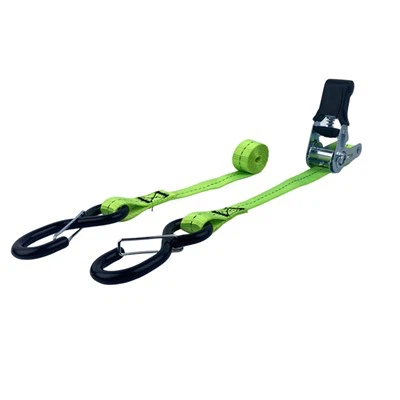
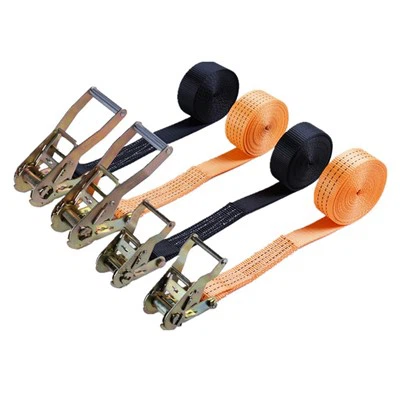
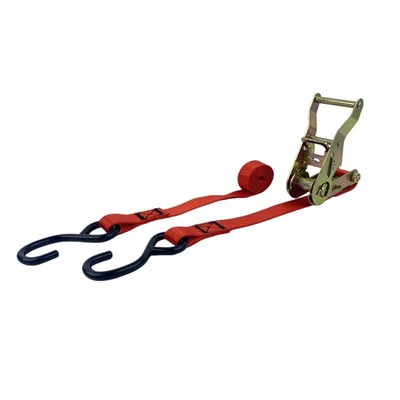
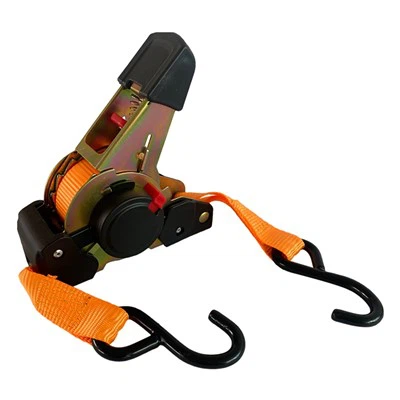
First off, let's understand what locking cargo straps are all about. These straps are designed to hold your cargo firmly in place during transportation, whether you're moving furniture in a pickup truck, hauling a motorcycle on a trailer, or transporting heavy equipment. They come in various types, like Vehicle Tie Down Straps For Trailer, Retractable Cargo Straps, and High Quality Ratchet Strap, each with its own unique features and uses.
Pre - Use Inspection
Before you even think about strapping down your cargo, it's crucial to give your locking cargo straps a thorough inspection. Check for any signs of wear and tear, such as frayed edges, cuts, or broken stitching. If you notice any damage, don't use the strap. A damaged strap can fail under pressure, leading to your cargo shifting or even falling off during transit, which is not only dangerous but can also cause damage to your vehicle and other property.
Also, make sure the ratcheting mechanism (if it's a ratchet strap) works smoothly. Try opening and closing it a few times to ensure there's no sticking or jamming. If the ratchet doesn't work correctly, it won't be able to provide the necessary tension to keep your cargo secure.
Choosing the Right Straps
Selecting the right locking cargo straps for the job is key. You need to consider the weight, size, and shape of your cargo. For heavy - duty items, use straps with a high weight capacity. Don't try to skimp on this; it's not worth the risk. You can find the weight capacity information on the strap's label. Make sure it's rated to handle at least the weight of your cargo, and ideally, choose a strap with a higher capacity for added safety.
The length of the strap is also important. It should be long enough to reach from your anchor point to your cargo and back, but not so long that it has a lot of extra slack. Extra slack can cause the cargo to move around, as the strap won't be able to hold it tightly.


Proper Anchoring
Once you've got your straps in good condition and the right ones for the job, it's time to find suitable anchor points. On a trailer, these are usually the tie - down loops or hooks built into the frame. In a vehicle, it could be the tie - down points in the bed of a pickup truck. Make sure the anchor points are strong enough to handle the tension of the straps. Weak anchor points can break off, leading to a cargo safety disaster.
When attaching the straps to the anchor points, ensure a secure connection. For ratchet straps, make sure the strap is inserted correctly into the ratchet mechanism and through the anchor point. For other types of locking straps, use the appropriate buckles or clips and double - check that they're locked in place.
Strapping Down the Cargo
Now comes the fun part: actually strapping down the cargo. Start by placing the straps over the cargo in a way that distributes the weight evenly. For irregularly shaped items, you may need to use multiple straps to ensure stability. Cross the straps over the cargo if possible; this helps to prevent the cargo from shifting side - to - side.
When tightening the straps, use the ratchet mechanism (if applicable) slowly and steadily. Don't over - tighten, as this can damage the cargo or the strap itself. You want the cargo to be held firmly, but not so tightly that it's being crushed. Keep an eye on the tension; you should be able to feel that the strap is taut but still flexible.
During Transit
Once you've loaded and strapped down your cargo, your job isn't done. During transit, make sure to check the straps periodically, especially if you're on a long journey. Vibrations and bumps in the road can cause the straps to loosen over time. If you notice that a strap has become loose, pull over in a safe place and retighten it.
Also, be aware of your driving conditions. Avoid sudden stops, starts, and sharp turns, as these can put extra stress on the straps and the cargo. Try to drive at a steady speed and give yourself plenty of time to brake.
After Use
After you've reached your destination and unloaded your cargo, it's important to take care of your locking cargo straps. Clean them off if they're dirty. You can use a mild soap and water to remove any debris or grime. Then, dry them thoroughly before storing them.
Store the straps in a cool, dry place away from direct sunlight. Exposure to sunlight and extreme temperatures can cause the materials to degrade over time. You can also coil them neatly and store them in a toolbox or a storage bag to keep them organized and prevent tangling.
Why Safe Use Matters
The safety precautions I've mentioned aren't just fancy suggestions; they're essential for your well - being and the safety of others on the road. A loose or unsecured cargo can be a serious hazard. It can fall off onto the road, causing accidents for other drivers. It can also damage your vehicle or the trailer you're using.
As a supplier of locking cargo straps, I'm committed to providing you with high - quality products, but it's up to you to use them safely. By following these safety precautions, you can ensure that your cargo stays secure and your trips are worry - free.
Let's Connect
If you're in the market for locking cargo straps, whether it's Vehicle Tie Down Straps For Trailer, Retractable Cargo Straps, or High Quality Ratchet Strap, I'm here to help. I can offer you expert advice on which straps are best for your specific needs and provide you with top - notch products at competitive prices. Don't hesitate to reach out if you have any questions or if you're ready to make a purchase. Let's work together to keep your cargo safe on the road!
References
- General Cargo Securement Guidelines from the Department of Transportation
- Manufacturer's instructions for locking cargo straps.