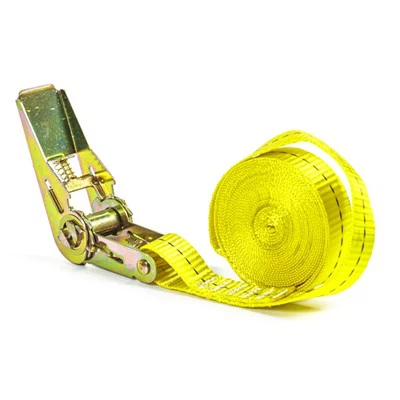
As a seasoned supplier of Ratchet Tie Downs, I've encountered numerous inquiries from customers regarding the usability of these essential tools in hot weather conditions. This blog aims to provide a comprehensive and scientific exploration of this topic, equipping you with the knowledge needed to make informed decisions.
Understanding Ratchet Tie Downs
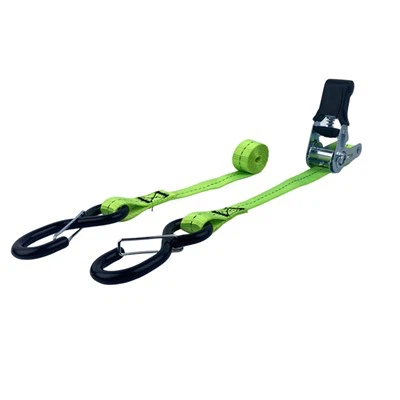
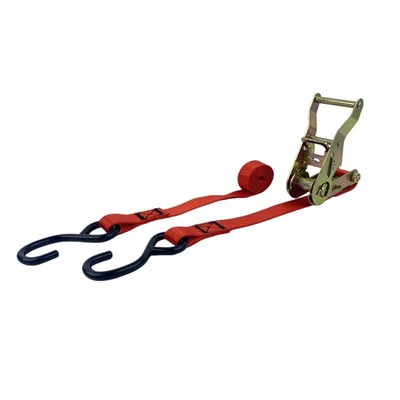
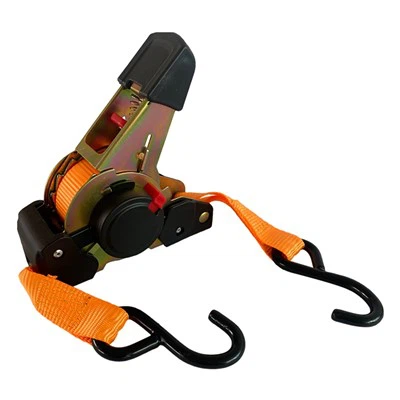
Before delving into the impact of hot weather, it's crucial to understand the components and functionality of ratchet tie downs. These devices typically consist of a ratchet mechanism, a strap, and end fittings such as hooks. The ratchet allows for easy tensioning of the strap, enabling secure fastening of cargo during transportation.
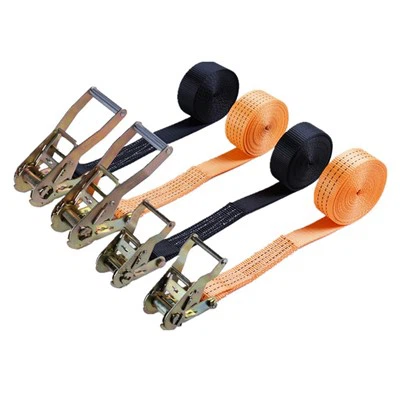
Ratchet tie downs come in various types and sizes to suit different applications. For heavy - duty tasks, Heavy Ratchet Straps are designed to handle substantial loads. Lashing Straps with Hooks offer flexibility and are commonly used in securing irregularly shaped cargo. And Heavy Duty Ratchet Straps with Hooks combine strength and the convenience of hooks for easy attachment.
The Impact of Hot Weather on Ratchet Tie Downs
Effect on Straps
The strap is a critical component of ratchet tie downs, and hot weather can have several effects on it. Most ratchet tie down straps are made from materials such as polyester or nylon. Polyester is known for its excellent strength and resistance to UV rays, while nylon is more elastic.
In high temperatures, the molecular structure of these materials can be affected. Heat can cause the polymer chains in the straps to expand. This expansion may lead to a slight decrease in the strap's tensile strength. Over time, continuous exposure to high temperatures can also cause the material to become brittle. Brittle straps are more prone to cracking and breaking, which can compromise the safety of your cargo.
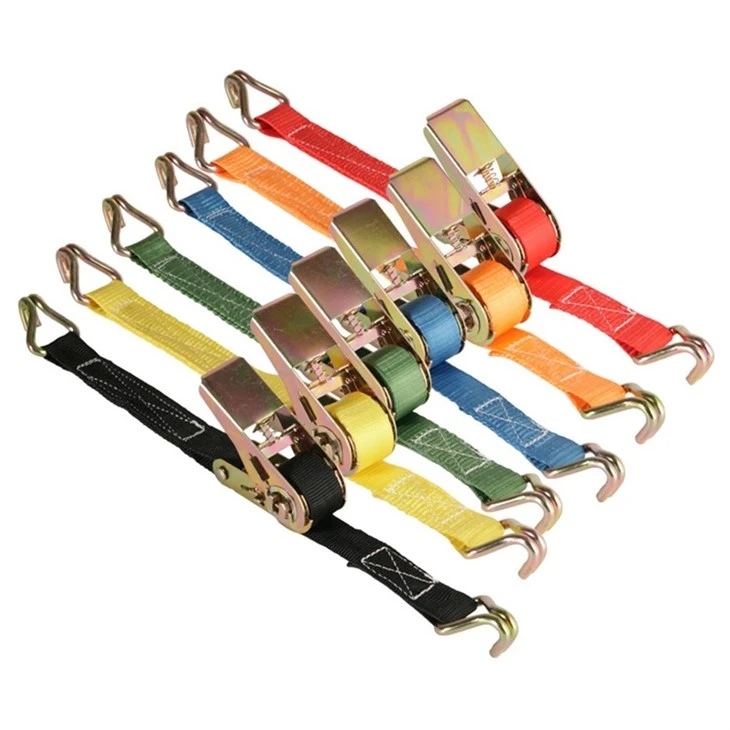

Impact on the Ratchet Mechanism
The ratchet mechanism is another area that can be influenced by hot weather. The metal components of the ratchet can expand when heated. This expansion may cause the ratchet to become less precise in its operation. The teeth of the ratchet may not engage as smoothly, leading to difficulty in tightening or loosening the strap.
In addition, hot weather can accelerate the process of corrosion if the ratchet is not properly protected. Corrosion can make the ratchet parts stick or jam, rendering the tie - down ineffective.
Influence on Hooks and End Fittings
Hooks and other end fittings are usually made of metal. Similar to the ratchet mechanism, heat can cause them to expand. This expansion may affect the fit and grip of the hooks. If the hooks do not hold tightly, there is a risk of the cargo coming loose during transit.
Moreover, like the ratchet, the metal hooks are also susceptible to corrosion in hot and humid conditions. Rust can weaken the hooks and reduce their load - bearing capacity.
Mitigating the Effects of Hot Weather
Material Selection
When choosing ratchet tie downs for use in hot weather, it's essential to select high - quality materials. As mentioned earlier, polyester straps are a good choice due to their better UV resistance and relatively stable performance in high temperatures. Look for straps that are specifically designed for outdoor and high - temperature use.
Proper Storage
Proper storage can significantly extend the lifespan of ratchet tie downs in hot weather. When not in use, store the tie downs in a cool, dry place. Avoid leaving them exposed to direct sunlight for extended periods. A shaded storage area or a storage container can protect the tie downs from the heat and UV rays.
Regular Inspection
Regular inspection is crucial, especially in hot weather. Check the straps for any signs of wear, such as fraying, cracking, or discoloration. Inspect the ratchet mechanism to ensure that it operates smoothly. Examine the hooks for any signs of corrosion or damage. If any issues are detected, replace the damaged parts immediately.
Lubrication
Applying a suitable lubricant to the ratchet mechanism can help prevent jamming and reduce the effects of heat - induced expansion. Use a lubricant that is designed for metal components and can withstand high temperatures. This will keep the ratchet operating smoothly and extend its lifespan.
Testing and Certification
To ensure the reliability of ratchet tie downs in hot weather, it's important to choose products that have undergone proper testing. Look for tie downs that meet industry standards and certifications. These standards often include tests for strength, durability, and performance under various environmental conditions, including high temperatures.
Conclusion
In conclusion, ratchet tie downs can be used in hot weather, but it's essential to be aware of the potential challenges and take appropriate measures to mitigate them. By understanding the impact of hot weather on the different components of ratchet tie downs, selecting the right materials, storing them properly, conducting regular inspections, and using products with proper testing and certification, you can ensure the safe and effective use of these tools.
If you're in the market for high - quality ratchet tie downs that are suitable for hot weather conditions, we're here to help. Our wide range of products, including Heavy Ratchet Straps, Lashing Straps with Hooks, and Heavy Duty Ratchet Straps with Hooks, are designed to meet the highest standards of quality and performance. Contact us to discuss your specific requirements and let's start a procurement negotiation to find the perfect ratchet tie downs for your needs.
References
- American Society for Testing and Materials (ASTM) standards related to ratchet tie downs and materials.
- Manufacturer's technical documents on the performance of ratchet tie down components in different environmental conditions.