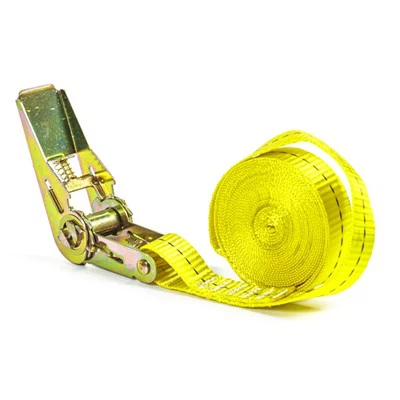
Do load tie down straps have a locking mechanism? This is a question that often comes up among those involved in transporting goods, whether it's for personal moving or commercial hauling. As a supplier of Load Tie Down Straps, I'm here to shed some light on this important topic.
Understanding Load Tie Down Straps
Load tie down straps are essential tools for securing cargo during transportation. They come in various types, lengths, and strengths to accommodate different needs. From securing small items in a pickup truck to large machinery on a flatbed trailer, these straps play a crucial role in ensuring the safety of both the cargo and other road users.
The Role of Locking Mechanisms
A locking mechanism in load tie down straps is designed to keep the strap tight and prevent it from loosening during transit. This is especially important when dealing with heavy or bulky items that can shift under the influence of vibrations, bumps, or sudden stops. Without a proper locking mechanism, the cargo may become unsecured, leading to potential damage, accidents, or even legal issues.
Types of Locking Mechanisms
There are several types of locking mechanisms used in load tie down straps, each with its own advantages and disadvantages.
Ratchet Locking Mechanism
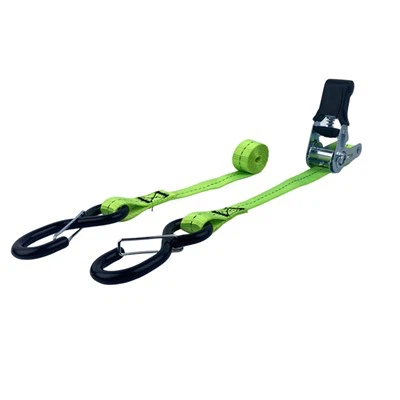
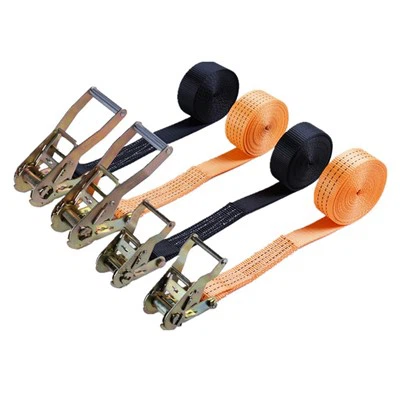
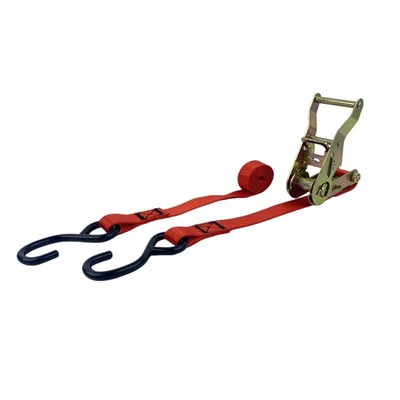
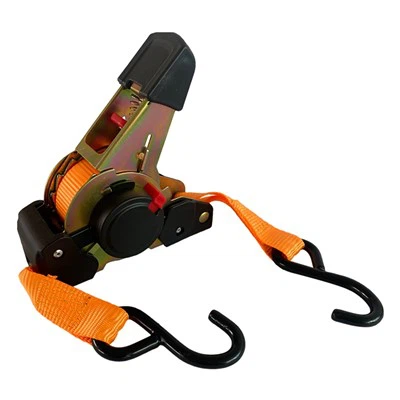
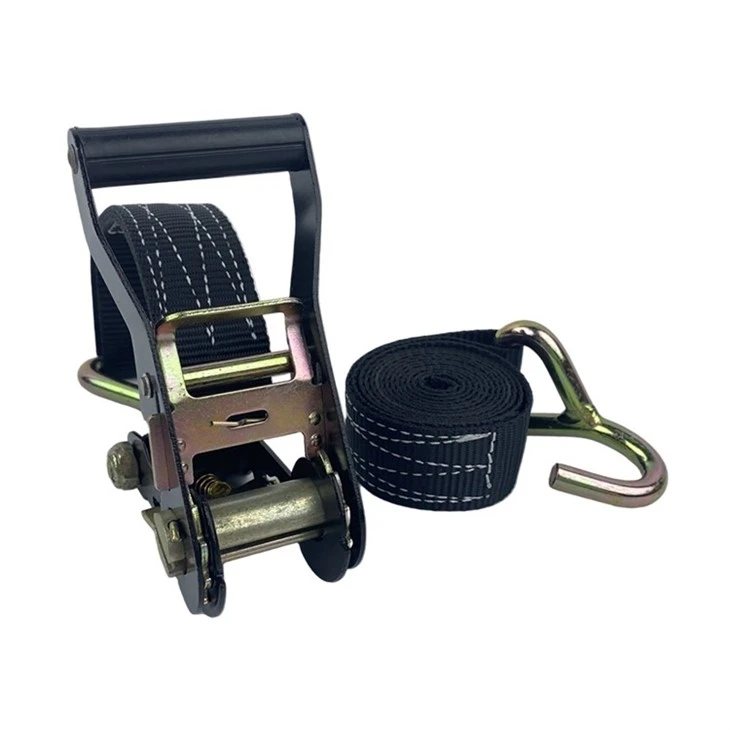
One of the most common types of locking mechanisms is the ratchet. Ratchet straps are widely used in the industry due to their strength and ease of use. The ratchet consists of a handle, a gear, and a pawl. When the handle is turned, the gear engages with the pawl, tightening the strap. To release the strap, the pawl is disengaged, allowing the gear to turn freely.
Ratchet straps are known for their high tension capabilities, making them suitable for securing heavy loads. They are also adjustable, allowing you to tighten or loosen the strap as needed. For example, our Vehicle Ratchet Straps are equipped with a reliable ratchet locking mechanism, providing a secure hold for vehicles during transportation.
Cam Buckle Locking Mechanism
Another type of locking mechanism is the cam buckle. Cam buckle straps are simpler and more lightweight compared to ratchet straps. They work by using a cam to grip the strap, holding it in place. To tighten the strap, you simply pull the free end through the buckle until it reaches the desired tension. To release the strap, you lift the cam, allowing the strap to slide out.
Cam buckle straps are ideal for lighter loads and applications where quick adjustment is required. They are commonly used for securing small items, such as bicycles, furniture, or boxes. Our Short Tie Down Straps with Hooks feature a cam buckle locking mechanism, providing a convenient and reliable way to secure small cargo.
Twist Locking Mechanism
Some load tie down straps use a twist locking mechanism. This type of mechanism involves twisting a portion of the strap to create a tight loop, which holds the cargo in place. Twist locking straps are often used in applications where a more flexible and adjustable solution is needed. They are easy to use and can be quickly adjusted to fit different sizes and shapes of cargo.
Benefits of Locking Mechanisms
The use of a locking mechanism in load tie down straps offers several benefits.
Enhanced Safety
The primary benefit of a locking mechanism is enhanced safety. By keeping the strap tight, the locking mechanism prevents the cargo from shifting or falling during transit. This reduces the risk of accidents and damage to the cargo, as well as other vehicles on the road.
Improved Stability
A locking mechanism also improves the stability of the cargo. When the strap is securely locked, it distributes the weight of the cargo evenly, reducing the stress on individual components. This helps to prevent the cargo from tipping over or becoming unbalanced, especially when driving on uneven surfaces or around corners.
Ease of Use
Most locking mechanisms are designed to be easy to use, even for those with limited experience. Whether it's a ratchet, cam buckle, or twist lock, these mechanisms can be operated quickly and efficiently, saving time and effort during the loading and unloading process.

Factors to Consider When Choosing Load Tie Down Straps with Locking Mechanisms
When choosing load tie down straps with locking mechanisms, there are several factors to consider.
Load Capacity
The load capacity of the strap is one of the most important factors to consider. You need to choose a strap that can handle the weight of your cargo. Make sure to check the working load limit (WLL) and break strength of the strap before making a purchase. Our Heavy Ratchet Straps are designed to handle heavy loads, with a high WLL and break strength.
Type of Locking Mechanism
As mentioned earlier, there are different types of locking mechanisms available. Consider the type of cargo you will be securing and the level of tension required. Ratchet straps are suitable for heavy loads, while cam buckle straps are better for lighter loads. Twist locking straps offer a more flexible and adjustable solution.
Quality and Durability
The quality and durability of the strap are also important factors. Look for straps made from high-quality materials, such as polyester or nylon, which are resistant to abrasion, UV rays, and chemicals. The locking mechanism should also be made from strong and reliable materials, ensuring long-lasting performance.
Conclusion
In conclusion, load tie down straps do have locking mechanisms, and these mechanisms play a crucial role in ensuring the safety and stability of the cargo during transportation. Whether you choose a ratchet, cam buckle, or twist locking mechanism, make sure to consider the load capacity, type of locking mechanism, and quality and durability of the strap.
As a supplier of Load Tie Down Straps, we offer a wide range of products with different locking mechanisms to meet your specific needs. If you have any questions or need further information about our products, please feel free to contact us for a purchase and consultation. We are here to help you find the best solution for your cargo securing needs.
References
- American Society of Mechanical Engineers (ASME). (2018). B30.9 - Slings.
- Occupational Safety and Health Administration (OSHA). (2019). 1926.250 - Slings.
- National Highway Traffic Safety Administration (NHTSA). (2020). Cargo Securement Rules.