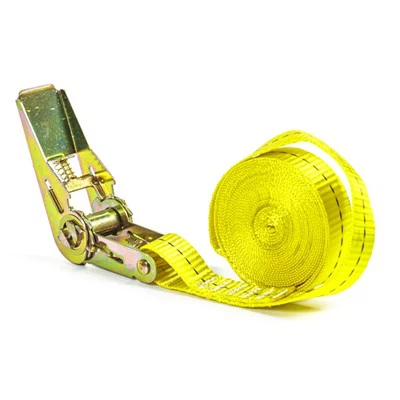
Hey there! As a supplier of Tractor Tie Down Straps, I often get asked all sorts of questions about these handy tools. One question that comes up quite a bit is, "Do tractor tie down straps need to be lubricated?" Well, let's dig into this topic and find out.
First off, let's understand what tractor tie down straps are and what they do. These straps are essential for securing tractors during transportation. Whether you're moving a tractor to a new farm, taking it to a repair shop, or transporting it to a trade show, you need reliable tie down straps to keep it in place. They prevent the tractor from shifting, sliding, or even falling off the trailer, which can cause serious damage to the tractor and pose a significant safety risk on the road.
Now, onto the lubrication question. In general, most tractor tie down straps don't require lubrication. These straps are typically made from high - strength materials like polyester webbing. Polyester is known for its durability, resistance to abrasion, and ability to withstand harsh environmental conditions. The webbing part of the strap doesn't benefit much from lubrication. In fact, adding lubricants to the webbing can attract dirt and debris, which might actually degrade the material over time.
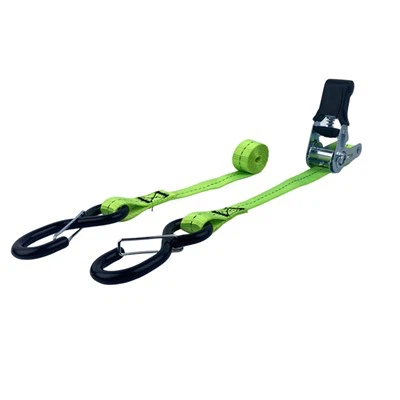
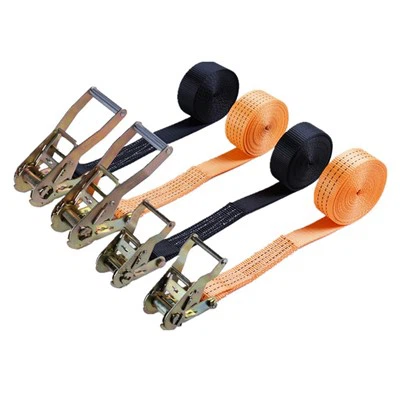
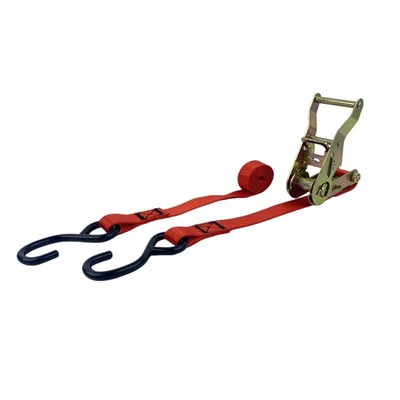
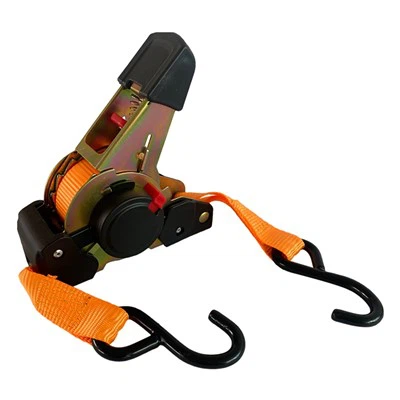
However, there are parts of the tie down straps where lubrication can be beneficial. The ratchet mechanism, which is used to tighten and loosen the strap, is one such part. The ratchet has moving parts, like gears and pawls. Over time, these parts can experience friction, which can make the ratchet harder to operate. Lubricating the ratchet can reduce this friction, making it easier to tighten and loosen the strap. A well - lubricated ratchet also has a longer lifespan, as it experiences less wear and tear.
When it comes to lubricating the ratchet, you need to be careful about the type of lubricant you use. A light - weight, non - corrosive lubricant is ideal. Avoid using heavy greases or oils that can attract dust and grime. Silicone - based lubricants are a great choice. They provide smooth operation, resist moisture, and don't leave a sticky residue.
To lubricate the ratchet, you first need to clean it. Use a dry cloth to wipe away any dirt or debris from the ratchet mechanism. Then, apply a small amount of the lubricant to the gears and pawls. You can use a small brush or a spray bottle to apply the lubricant evenly. After applying the lubricant, work the ratchet back and forth a few times to distribute the lubricant throughout the moving parts.
Now, let's talk about the different types of tractor tie down straps we offer. We have Automotive Tie Down Straps that are not only suitable for tractors but also for other vehicles. These straps are designed with high - quality materials to ensure maximum strength and reliability. They come in various lengths and load capacities to meet different needs.
Our Heavy Duty Ratchet Tie Down Straps are built to handle the toughest jobs. If you're transporting large, heavy tractors, these are the straps you need. They have a high breaking strength and are designed to withstand extreme tension.
And then we have Lashing Straps with Hooks. These straps are very versatile. The hooks make it easy to attach the straps to different parts of the tractor and the trailer. They are also great for securing other equipment along with the tractor.


Regular maintenance of your tractor tie down straps is crucial, whether you're lubricating the ratchet or just inspecting the webbing for signs of wear. Check the webbing for cuts, frays, or signs of excessive stretching. If you notice any damage, it's time to replace the strap. A damaged strap can fail when you least expect it, putting your tractor and your safety at risk.
In addition to lubricating the ratchet, you should also store your tie down straps properly. Keep them in a dry, cool place away from direct sunlight. Exposure to sunlight can cause the webbing to fade and weaken over time. If you're storing the straps for an extended period, it's a good idea to coil them neatly and secure them with a small piece of tape or a zip tie.
To sum it up, while the webbing of tractor tie down straps generally doesn't need lubrication, the ratchet mechanism can benefit from it. Using the right lubricant and following the proper lubrication procedure can make your tie down straps last longer and work more efficiently.
If you're in the market for high - quality tractor tie down straps or have any questions about their maintenance, don't hesitate to reach out. We're here to help you find the best solution for your tractor transportation needs. Whether you're a farmer, a contractor, or someone who just needs to move a tractor occasionally, we have the right straps for you. Contact us today to start the conversation about your tie down strap requirements.
References
- General knowledge about tie down straps and their maintenance from industry experience.
- Information on materials and lubricants from product manufacturers' guidelines.