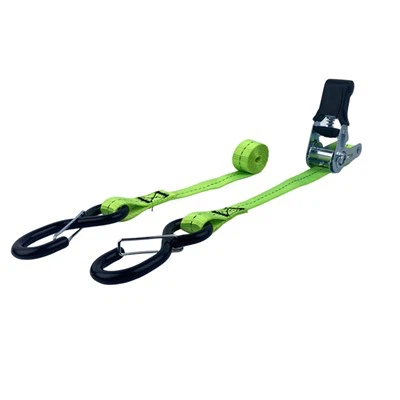
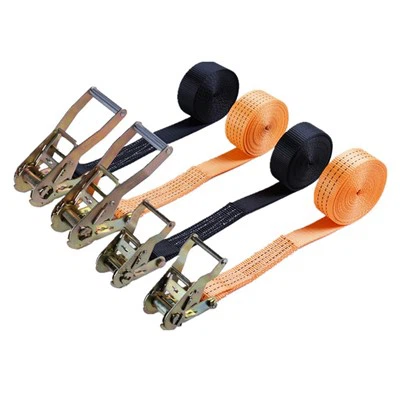
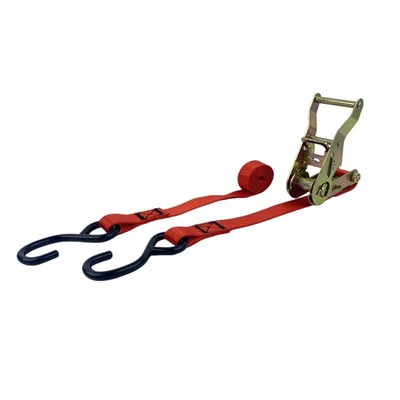
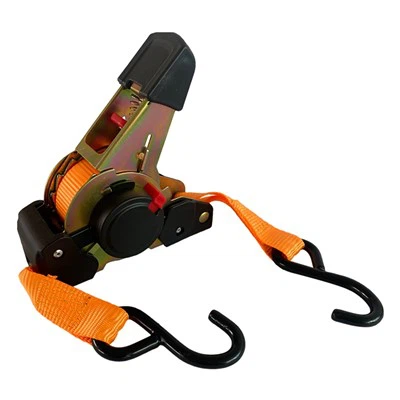
As a supplier of Lashing Straps with Hooks, I understand the importance of properly attaching these straps to a pallet. Whether you're transporting goods across town or across the country, securing your cargo is crucial to prevent damage and ensure safety. In this blog post, I'll walk you through the step-by-step process of attaching Lashing Straps with Hooks to a pallet, providing you with the knowledge and confidence to do it right.
Step 1: Choose the Right Straps
Before you begin, it's essential to select the appropriate Lashing Straps with Hooks for your pallet. Consider the weight and size of your cargo, as well as the type of transportation you'll be using. For heavier loads or long-distance shipments, you may need straps with a higher weight capacity. Additionally, make sure the hooks are compatible with the pallet and the cargo you're securing.


If you're in the market for high-quality Lashing Straps with Hooks, we offer a wide range of options to suit your needs. Our Motorcycle Cargo Straps are perfect for securing motorcycles and other small vehicles, while our Cargo Buckle Ratchet Straps are ideal for general cargo. For larger loads, our Box Truck Cargo Straps provide the strength and stability you need.
Step 2: Prepare the Pallet
Once you've chosen the right straps, it's time to prepare the pallet. Start by ensuring that the pallet is clean and free of any debris or damage. If the pallet has any sharp edges or protrusions, cover them with padding to prevent the straps from being damaged.
Next, position the pallet in a stable location where you can easily access all sides. If you're using a forklift or other equipment to move the pallet, make sure it's properly secured and stable before you begin attaching the straps.
Step 3: Attach the Hooks
Now it's time to attach the hooks to the pallet. Start by identifying the attachment points on the pallet. These are typically located at the corners or along the edges. Make sure the hooks are securely attached to the pallet, and that they're positioned in a way that will allow the straps to be tightened evenly.
If you're using ratchet straps, thread the strap through the hook and pull it tight. Then, use the ratchet mechanism to tighten the strap until it's snug against the cargo. Make sure the strap is not twisted or kinked, as this can reduce its strength and effectiveness.
Step 4: Cross the Straps
Once the hooks are attached, it's time to cross the straps. This helps to distribute the weight of the cargo evenly and prevent it from shifting during transportation. To cross the straps, simply thread one strap over the top of the cargo and under the other strap. Then, pull the straps tight and secure them using the ratchet mechanism.
Step 5: Check the Tension
After you've attached and crossed the straps, it's important to check the tension. Make sure the straps are tight enough to hold the cargo in place, but not so tight that they damage the pallet or the cargo. You can use a tension gauge to measure the tension of the straps, or simply pull on the straps to see if they're secure.
Step 6: Secure the Excess Strap
Once you've tightened the straps, there may be some excess strap remaining. To prevent the excess strap from flapping in the wind or getting caught on other objects, secure it using a strap cutter or a buckle. Make sure the excess strap is neatly tucked away and does not pose a safety hazard.
Step 7: Inspect the Straps
Before you transport the pallet, it's important to inspect the straps to make sure they're in good condition. Check for any signs of wear or damage, such as fraying or cuts. If you notice any issues, replace the straps immediately to ensure the safety of your cargo.
Step 8: Monitor the Straps During Transportation
Once the pallet is loaded and ready to go, it's important to monitor the straps during transportation. Check the tension of the straps periodically to make sure they're still tight and secure. If you notice any changes in the tension or if the straps appear to be damaged, stop the vehicle and make the necessary adjustments.
Conclusion
Attaching Lashing Straps with Hooks to a pallet is a simple process that can help you secure your cargo and prevent damage during transportation. By following these steps and using high-quality straps, you can ensure the safety of your cargo and give yourself peace of mind.
If you're in the market for Lashing Straps with Hooks, we're here to help. Our team of experts can help you choose the right straps for your needs and provide you with the support and guidance you need to attach them properly. Contact us today to learn more about our products and services, and to start securing your cargo with confidence.
References
- "Cargo Securement Rules." Federal Motor Carrier Safety Administration.
- "How to Use Ratchet Straps." eHow.
- "Pallet Strapping Guide." Packaging World.