Hey there! As a supplier of Extra Long Ratchet Straps, I've seen my fair share of folks struggling with releasing the tension on these things. It can be a real pain in the neck if you don't know what you're doing, but don't worry – I'm here to share some tips and tricks to make the process a whole lot easier.


First off, let's talk about why you might need to release the tension on extra long ratchet straps. Maybe you're unloading a piece of equipment from a trailer, or perhaps you're repositioning some cargo. Whatever the reason, it's important to do it safely and efficiently.
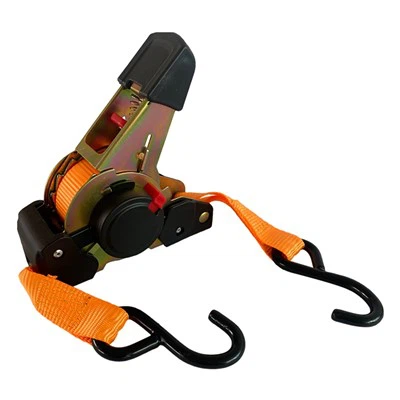
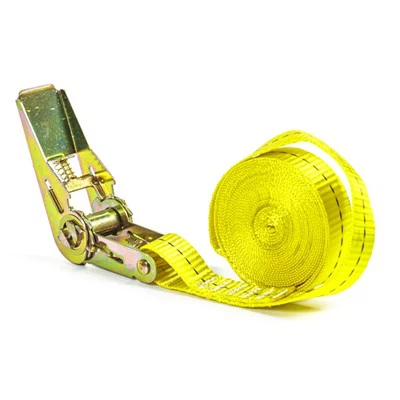
One of the most common mistakes people make when trying to release the tension is not understanding how the ratchet mechanism works. The ratchet is designed to hold the strap tight, and it has a pawl that engages with the teeth of the ratchet wheel. To release the tension, you need to disengage the pawl from the teeth.
Most ratchet straps have a release lever that you can pull to disengage the pawl. This is usually located on the side of the ratchet. When you pull the lever, you'll hear a clicking sound as the pawl disengages from the teeth. Once the pawl is disengaged, you should be able to start releasing the strap.
However, sometimes the strap can be so tight that the release lever won't work properly. This can happen if the strap has been over-tightened or if there's a lot of pressure on it. In this case, you'll need to use a little more force to disengage the pawl. You can try gently wiggling the strap back and forth while pulling the release lever. This can help to relieve some of the pressure and make it easier to disengage the pawl.
Another trick is to use a tool to help you release the tension. A small pry bar or a flathead screwdriver can be useful in these situations. Just insert the tool between the ratchet and the strap and gently pry the ratchet open. Be careful not to use too much force, as you don't want to damage the ratchet or the strap.
It's also important to make sure that you're releasing the tension in a safe way. Always make sure that the cargo is properly secured before you start releasing the tension. If you're working on a trailer, make sure that the trailer is parked on a level surface and that the brakes are engaged.
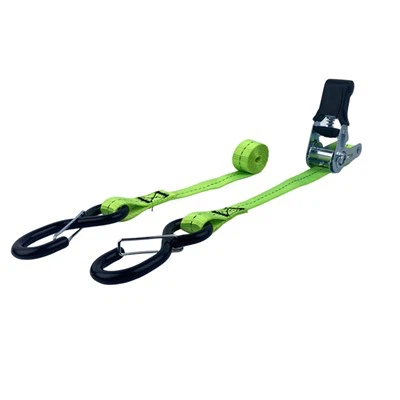
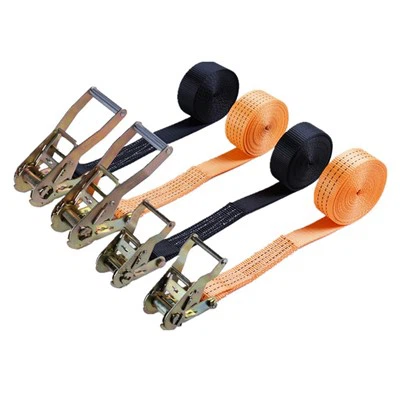
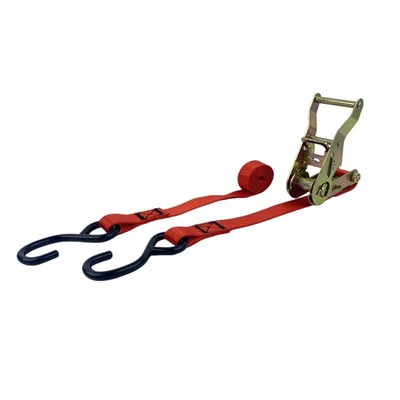
Now, let's talk about the different types of ratchet straps that we offer. We have a wide range of Ratchet Rope Straps that are perfect for a variety of applications. These straps are made from high-quality materials and are designed to be strong and durable. They're also easy to use, with a simple ratchet mechanism that allows you to quickly and easily tighten and release the tension.
In addition to our ratchet rope straps, we also offer Automotive Tie Down Straps. These straps are specifically designed for use in the automotive industry and are perfect for securing cars, trucks, and other vehicles during transport. They're available in a variety of lengths and strengths, so you can choose the one that's right for your needs.
Finally, we have Rope Tie Down Straps. These straps are a great option for lighter loads and are often used in camping, boating, and other outdoor activities. They're made from strong, flexible rope and are easy to tie and untie.
So, there you have it – some tips and tricks for releasing the tension on extra long ratchet straps. I hope this information has been helpful. If you have any questions or if you're interested in purchasing our ratchet straps, please don't hesitate to reach out. We're here to help you find the perfect solution for your needs.
References
- General knowledge of ratchet strap mechanics and usage in the industry