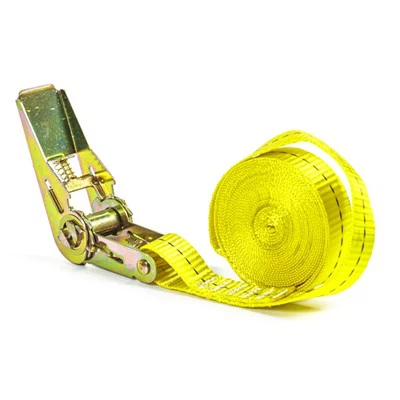
Selecting the right lashing strap with hooks for a specific load shape is a crucial task that requires careful consideration. As a supplier of lashing straps with hooks, I understand the importance of providing the right products to meet the diverse needs of our customers. In this blog post, I will share some insights on how to choose the appropriate lashing strap for different load shapes, ensuring safety and efficiency in your cargo securing operations.
Understanding the Basics of Lashing Straps with Hooks
Lashing straps with hooks are essential tools for securing cargo during transportation. They consist of a strap made of high - strength materials such as polyester or nylon, and hooks at both ends for easy attachment to the load and the vehicle or storage structure. The key features to consider when selecting a lashing strap include its working load limit (WLL), length, width, and the type of hooks.
The working load limit is the maximum weight that the strap can safely handle under normal conditions. It is important to choose a strap with a WLL that exceeds the weight of the load to ensure safety. The length of the strap should be sufficient to reach from the attachment point on the vehicle to the load and provide enough slack for tightening. The width of the strap affects its strength and resistance to abrasion, with wider straps generally being more durable.
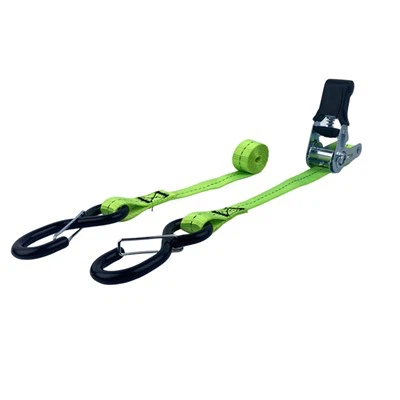
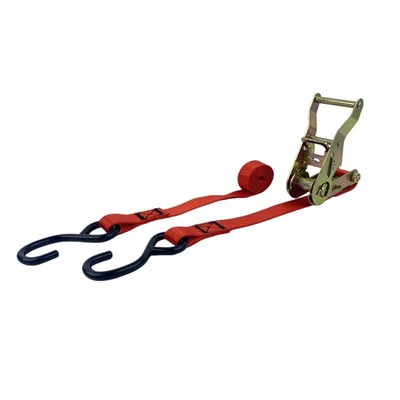
There are different types of hooks available, such as J - hooks, S - hooks, and grab hooks. J - hooks are commonly used for general cargo and are easy to attach and remove. S - hooks are versatile and can be used in various applications. Grab hooks have a locking mechanism that provides a more secure attachment, making them suitable for heavy - duty loads.
Selecting Straps for Different Load Shapes
Rectangular or Cuboid Loads
Rectangular or cuboid loads are some of the most common shapes in cargo transportation. For these types of loads, it is important to use straps that can evenly distribute the tension across the load. A good approach is to use multiple straps placed parallel to each other. For example, if you are securing a large rectangular crate, you can use two or more straps running along the length of the crate and one or more straps running across the width.
When choosing the length of the straps, make sure they are long enough to wrap around the load and reach the attachment points on the vehicle. If the load has sharp edges, it is advisable to use edge protectors to prevent the straps from being cut or damaged.
For rectangular loads, J - hooks or S - hooks are often sufficient. These hooks can be easily attached to the edges of the load or to the tie - down points on the vehicle. However, if the load is heavy or subject to significant movement during transportation, grab hooks may be a better choice to ensure a more secure connection.
Circular Loads
Circular loads, such as barrels or pipes, require a different approach to securing. The main challenge is to prevent the load from rolling. One effective method is to use straps that form a criss - cross pattern around the load. This helps to keep the load in place and prevents it from rotating.
You can use straps with grab hooks for circular loads to ensure a tight and secure fit. The length of the straps should be adjusted to fit snugly around the circumference of the load. It may also be necessary to use additional support, such as chocks or cradles, to further stabilize the load.
Irregularly Shaped Loads
Irregularly shaped loads pose a greater challenge in terms of securing. These loads may have uneven surfaces, protrusions, or indentations that make it difficult to apply a standard strapping method. In such cases, it is important to assess the load carefully and determine the best way to distribute the tension.
One approach is to use multiple straps of different lengths and angles to conform to the shape of the load. You may need to use a combination of different types of hooks to attach the straps to the load and the vehicle. For example, you can use S - hooks to attach the straps to the irregular parts of the load and grab hooks to secure the straps to the vehicle.
It is also important to use padding or cushioning materials to protect the load and the straps from damage. This can help to prevent abrasion and ensure a more secure connection.


Special Considerations for Different Types of Cargo
Heavy - Duty Loads
For heavy - duty loads, such as construction equipment or large machinery, it is essential to use high - strength lashing straps. 5 Ton Straps are designed to handle heavy weights and provide a reliable securing solution. These straps often have a higher working load limit and are made of more durable materials.
When securing heavy - duty loads, it is important to use multiple straps and ensure that they are evenly tightened. Grab hooks are recommended for heavy - duty loads as they provide a more secure attachment and prevent the hooks from coming loose during transportation.
Fragile Loads
Fragile loads require special care when it comes to securing. The goal is to prevent the load from moving or being damaged during transportation. You can use soft - edged straps or add padding to the straps to protect the load. Additionally, it is important to use a gentle tightening method to avoid applying too much pressure on the load.
For fragile loads, J - hooks or S - hooks are often sufficient as they allow for easy attachment and removal without causing excessive force on the load. You may also consider using straps with a lower working load limit to ensure that the load is not over - tightened.
Motorcycles
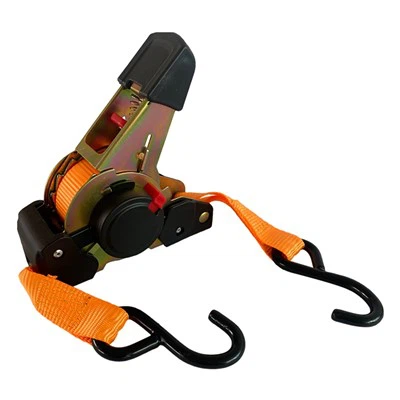
Motorcycles require a specific type of lashing strap for secure transportation. Motorcycle Ratchet Tie Down Straps are designed to fit the unique shape of motorcycles and provide a secure hold. These straps usually have padded hooks or protectors to prevent damage to the motorcycle's paint or frame.
When securing a motorcycle, it is important to use at least two straps, one for the front and one for the rear. The straps should be attached to the motorcycle's frame or designated tie - down points. Make sure to tighten the straps evenly to prevent the motorcycle from tipping or shifting during transportation.
The Importance of Professional Straps
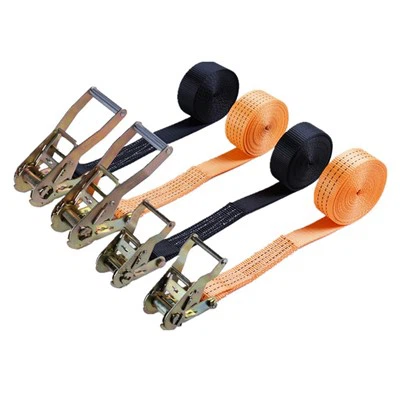
Using professional lashing straps is crucial for ensuring the safety of your cargo and the vehicle. Professional Ratchet Straps are designed and manufactured to meet strict quality standards. They are made of high - quality materials that can withstand the rigors of transportation, including exposure to sunlight, moisture, and abrasion.
Professional ratchet straps also have a reliable tightening mechanism that allows for easy and precise adjustment of the tension. This ensures that the load is properly secured and reduces the risk of the straps coming loose during transit.
Conclusion
Selecting the right lashing strap with hooks for a specific load shape is a complex but essential task. By understanding the characteristics of different load shapes, the types of hooks available, and the special considerations for different types of cargo, you can make an informed decision when choosing a lashing strap.
As a supplier of lashing straps with hooks, we are committed to providing high - quality products that meet the diverse needs of our customers. Whether you are transporting rectangular loads, circular loads, or irregularly shaped cargo, we have the right straps for you. If you have any questions or need assistance in selecting the appropriate lashing straps for your specific application, please do not hesitate to contact us. We look forward to working with you to ensure the safe and efficient transportation of your cargo.
References
- "Cargo Securement Handbook" by the Federal Motor Carrier Safety Administration
- "Guide to Lashing and Securing Cargo" by industry - leading transportation safety organizations.