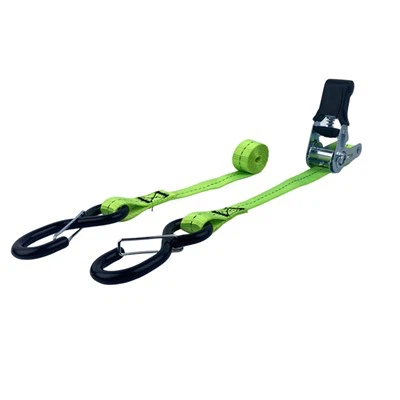
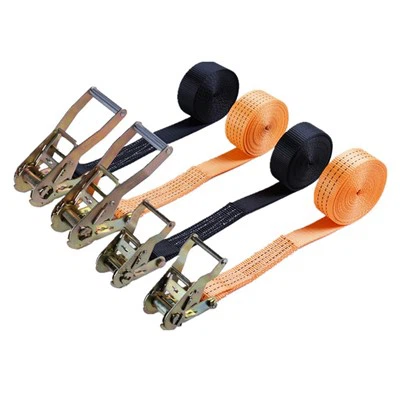
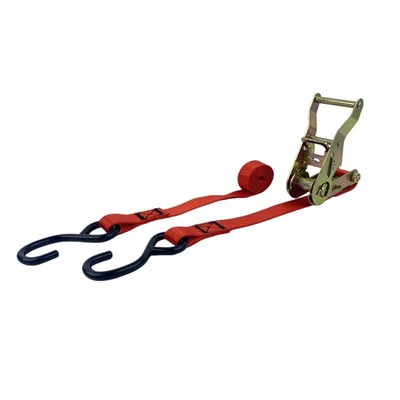
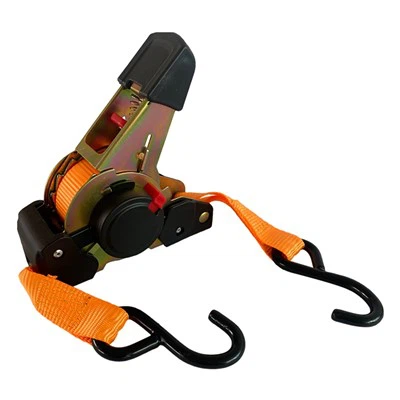
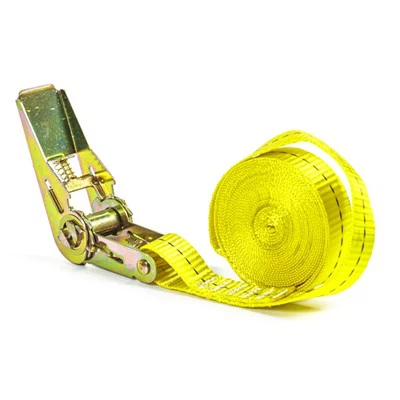
Hey there! As a heavy ratchet straps supplier, I've seen firsthand how important it is to adjust the tension on these straps correctly. Whether you're securing cargo for a long - haul trucking job, tying down equipment on a trailer, or using them in a marine environment, getting the right tension is crucial for safety and efficiency. In this blog, I'll walk you through the steps of adjusting the tension on heavy ratchet straps.
Understanding the Basics of Heavy Ratchet Straps
Before we jump into adjusting the tension, let's quickly go over what heavy ratchet straps are. These straps are made of strong webbing material, usually polyester, and come with a ratchet mechanism. The ratchet allows you to tighten and loosen the strap easily. The heavy - duty version is designed to handle larger and heavier loads compared to regular straps.
One of the great things about heavy ratchet straps is their versatility. You can use them in various industries. For example, Marine Ratchet Straps are specifically designed for use on boats and other marine vessels. They're built to withstand the harsh marine environment, including saltwater and UV rays. On the other hand, Rope Tie Down Straps offer a bit more flexibility and are often used for lighter - weight or oddly - shaped items.
Tools You'll Need
To adjust the tension on heavy ratchet straps, you don't need a whole bunch of fancy tools. Here's what you'll need:
- The Ratchet Strap Itself: Make sure it's in good condition, with no signs of wear and tear on the webbing or damage to the ratchet mechanism.
- A Flat Surface: This is important for safety and to ensure an even tension across the strap.
- Optional: Ratchet Strap Tensioner: This tool can make the process of tightening the strap a bit easier, especially for really heavy loads.
Step - by - Step Guide to Adjusting Tension
Step 1: Inspect the Strap
Before you start using the strap, give it a good once - over. Check the webbing for any cuts, frays, or weak spots. Also, make sure the ratchet mechanism moves smoothly. If you notice any issues, don't use the strap. A damaged strap can fail under tension, which is a huge safety risk.
Step 2: Position the Strap
Place the strap around the load you want to secure. Make sure the strap is centered and that there are no twists in the webbing. If the strap is twisted, it won't distribute the tension evenly, and it could break more easily.
Step 3: Feed the Webbing Through the Ratchet
Open the ratchet handle to its fully open position. Then, feed the end of the webbing through the ratchet mechanism. Pull the webbing through until there's enough slack to go around the load and back to the ratchet.
Step 4: Start Tightening
Once the webbing is in place, start closing the ratchet handle. As you do this, the ratchet will start to pull the webbing through and tighten the strap around the load. Keep closing the handle in short, quick motions. You'll feel the strap getting tighter with each click of the ratchet.
Step 5: Check the Tension
After a few pulls of the ratchet handle, stop and check the tension on the strap. You want the strap to be tight enough to hold the load securely, but not so tight that it damages the load or the strap itself. You can use your hands to feel the tightness of the webbing. If it's too loose, keep tightening the ratchet.
Step 6: Use a Tensioner (Optional)
If you're dealing with a very heavy load or you're having trouble getting the strap tight enough, you can use a Ratchet Strap Tensioner. Attach the tensioner to the ratchet and use it to apply more force when closing the ratchet handle. This can help you achieve a higher level of tension.
Step 7: Final Check
Once you think you've achieved the right tension, give the load a little shake. If the load moves or the strap feels loose, keep tightening the ratchet. If everything seems secure, you're good to go.
Tips for Adjusting Tension
- Don't Over - Tighten: Over - tightening the strap can cause damage to the load, the strap, or both. It can also put unnecessary stress on the ratchet mechanism, which could lead to failure.
- Use Multiple Straps: For larger or heavier loads, it's often a good idea to use multiple ratchet straps. This distributes the weight evenly and provides more secure fastening.
- Check Regularly: Even after you've secured the load, it's a good idea to check the tension on the straps periodically, especially during long trips. Vibration and movement can cause the straps to loosen over time.
Safety First
Adjusting the tension on heavy ratchet straps can be dangerous if not done correctly. Here are some safety tips:
- Wear Gloves: This can protect your hands from the rough webbing and the sharp edges of the ratchet mechanism.
- Keep Your Fingers Clear: When closing the ratchet handle, make sure your fingers are out of the way. The ratchet can close quickly and pinch your fingers.
- Work on a Stable Surface: As mentioned earlier, working on a flat and stable surface reduces the risk of accidents.
Why Choose Our Heavy Ratchet Straps
As a supplier, I can tell you that our heavy ratchet straps are top - notch. We use high - quality materials and strict manufacturing processes to ensure that our straps are strong, durable, and reliable. Whether you need Marine Ratchet Straps for your boat or Rope Tie Down Straps for a light - duty job, we've got you covered.
If you're in the market for heavy ratchet straps or have any questions about adjusting the tension, don't hesitate to reach out. We're here to help you find the right solution for your needs. Whether you're a small business owner or a large - scale logistics company, we can provide you with the products and support you need.
Conclusion
Adjusting the tension on heavy ratchet straps is a skill that every user should master. By following the steps and tips outlined in this blog, you can ensure that your loads are secured safely and effectively. Remember, safety is always the top priority, so take your time and do it right. If you have any further questions or are interested in purchasing our heavy ratchet straps, feel free to get in touch. We're happy to assist you with your procurement needs and answer any questions you might have.


References
- General knowledge from years of experience in the heavy ratchet straps industry.
- Industry - standard safety guidelines for using ratchet straps.