As a supplier of Ratchet Straps and Tie Downs, I've witnessed firsthand the importance of properly attaching these essential tools to anchor points. Whether you're securing cargo on a trailer, a truck bed, or any other transport vehicle, the correct attachment method ensures safety, stability, and peace of mind. In this blog post, I'll share some expert tips on how to attach ratchet straps and tie downs to anchor points effectively.
Understanding Your Equipment
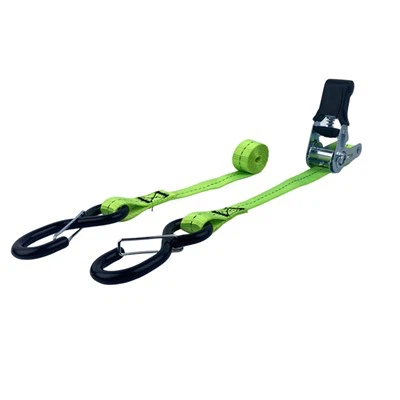
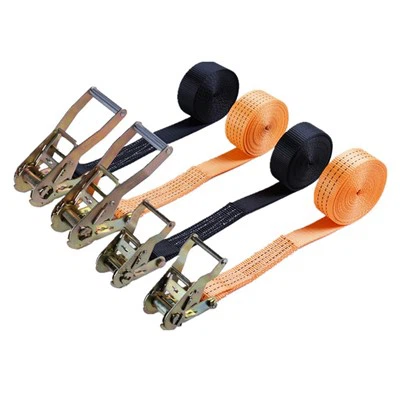
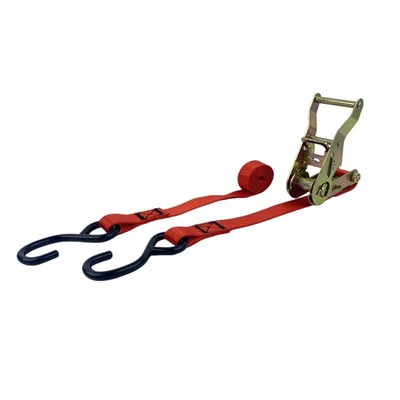
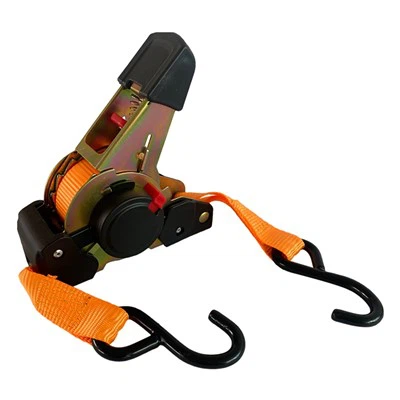
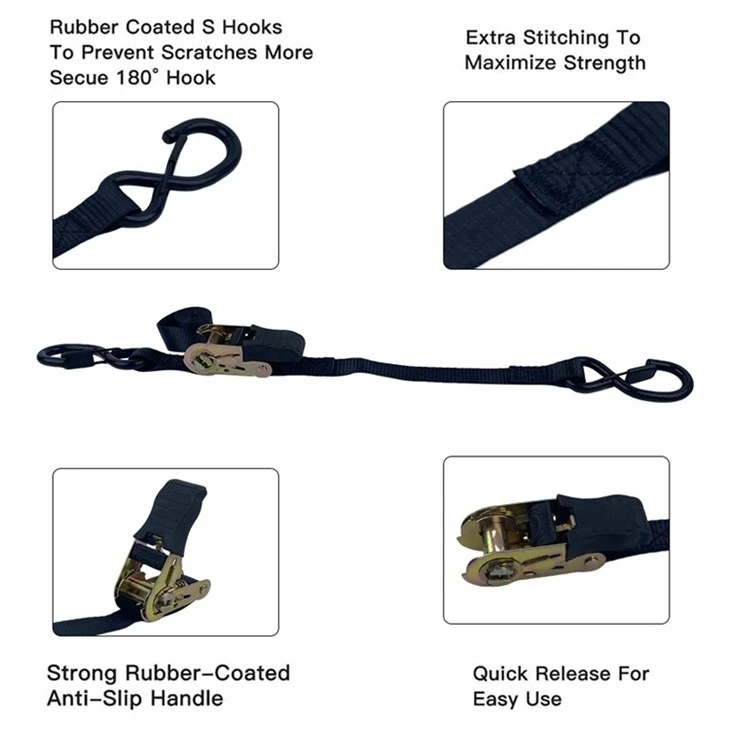
Before you start attaching your ratchet straps and tie downs, it's crucial to understand the equipment you're working with. Ratchet straps are designed to provide a secure and adjustable way to hold down cargo. They typically consist of a strap, a ratchet mechanism, and hooks or other attachment points. Tie downs, on the other hand, can refer to a variety of securing devices, including ropes, chains, and straps.
When choosing ratchet straps and tie downs, consider the weight and size of your cargo, as well as the type of anchor points available. For heavy-duty applications, you might want to consider 5000kg Ratchet Straps, which are designed to handle large and heavy loads. For more flexible options, Ratchet Rope Straps can be a great choice.
Selecting the Right Anchor Points
The first step in attaching ratchet straps and tie downs is to select the right anchor points. Anchor points are the locations on your vehicle or trailer where you'll attach the straps. They should be strong, stable, and capable of withstanding the tension applied by the straps.
Common anchor points include D-rings, E-track systems, and built-in tie-down points on trailers. When using D-rings, make sure they are securely attached to the vehicle or trailer and can support the weight of your cargo. E-track systems are a popular choice because they allow for easy adjustment and attachment of straps at various points.
Before attaching your straps, inspect the anchor points for any signs of damage or wear. If you notice any cracks, rust, or other issues, do not use the anchor point. Instead, find a different location or replace the damaged anchor point.

Attaching the Ratchet Straps
Once you've selected the right anchor points, it's time to attach the ratchet straps. Here's a step-by-step guide on how to do it:
- Open the Ratchet: Start by opening the ratchet mechanism on the strap. This will allow you to feed the strap through the ratchet and adjust its length.
- Feed the Strap Through the Ratchet: Take the loose end of the strap and feed it through the ratchet mechanism. Make sure the strap is threaded correctly and lies flat within the ratchet.
- Attach the Hook to the Anchor Point: Once the strap is threaded through the ratchet, attach the hook at the end of the strap to the selected anchor point. Make sure the hook is securely latched and will not come loose during transport.
- Run the Strap Over the Cargo: Next, run the strap over the top of your cargo, making sure it is centered and covers the widest part of the load. You may need to adjust the length of the strap to ensure a snug fit.
- Attach the Other Hook to the Opposite Anchor Point: Take the other hook on the strap and attach it to the opposite anchor point. Again, make sure the hook is securely latched.
- Tighten the Strap: Once both hooks are attached, start tightening the strap by operating the ratchet mechanism. Pull the handle of the ratchet up and down to draw the strap tight. Keep tightening the strap until it is snug against the cargo and there is no slack.
Using Tie Downs for Additional Support
In some cases, you may need to use tie downs in addition to ratchet straps for extra support. Tie downs can be used to secure the corners of your cargo or to provide additional stability. Here's how to use tie downs effectively:
- Select the Right Tie Downs: Choose tie downs that are appropriate for the weight and size of your cargo. Ropes, chains, and straps are all common types of tie downs.
- Attach the Tie Downs to the Anchor Points: Similar to ratchet straps, attach the tie downs to the selected anchor points. Make sure the tie downs are securely fastened and will not come loose.
- Run the Tie Downs Over the Cargo: Run the tie downs over the top of your cargo, making sure they are evenly spaced and provide support in all areas. You may need to adjust the length of the tie downs to ensure a snug fit.
- Tighten the Tie Downs: Once the tie downs are in place, tighten them using a knot or a tensioning device. Make sure the tie downs are tight enough to hold the cargo in place but not so tight that they damage the load.
Checking the Tension and Security
After attaching the ratchet straps and tie downs, it's important to check the tension and security of the straps regularly. Before you start driving, give the straps a gentle tug to make sure they are tight and secure. During transport, stop periodically to check the straps again and make any necessary adjustments.
If you notice any signs of loosening or damage to the straps, stop immediately and retighten or replace the affected strap. It's better to be safe than sorry when it comes to securing your cargo.
Tips for Safe and Effective Use
Here are some additional tips to help you use ratchet straps and tie downs safely and effectively:
- Use the Right Number of Straps: Make sure you use enough straps to secure your cargo properly. As a general rule, use at least two straps for small loads and four or more for larger loads.
- Distribute the Weight Evenly: When securing your cargo, make sure the weight is distributed evenly across the vehicle or trailer. This will help prevent the cargo from shifting during transport.
- Avoid Overloading: Do not overload your vehicle or trailer. Make sure the weight of your cargo does not exceed the maximum capacity of the vehicle or trailer, as well as the rated capacity of the ratchet straps and tie downs.
- Protect the Cargo: Use padding or protective covers to prevent the ratchet straps and tie downs from damaging your cargo. This is especially important for fragile or sensitive items.
- Store the Straps Properly: After use, store the ratchet straps and tie downs in a dry, cool place. This will help prevent damage and extend their lifespan.
Conclusion
Attaching ratchet straps and tie downs to anchor points is a crucial step in securing your cargo during transport. By following the tips and guidelines outlined in this blog post, you can ensure that your cargo is safe, stable, and secure. Remember to choose the right equipment, select the right anchor points, and follow the proper attachment procedures.
If you're in the market for high-quality ratchet straps and tie downs, we're here to help. As a leading supplier of Cargo Straps For Trailers, we offer a wide range of products to meet your needs. Whether you're looking for heavy-duty straps or flexible rope straps, we have the solution for you.
If you have any questions or would like to discuss your specific requirements, please don't hesitate to contact us. We're always happy to help you find the right products and ensure a safe and successful transport.
References
- "Securing Cargo: A Guide to Using Ratchet Straps and Tie Downs." Transport Safety Authority.
- "How to Properly Attach Ratchet Straps." Cargo Equipment Manufacturers Association.