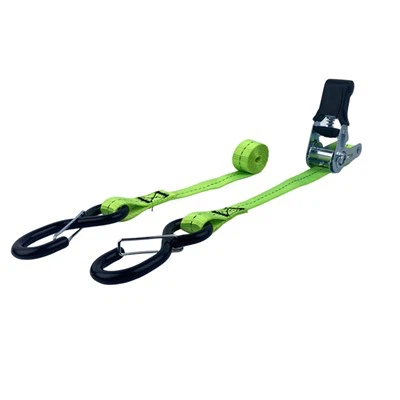
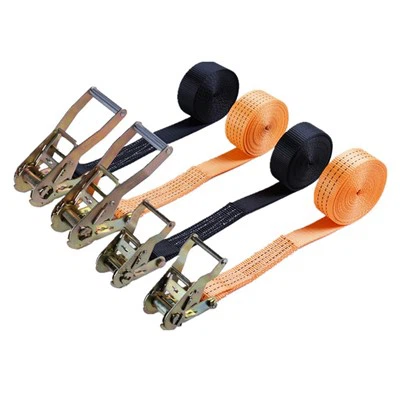
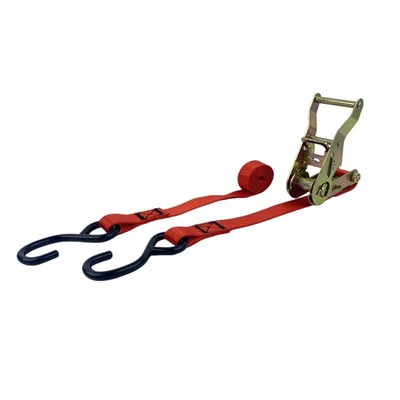
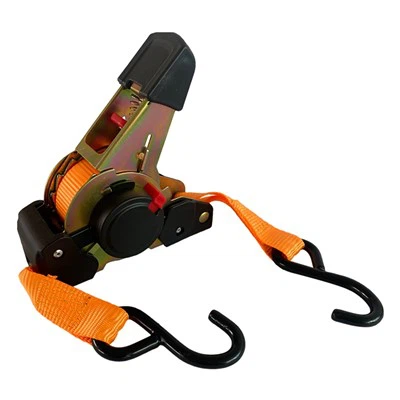
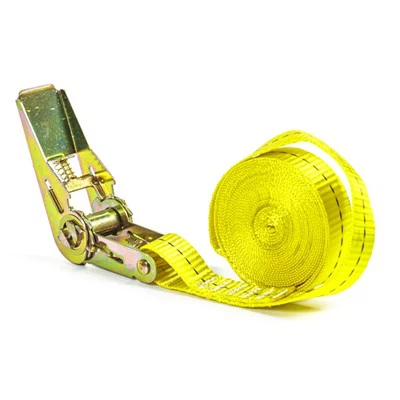
Handling ratchet straps and tie downs in tight spaces can be a real headache, but it's a challenge that we, as a Ratchet Straps and Tie Downs supplier, face and solve every day. In this blog, I'll share some tips and tricks on how to deal with these situations effectively.
Understanding the Challenge
First off, let's talk about why tight spaces are such a pain when it comes to ratchet straps and tie downs. In tight areas, you've got limited room to maneuver. You can't just swing the ratchet handle around like you would in an open space. There might be obstacles in the way, like other equipment or parts of a vehicle, which can make it difficult to get the strap in the right position and apply the necessary tension.
Another issue is visibility. It's often hard to see exactly what you're doing when you're working in a cramped spot. You might not be able to tell if the strap is properly threaded through the ratchet or if it's sitting evenly on the load. This can lead to a less secure tie-down and increase the risk of the load shifting during transit.
Choosing the Right Straps
When you're dealing with tight spaces, the type of ratchet strap you choose matters a lot. For starters, consider the length of the strap. You don't want a strap that's too long, as it will just get in the way and make things more complicated. On the other hand, a strap that's too short won't be able to reach the anchor points or provide enough tension.
We offer a variety of lengths for our ratchet straps, so you can pick the one that's just right for your needs. If you're working in a really tight spot, you might want to check out our Retractable Cargo Straps. These straps are designed to be compact and easy to handle, making them a great choice for confined spaces.
The width of the strap is also important. A wider strap can distribute the load more evenly, which is especially important when you're dealing with heavy or bulky items. However, in tight spaces, a wider strap might be more difficult to maneuver. So, you'll need to find a balance between load distribution and ease of use. Our 5 Ton Straps come in different widths, so you can choose the one that suits your specific situation.
Techniques for Tight Spaces
Now, let's get into some techniques for using ratchet straps and tie downs in tight spaces. One of the first things you can do is to use a mirror or a camera to improve your visibility. If you can't see what you're doing, it's almost impossible to get the strap in the right position. A small mirror or a smartphone camera can help you see around corners and behind obstacles.
Another useful technique is to use a Ratchet Strap Tensioner. This tool can make it easier to apply tension to the strap, even in tight spaces. Instead of having to swing the ratchet handle back and forth, you can use the tensioner to pull the strap tight with less effort.


When threading the strap through the ratchet, it's important to take your time and make sure it's done correctly. In tight spaces, it can be easy to get the strap twisted or caught on something. Start by feeding the strap through the ratchet slowly, making sure it's straight and not tangled. You might need to use a small tool, like a screwdriver or a pair of pliers, to help guide the strap through the ratchet if it's difficult to reach.
Once the strap is threaded through the ratchet, you can start applying tension. In tight spaces, it might be necessary to use a different grip on the ratchet handle. Instead of using a full swing, you can use a short, quick motion to pull the handle and tighten the strap. This can be more effective in a confined area where you don't have a lot of room to move.
Securing the Load
After you've tightened the ratchet strap, it's important to make sure the load is properly secured. Check the strap for any signs of wear or damage, and make sure it's sitting evenly on the load. You might need to adjust the position of the strap slightly to ensure that the load is balanced and won't shift during transit.
In tight spaces, it can be a good idea to use multiple tie-down points. This can help distribute the load more evenly and provide additional security. If possible, try to anchor the strap to multiple points on the vehicle or the storage area. This will reduce the risk of the load moving if one tie-down point fails.
Maintenance and Safety
Finally, don't forget about maintenance and safety when using ratchet straps and tie downs in tight spaces. Regularly inspect your straps for any signs of wear, such as fraying or cuts. Replace any damaged straps immediately to ensure the safety of your load.
When working in tight spaces, it's also important to wear the appropriate safety gear. Gloves can help protect your hands from cuts and abrasions, and safety glasses can protect your eyes from debris. Make sure you follow all safety guidelines and procedures when using ratchet straps and tie downs.
Conclusion
Handling ratchet straps and tie downs in tight spaces is definitely a challenge, but with the right tools, techniques, and a little bit of practice, it can be done safely and effectively. As a Ratchet Straps and Tie Downs supplier, we're here to help you find the right products for your needs and provide you with the support and advice you need to get the job done right.
If you're interested in learning more about our ratchet straps and tie downs or have any questions about using them in tight spaces, please don't hesitate to contact us. We're always happy to talk to our customers and help them find the best solutions for their specific situations.
References
- Industry best practices for ratchet strap usage
- Experience and knowledge gained from supplying ratchet straps and tie downs over the years