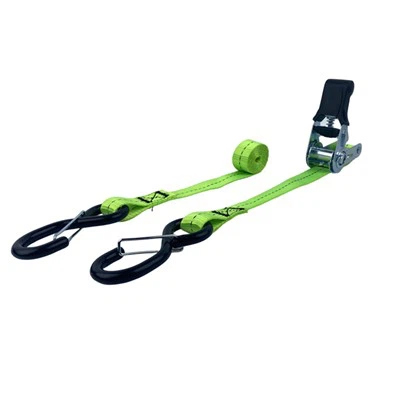
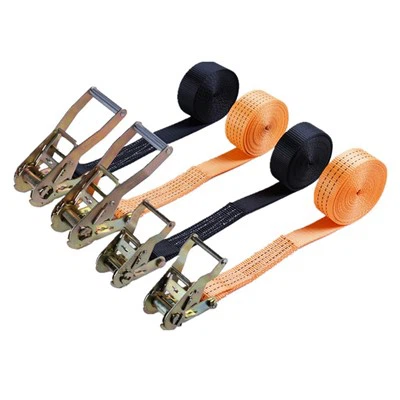
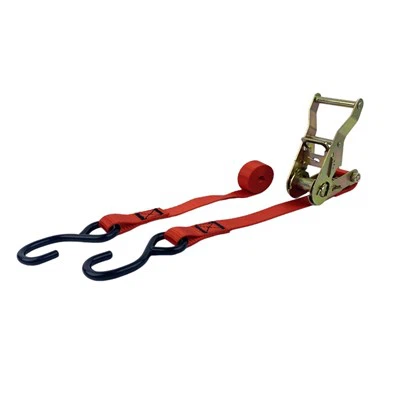
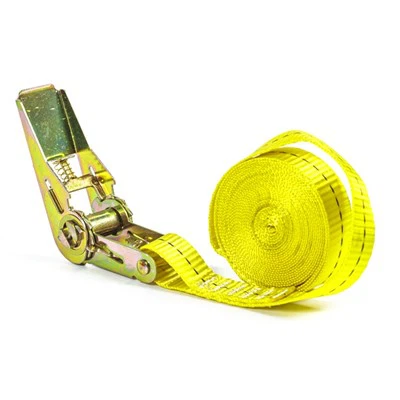
Hey there! I'm a supplier of 5000kg ratchet straps, and today I'm gonna share with you how to attach these heavy - duty straps to a trailer. Whether you're a professional hauler or just someone who needs to transport some big stuff on a trailer every now and then, getting the straps attached correctly is super important for safety and efficiency.
Why 5000kg Ratchet Straps?
First off, let me tell you a bit about why 5000kg ratchet straps are so great. These bad boys are designed to handle a massive amount of weight. That means you can use them to secure all sorts of heavy equipment, like construction machinery, large vehicles, or even big containers. They're made from high - strength materials that can withstand a lot of stress and tension, so you can trust them to keep your load in place during transit.
What You'll Need
Before you start attaching the ratchet straps to your trailer, you'll need to gather a few things. Obviously, you'll need the 5000kg ratchet straps. If you're in the market for some, you can check out our Professional Ratchet Straps. You'll also need a trailer with appropriate tie - down points. Most trailers come with built - in D - rings or other attachment points, but make sure they're in good condition and can handle the weight. Additionally, it's a good idea to have a pair of gloves to protect your hands from the rough edges of the straps and the ratchet mechanism.
Step 1: Inspect the Straps and Trailer
Before you even think about attaching the straps, take a good look at them. Check for any signs of wear and tear, like frayed edges, cuts, or broken stitching. If you notice any damage, don't use the strap. It's not worth the risk. Also, inspect the trailer's tie - down points. Make sure they're not rusted, bent, or otherwise damaged. If they are, get them fixed or replaced before you start.
Step 2: Position Your Load
Properly positioning your load on the trailer is crucial. You want to distribute the weight evenly to prevent the trailer from becoming unbalanced. If the load is too heavy on one side, it can cause the trailer to sway or tip over during transport. So, take your time to move the load around until it's centered and balanced as best as you can.
Step 3: Attach the Straps to the Trailer
Now it's time to start attaching the straps. First, find a suitable tie - down point on the trailer. If your trailer has D - rings, thread the end of the strap through the D - ring. If you're using other types of attachment points, make sure the strap is securely fastened.
Once the strap is attached to the trailer, run it over the load. You want to make sure the strap is in contact with the load at the right places. For example, if you're securing a vehicle, you might want to place the strap over the tires or around the frame.
Step 4: Thread the Strap Through the Ratchet
After you've run the strap over the load, it's time to thread it through the ratchet. Open the ratchet mechanism by lifting the handle. Then, feed the end of the strap through the slot in the ratchet. Make sure the strap is straight and not twisted. Once the strap is through the ratchet, close the ratchet handle to lock it in place.
Step 5: Tighten the Strap
This is where the real work begins. Start pumping the ratchet handle up and down. As you do this, the ratchet will start to pull the strap tight. You want to tighten the strap as much as possible without over - tightening it. Over - tightening can damage the strap or the load. You'll know the strap is tight enough when you can't easily move the load around on the trailer.


Step 6: Check the Tension
After you've tightened the strap, give it a final check. Make sure the tension is even across the entire length of the strap. You can do this by tugging on the strap at different points. If the strap feels loose in some areas, tighten it a bit more. Also, check the load to make sure it's still in place and hasn't shifted.
Step 7: Repeat for All Straps
Depending on the size and weight of your load, you'll probably need to use multiple straps. So, repeat steps 3 - 6 for each strap until your load is fully secured.
Step 8: Double - Check Everything
Once you've attached and tightened all the straps, take a few minutes to double - check everything one last time. Make sure all the straps are secure, the load is balanced, and the trailer is ready for transport. It's better to be safe than sorry!
Other Types of Straps and Tie - Downs
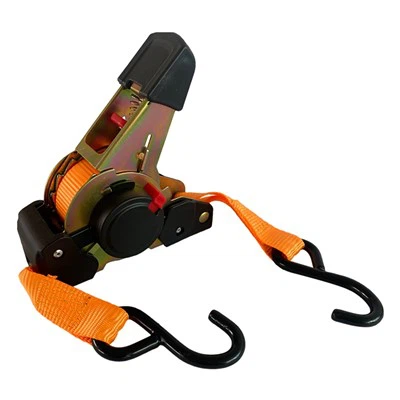
In addition to the 5000kg ratchet straps, there are other types of straps and tie - downs that you might find useful. For example, Straps and Tie Downs come in different sizes and strengths, so you can choose the ones that are right for your specific needs. And if you're looking for something a bit more convenient, Retractable Ratchet Tie Down can be a great option. They're easy to use and can save you a lot of time when securing your load.
Conclusion
Attaching 5000kg ratchet straps to a trailer might seem like a complicated process, but if you follow these steps, you'll be able to do it safely and effectively. Remember, safety should always be your top priority when transporting heavy loads. If you have any questions or need more information about our 5000kg ratchet straps or other tie - down products, don't hesitate to reach out. We're here to help you find the best solutions for your hauling needs. So, if you're interested in purchasing our high - quality ratchet straps, feel free to start a conversation with us. We're ready to discuss your requirements and offer you the best deals.
References
- General knowledge from years of experience in the ratchet strap industry.
- Best practices for trailer loading and securing from industry standards.