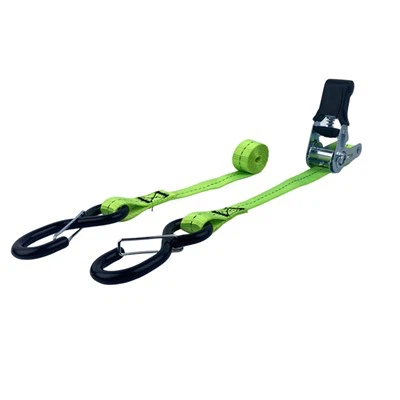
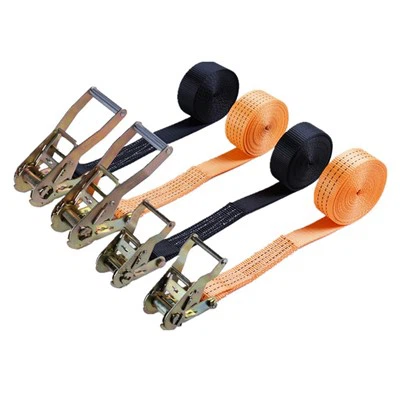
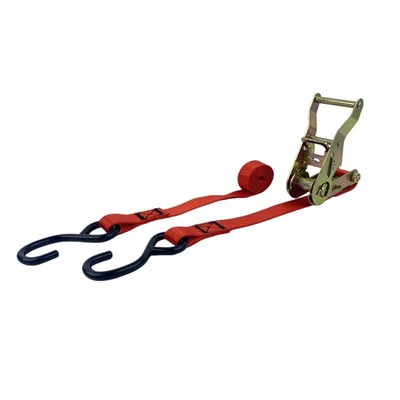
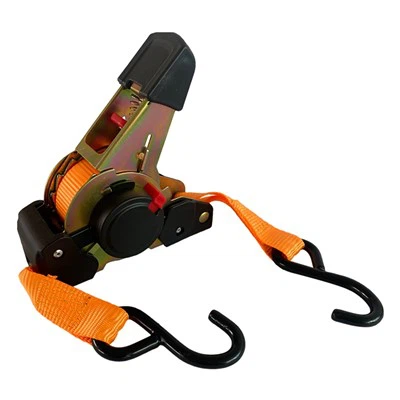
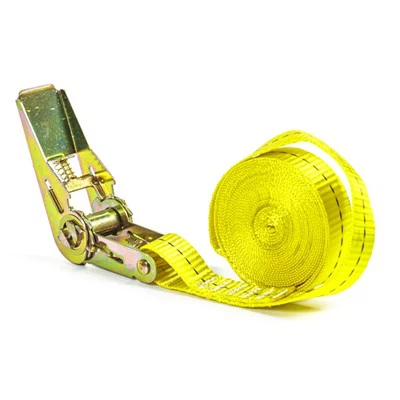
Hey there! As a supplier of Load Tie Down Straps, I've seen firsthand how crucial it is to check the tension of these straps accurately. Whether you're securing cargo on a truck, a boat, or even in your car, getting the right tension can make all the difference between a safe journey and a potential disaster. In this blog post, I'm gonna share some tips on how to check the tension of load tie down straps accurately.
Why Accurate Tension is Important
Before we dive into the methods of checking tension, let's talk about why it's so important. When you're using load tie down straps to secure your cargo, you need to make sure that the straps are tight enough to keep the cargo from moving around during transit. If the straps are too loose, the cargo can shift, which can cause damage to the cargo itself, the vehicle, or even pose a safety risk to other drivers on the road. On the other hand, if the straps are too tight, they can damage the cargo or the straps themselves, leading to potential failure.
Tools You'll Need
To check the tension of load tie down straps accurately, you'll need a few tools. The most common tool is a tension meter, which is specifically designed to measure the tension in a strap. Tension meters come in different types, including mechanical and digital. Mechanical tension meters are usually more affordable, but they can be less accurate than digital ones. Digital tension meters, on the other hand, are more expensive, but they offer more precise readings.
In addition to a tension meter, you'll also need a tape measure to measure the length of the strap and a calculator to do some basic math.
Step-by-Step Guide to Checking Tension
Now that you have your tools, let's go through the steps of checking the tension of load tie down straps accurately.
Step 1: Measure the Length of the Strap
The first step is to measure the length of the strap. This is important because the tension in a strap is directly proportional to its length. To measure the length of the strap, use a tape measure to measure from one end of the strap to the other, including any hooks or buckles.
Step 2: Determine the Rated Capacity of the Strap
The next step is to determine the rated capacity of the strap. The rated capacity is the maximum amount of weight that the strap is designed to hold. You can usually find the rated capacity of the strap on the label or tag that comes with the strap.
Step 3: Calculate the Required Tension
Once you have the length of the strap and the rated capacity, you can calculate the required tension. The required tension is the amount of tension that you need to apply to the strap to keep the cargo secure. To calculate the required tension, you can use the following formula:
Required Tension = (Weight of Cargo x Safety Factor) / Number of Straps
The safety factor is a number that takes into account the potential for the cargo to shift or move during transit. The safety factor is usually between 1.5 and 2.0, depending on the type of cargo and the conditions of the journey.
For example, let's say you're securing a cargo that weighs 1000 pounds with two straps. If you use a safety factor of 1.5, the required tension for each strap would be:
Required Tension = (1000 x 1.5) / 2 = 750 pounds
Step 4: Attach the Tension Meter
Once you have calculated the required tension, it's time to attach the tension meter to the strap. To do this, you'll need to find a section of the strap that is straight and free of any knots or bends. Then, attach the tension meter to the strap according to the manufacturer's instructions.
Step 5: Measure the Tension
With the tension meter attached to the strap, you can now measure the tension. To do this, pull the strap tight until the tension meter reads the required tension. Make sure that the strap is pulling evenly and that there are no twists or kinks in the strap.
Step 6: Adjust the Tension if Necessary
If the tension meter reads less than the required tension, you'll need to tighten the strap. You can do this by using a ratchet or a winch to pull the strap tighter. If the tension meter reads more than the required tension, you'll need to loosen the strap. You can do this by releasing the ratchet or the winch and allowing the strap to loosen.
Types of Load Tie Down Straps
There are different types of load tie down straps available on the market, each designed for specific applications. Here are some of the most common types of load tie down straps:


Ratchet Straps
Ratchet straps are one of the most popular types of load tie down straps. They are easy to use and can be adjusted to different lengths. Ratchet straps are available in different sizes and capacities, making them suitable for a wide range of applications. If you're looking for High Quality Ratchet Straps, we've got you covered.
Cam Buckle Straps
Cam buckle straps are another type of load tie down strap. They are similar to ratchet straps, but they use a cam buckle instead of a ratchet to tighten the strap. Cam buckle straps are usually less expensive than ratchet straps, but they are not as strong.
Bungee Cords
Bungee cords are a type of elastic strap that is commonly used to secure lightweight items. They are easy to use and can be stretched to different lengths. Bungee cords are available in different sizes and strengths, making them suitable for a wide range of applications.
Marine Ratchet Straps
Marine ratchet straps are specifically designed for use in marine applications. They are made from materials that are resistant to water, salt, and UV rays, making them suitable for use in harsh marine environments. If you're in need of Marine Ratchet Straps, we offer high-quality options.
Automotive Tie Down Straps
Automotive tie down straps are designed for use in securing vehicles during transport. They are usually made from heavy-duty materials and are designed to withstand the weight and movement of a vehicle. If you're looking for Automotive Tie Down Straps, we have a great selection.
Conclusion
Checking the tension of load tie down straps accurately is an important part of securing your cargo. By following the steps outlined in this blog post and using the right tools, you can ensure that your cargo is secure and that your journey is safe. If you have any questions about load tie down straps or need help choosing the right straps for your application, don't hesitate to reach out. We're here to help you make the right choice and ensure that your cargo is secure. Whether you need high-quality ratchet straps, marine ratchet straps, or automotive tie down straps, we've got a wide range of products to meet your needs. Contact us today to discuss your requirements and start a procurement conversation!
References
- "Load Securement Handbook." Federal Motor Carrier Safety Administration.
- "Tie Down Straps: A Guide to Selection and Use." Industrial Webbing Products.