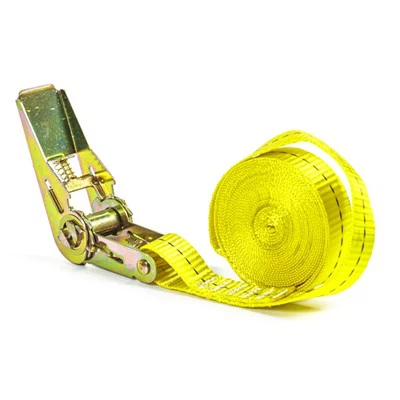
Determining the right tension for tractor tie down straps is crucial, whether you're a professional hauling equipment regularly or just moving a tractor once in a while. As a supplier of Tractor Tie Down Straps, I've seen firsthand how getting the tension right can make a huge difference in safety and efficiency.
First off, let's talk about why the correct tension matters. Tractor tie down straps are designed to keep your tractor secure during transportation. If the tension is too low, the tractor can shift, bounce, or even fall off the trailer. This isn't just a risk to the tractor, but also to other road users and your own safety. On the other hand, if the tension is too high, you can damage the tractor or the trailer. The straps could also snap under the excessive stress, leading to the same dangerous situation of an unsecured load.
So, how do you figure out the right tension? Well, there are a few factors you need to consider.
The Weight of the Tractor
The weight of the tractor is the most obvious factor. Heavier tractors require more tension to stay secure. You can typically find the weight of your tractor in the owner's manual. Once you know the weight, you can start to calculate the right amount of tension.
As a general rule of thumb, you should aim for a tension that is at least a certain percentage of the tractor's weight. For most tractors, a good starting point is to aim for a tension that is around 20 - 30% of the tractor's total weight. For example, if you have a tractor that weighs 5 tons (or 10,000 pounds), you'd want to have a total tension in all your straps of at least 2,000 - 3,000 pounds.
But it's not as simple as just tightening the straps until you reach a specific number. You need to distribute the tension evenly across all the straps. If you're using multiple straps, make sure each one is taking an equal share of the load.
The Condition of the Road
The type of road you'll be traveling on also affects the tension required. If you're going to be driving on a smooth highway, you may be able to get away with a lower tension than if you're driving on a bumpy, winding road.
On a bumpy road, the tractor will experience more vibrations and jolts. This means you need more tension to keep it from shifting. You might need to increase the tension by 10 - 15% compared to highway driving.
The Size and Type of the Straps
Not all tractor tie down straps are created equal. The size and type of the straps you use will have a big impact on the tension. Thicker, stronger straps can handle more tension.
For heavier tractors, you'll want to use 5 Ton Straps. These straps are designed to handle a high amount of tension and are much more reliable than thinner straps.
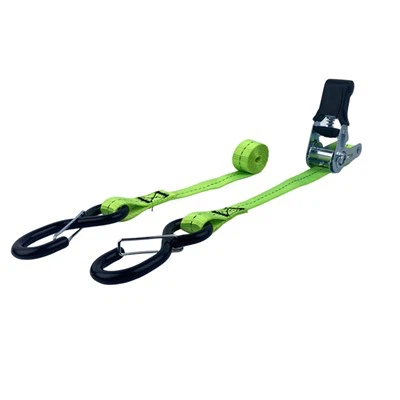
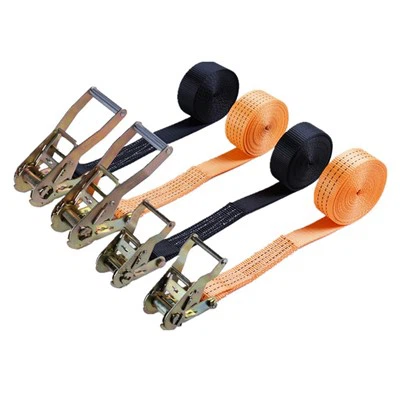
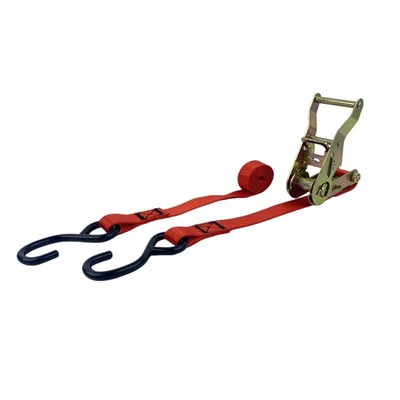
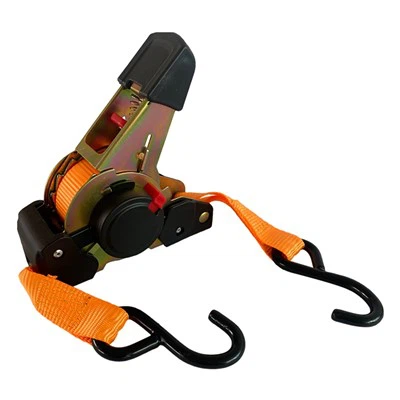
When it comes to the type of straps, ratchet straps are a popular choice. They allow you to easily adjust the tension and lock it in place. You can use a Ratchet Strap Tensioner to make the process even easier and more accurate.
Now, let's get into the practical steps of determining the right tension.
Step 1: Choose the Right Straps
As mentioned, pick the appropriate size and type of straps based on the weight of your tractor and the conditions of your journey. If you're unsure, don't hesitate to reach out for advice.
Step 2: Attach the Straps Correctly
Make sure the straps are attached securely to both the tractor and the trailer. Use the appropriate hooks and fasteners. The attachment points on the tractor should be strong and designed for tie - down purposes.
Step 3: Start Tightening
Begin tightening the straps using the ratchet mechanism. Don't over - tighten them right away. Just get them snug enough to hold the tractor in place.


Step 4: Check the Tension
You can use a tension gauge to check the tension in each strap. This is a handy tool that will give you an accurate reading. Adjust the tension in each strap until you reach the target tension based on the tractor's weight and the road conditions.
Step 5: Re - check
After you've tightened the straps and started your journey, stop occasionally to re - check the tension. Vibration and movement can cause the straps to loosen up over time.
It's also a good idea to have some extra straps on hand. Just in case one strap fails or if you need to add more tension for some reason.
In conclusion, determining the right tension for tractor tie down straps is a combination of careful calculation, choosing the right equipment, and constant vigilance. As a supplier, I'm here to help you make the best choices. If you're in the market for high - quality tractor tie down straps or need more information on how to use them properly, don't hesitate to get in touch. We're more than happy to assist you with your procurement needs and guide you through the process.
References
- General tractor hauling safety guidelines from industry standards
- Tractor manufacturer's owner's manuals