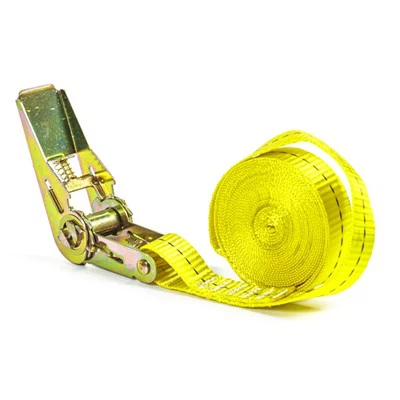
Hey there! As a supplier of Load Tie Down Straps, I've seen firsthand the importance of properly fastening these straps. Whether you're securing a motorcycle, a UTV, or any other heavy load, getting the tie - down right is crucial for safety and peace of mind. In this blog, I'll share some tips on how to ensure your load tie - down straps are properly fastened.
Understanding Your Straps
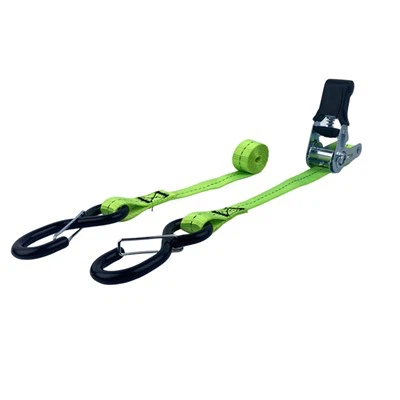
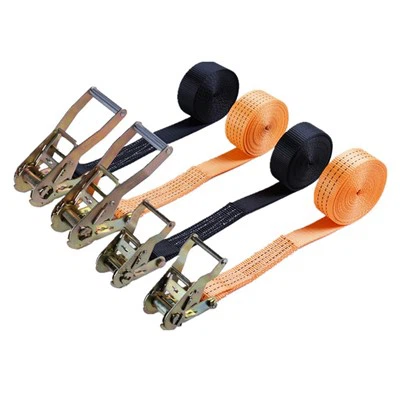
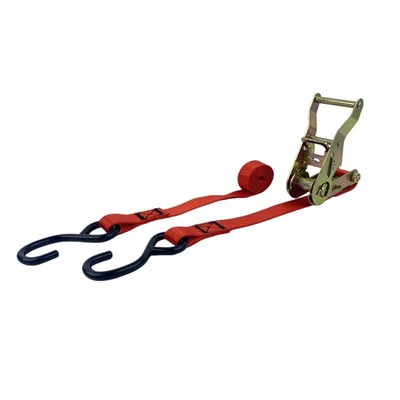
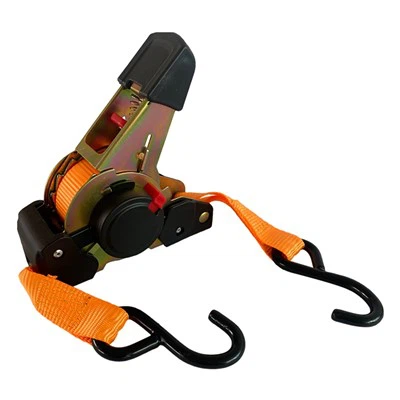
First things first, you need to know what kind of straps you're working with. There are different types of load tie - down straps, each with its own features and uses. For example, Motorcycle Ratchet Tie Down Straps are specifically designed to secure motorcycles. They usually have a ratchet mechanism that allows you to tighten the strap easily and keep it firmly in place.
On the other hand, Best Utv Tie Down Straps are built to handle the weight and size of UTVs. These straps are often wider and stronger to provide better support. And then there are Rope Tie Down Straps, which are more flexible and can be useful in various situations where you need a bit more give.
Pre - Check Before Use
Before you even start fastening the straps, you should do a quick pre - check. Look for any signs of damage on the straps, such as cuts, frays, or worn - out areas. A damaged strap can break under pressure, which is extremely dangerous. If you find any issues, don't use the strap. It's better to replace it with a new one to ensure the safety of your load.


Also, check the hardware on the straps, like the hooks and the ratchet mechanism. Make sure the hooks are not bent or damaged, as they need to be able to grip the anchor points securely. For ratchet straps, test the ratchet to make sure it moves smoothly and locks properly.
Choosing the Right Anchor Points
Selecting the right anchor points is key to properly fastening your load tie - down straps. Anchor points should be strong enough to hold the weight of the load. For example, if you're transporting a motorcycle on a trailer, look for solid metal loops or brackets on the trailer frame. Avoid using weak or flimsy parts that could break under stress.
The number of anchor points also matters. You should use enough anchor points to distribute the weight of the load evenly. For a large load like a UTV, you might need at least four anchor points, one at each corner. This helps prevent the load from shifting during transport.
Proper Strapping Technique
Once you've chosen the anchor points, it's time to start strapping. Here's a step - by - step guide on how to do it right:
- Thread the Strap: If you're using a ratchet strap, thread the strap through the ratchet mechanism. Make sure it goes in the correct direction so that the ratchet can tighten the strap properly.
- Attach the Hooks: Attach the hooks on the ends of the strap to the anchor points. Make sure the hooks are fully engaged and locked in place. You can give them a little tug to check if they're secure.
- Tighten the Strap: Use the ratchet mechanism to tighten the strap. Start by pulling the free end of the strap through the ratchet slowly. As you do this, the ratchet will start to engage and tighten the strap. Keep tightening until the strap is snug against the load. You should be able to feel some resistance when you try to move the load.
- Check for Slack: After tightening the strap, check for any slack. There should be no loose parts of the strap that could allow the load to move. If you find any slack, tighten the strap a bit more.
Angle of the Straps
The angle at which you attach the straps also affects how well they hold the load. Ideally, the straps should be as close to a 45 - degree angle as possible. This angle helps distribute the force evenly between the load and the anchor points. If the straps are too vertical, they might not be able to prevent the load from shifting sideways. If they're too horizontal, they might not be able to hold the load down effectively.
Multiple Straps and Cross - Strapping
In many cases, using multiple straps and cross - strapping is a good idea. Cross - strapping means using two or more straps that cross over each other on the load. This provides additional stability and helps prevent the load from tipping or sliding.
For example, if you're securing a large piece of furniture, you can use two straps in a criss - cross pattern. This way, if one strap fails, the other can still hold the load in place to some extent.
Regular Checks During Transport
Even if you've fastened the straps properly before you start driving, it's important to do regular checks during transport. Stop every few hours and inspect the straps. Make sure they're still tight and the hooks are still attached to the anchor points. If you notice any issues, like a strap that has loosened or a hook that has come loose, stop immediately and readjust the straps.
Weather and Environmental Factors
Weather and environmental factors can also affect the performance of your load tie - down straps. For example, in wet conditions, the straps might stretch more or the hooks might rust over time. If you're transporting a load in the rain or snow, make sure the straps are made of materials that can withstand moisture.
High temperatures can also cause the straps to weaken. If you're transporting a load in hot weather, keep an eye on the straps and make sure they're still holding up.
Training and Education
If you're new to using load tie - down straps, it's a good idea to get some training. There are many resources available online or you can even take a course on proper load - securing techniques. Understanding how to use the straps correctly can save you a lot of trouble in the long run.
Conclusion
Properly fastening load tie - down straps is not just about following a set of rules. It's about ensuring the safety of your load, other drivers on the road, and yourself. By understanding your straps, choosing the right anchor points, using the proper technique, and doing regular checks, you can make sure your load stays secure during transport.
If you're in the market for high - quality load tie - down straps, we've got you covered. We offer a wide range of straps, including Motorcycle Ratchet Tie Down Straps, Best Utv Tie Down Straps, and Rope Tie Down Straps. Contact us to start a procurement discussion and find the perfect straps for your needs.
References
- Federal Motor Carrier Safety Administration (FMCSA) guidelines on load securement.
- Industry standards and best practices for load tie - down straps.