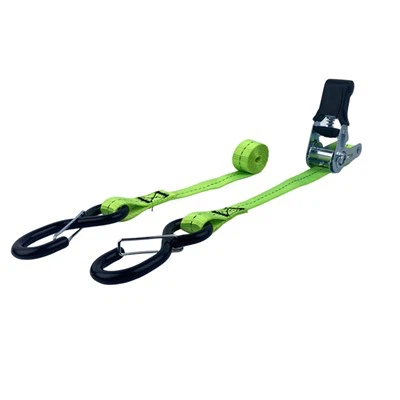
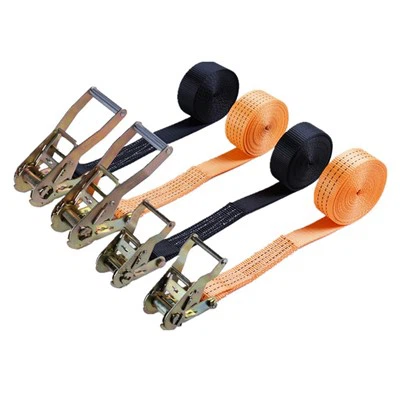
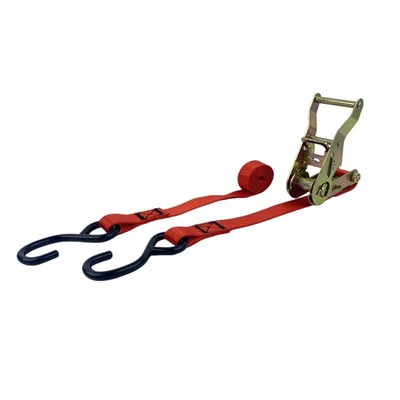
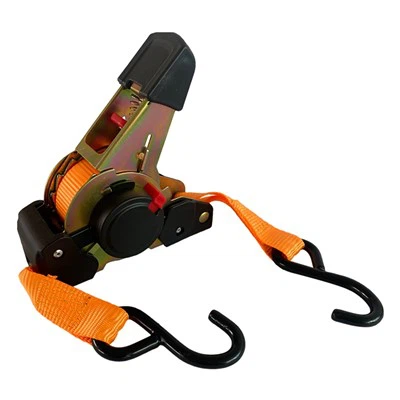
When it comes to securing loads during transportation, high quality ratchet straps are an indispensable tool. As a supplier of high quality ratchet straps, I often get asked whether these products have a safety margin built - in. In this blog, I'll delve into this question, exploring the concept of safety margins in ratchet straps, the factors that contribute to it, and why it matters.
Understanding Safety Margins in Ratchet Straps
A safety margin in ratchet straps refers to the additional strength or capacity that the strap has beyond its rated working load limit (WLL). The WLL is the maximum load that a ratchet strap is designed to safely handle under normal working conditions. For example, a 1000 Lb Ratchet Straps has a WLL of 1000 pounds. However, high quality ratchet straps are engineered with a safety margin to account for unexpected factors such as sudden jolts, vibrations, and dynamic loads during transportation.
This safety margin is typically expressed as a safety factor. A common safety factor for ratchet straps is 3:1 or 5:1. A 3:1 safety factor means that the strap can theoretically withstand three times its WLL before it fails. So, a ratchet strap with a WLL of 1000 pounds and a 3:1 safety factor can handle up to 3000 pounds before breaking. This extra capacity provides a buffer, reducing the risk of the strap failing under normal and even some abnormal conditions.
Factors Contributing to the Safety Margin
Material Quality
The quality of the materials used in manufacturing ratchet straps is a crucial factor in determining the safety margin. High quality ratchet straps are made from strong and durable materials such as polyester webbing. Polyester is known for its high tensile strength, resistance to abrasion, and minimal stretch. These properties ensure that the strap can withstand the forces exerted on it during use without breaking or stretching excessively.
The ratchet mechanism, which is used to tighten the strap, is also made from high - grade materials such as steel. A well - constructed ratchet mechanism ensures smooth operation and reliable locking, preventing the strap from loosening during transit.
Manufacturing Standards
Adhering to strict manufacturing standards is essential for building a safety margin into ratchet straps. Reputable manufacturers follow industry - recognized standards such as the Web Sling and Tie Down Association (WSTDA) guidelines. These standards specify the requirements for materials, construction, and testing of ratchet straps.
For example, straps are often tested to ensure that they meet or exceed their rated WLL. They may undergo static load tests, where a known load is applied to the strap to measure its strength, and dynamic load tests, which simulate real - world conditions such as sudden stops or starts. By following these standards, manufacturers can ensure that their ratchet straps have a reliable safety margin.
Design Features
The design of ratchet straps also contributes to their safety margin. Many high quality ratchet straps feature reinforced stitching at critical points, such as the attachment points and the edges of the webbing. This reinforcement helps distribute the load evenly across the strap, reducing the stress on any single point and preventing premature failure.


Some ratchet straps also have additional features such as padded edges to protect the load from damage and to prevent the strap from being cut by sharp edges on the load. These design elements not only enhance the functionality of the strap but also contribute to its overall safety.
Why the Safety Margin Matters
Protecting the Load
The primary purpose of using ratchet straps is to secure a load during transportation. A safety margin ensures that the load remains secure even when faced with unexpected forces. For example, if a vehicle carrying a heavy load suddenly brakes, the dynamic forces acting on the ratchet straps can be significantly higher than the normal static load. A strap with a sufficient safety margin can withstand these forces without breaking, preventing the load from shifting or falling off the vehicle.
Ensuring User Safety
In addition to protecting the load, the safety margin in ratchet straps also ensures the safety of the users. A strap failure during transportation can be extremely dangerous, especially in high - traffic areas or on highways. It can cause accidents, damage to other vehicles, and even injury or death to the driver and other road users. By using ratchet straps with a built - in safety margin, users can minimize these risks and operate with greater peace of mind.
Meeting Regulatory Requirements
Many industries have regulations regarding the use of ratchet straps and other tie - down equipment. These regulations often require that the straps have a certain safety factor to ensure the safe transportation of goods. By using high quality ratchet straps with an appropriate safety margin, businesses can comply with these regulations and avoid potential fines and legal issues.
Different Types of Ratchet Straps and Their Safety Margins
Car Transporter Ratchet Straps
Car transporter ratchet straps are specifically designed to secure vehicles during transportation. These straps need to be able to withstand the weight of the vehicle and the forces generated during transit, such as acceleration, braking, and cornering. High quality car transporter ratchet straps typically have a high safety factor, often 5:1 or more, to ensure the safe and secure transportation of cars.
Ratchet Straps and Tie Downs for General Use
Ratchet straps for general use, such as those used to secure cargo on trucks or trailers, also have a safety margin built - in. The specific safety factor may vary depending on the intended use and the manufacturer. However, most high quality general - purpose ratchet straps have a safety factor of at least 3:1 to provide a reasonable level of protection.
Conclusion
In conclusion, high quality ratchet straps do have a safety margin built - in. This safety margin is achieved through the use of high - quality materials, strict manufacturing standards, and thoughtful design features. It plays a crucial role in protecting the load, ensuring user safety, and meeting regulatory requirements.
If you are in the market for high quality ratchet straps with a reliable safety margin, we are here to help. Our range of 1000 Lb Ratchet Straps, Car Transporter Ratchet Straps, and Ratchet Straps and Tie Downs are designed and manufactured to the highest standards, providing you with peace of mind when it comes to load securing. Contact us today to discuss your specific needs and start a procurement negotiation.
References
- Web Sling and Tie Down Association (WSTDA) Guidelines
- Industry research on load - securing equipment safety standards