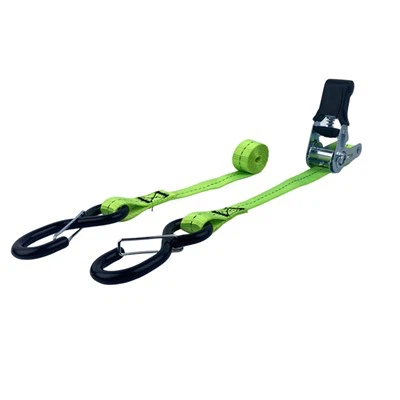
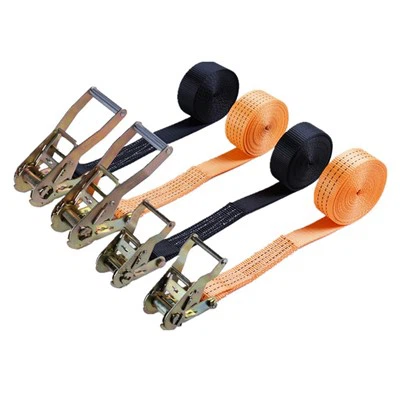
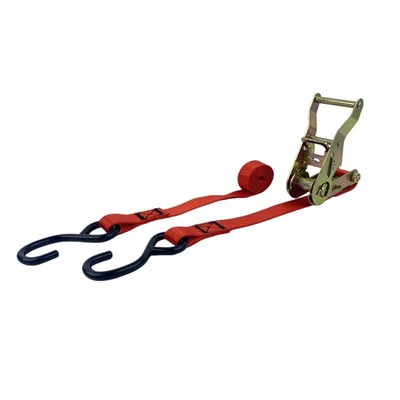
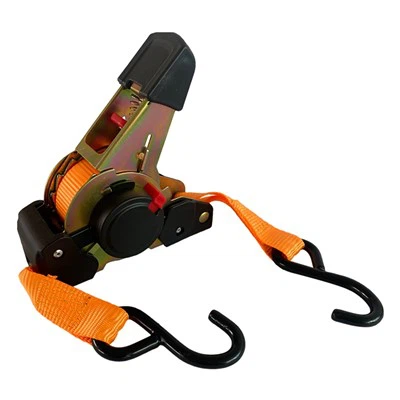
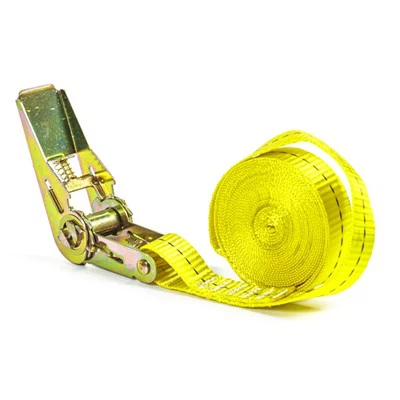
A ratchet strap tensioner is an indispensable tool for securing cargo during transportation. It offers a reliable and efficient way to keep items in place, preventing them from shifting or falling off. However, like any mechanical device, ratchet strap tensioners can sometimes encounter issues, with jamming being a common problem. As a supplier of ratchet strap tensioners, I understand the frustration that comes with a jammed tensioner. In this blog post, I'll share some practical tips on how to handle a jammed ratchet strap tensioner.
Understanding the Causes of Jamming
Before we delve into the solutions, it's crucial to understand what causes a ratchet strap tensioner to jam. Several factors can contribute to this problem:
- Dirt and Debris: Over time, dirt, dust, and other debris can accumulate inside the ratchet mechanism. This buildup can interfere with the smooth operation of the gears and pawls, causing the tensioner to jam.
- Overloading: Exceeding the recommended weight capacity of the ratchet strap tensioner can put excessive stress on the components. This can lead to misalignment of the gears or damage to the pawls, resulting in a jammed tensioner.
- Improper Use: Incorrect handling of the ratchet strap, such as twisting or kinking it, can also cause jamming. Additionally, not engaging the ratchet properly or using the tensioner in a way that puts uneven pressure on the mechanism can lead to problems.
- Wear and Tear: Continuous use of the ratchet strap tensioner can cause the components to wear out over time. This can result in loose or damaged parts, which can contribute to jamming.
Step-by-Step Guide to Unjamming a Ratchet Strap Tensioner
Now that we understand the possible causes of jamming, let's look at how to fix the problem. Here's a step-by-step guide to unjamming a ratchet strap tensioner:
Step 1: Inspect the Tensioner
The first step is to carefully examine the ratchet strap tensioner to identify the source of the jam. Look for any visible signs of dirt, debris, or damage. Check the gears, pawls, and the strap itself for any signs of misalignment or wear.
Step 2: Clean the Tensioner
If dirt or debris is the cause of the jam, cleaning the tensioner can often solve the problem. Use a clean, dry cloth to wipe away any visible dirt from the outside of the tensioner. For more stubborn dirt or debris inside the mechanism, you can use a small brush, such as a toothbrush, to gently clean the gears and pawls. You may also want to use a can of compressed air to blow out any loose particles.
Step 3: Lubricate the Tensioner
Once the tensioner is clean, lubricating the moving parts can help restore smooth operation. Apply a small amount of lubricant, such as silicone spray or light machine oil, to the gears and pawls. Be careful not to over-lubricate, as this can attract more dirt and debris. Work the lubricant into the mechanism by operating the ratchet a few times.
Step 4: Check for Misalignment
If the jam persists after cleaning and lubricating the tensioner, check for misalignment of the gears or pawls. Gently try to realign the components using a small tool, such as a flathead screwdriver. Be careful not to force the parts, as this can cause further damage.
Step 5: Release the Tension
If the ratchet strap is under tension when it jams, releasing the tension can sometimes help unjam the mechanism. To do this, locate the release lever on the tensioner and pull it to disengage the ratchet. This will allow the strap to loosen slightly, which may relieve the pressure causing the jam.
Step 6: Replace Damaged Parts
If none of the above steps work, it's possible that the tensioner has a damaged component. In this case, you may need to replace the damaged part. As a ratchet strap tensioner supplier, we offer a wide range of replacement parts for our products. You can contact us to find the right replacement part for your tensioner.
Preventing Future Jams
While it's important to know how to handle a jammed ratchet strap tensioner, preventing jams from occurring in the first place is even better. Here are some tips to help you keep your ratchet strap tensioner in good working condition:
- Keep the Tensioner Clean: Regularly clean the ratchet strap tensioner to prevent dirt and debris from accumulating. After each use, wipe down the tensioner with a clean cloth. If the tensioner gets dirty during use, clean it more thoroughly using the methods described above.
- Use the Tensioner Properly: Follow the manufacturer's instructions for using the ratchet strap tensioner. Avoid overloading the tensioner and make sure to engage the ratchet properly. When using the strap, keep it straight and avoid twisting or kinking it.
- Inspect the Tensioner Regularly: Periodically inspect the ratchet strap tensioner for signs of wear and tear. Check the gears, pawls, and the strap for any damage. If you notice any problems, address them immediately to prevent further damage and potential jams.
- Store the Tensioner Properly: When not in use, store the ratchet strap tensioner in a dry, clean place. Avoid storing it in a damp or dirty environment, as this can cause rust and corrosion, which can lead to jamming.
Our Range of Ratchet Strap Tensioners
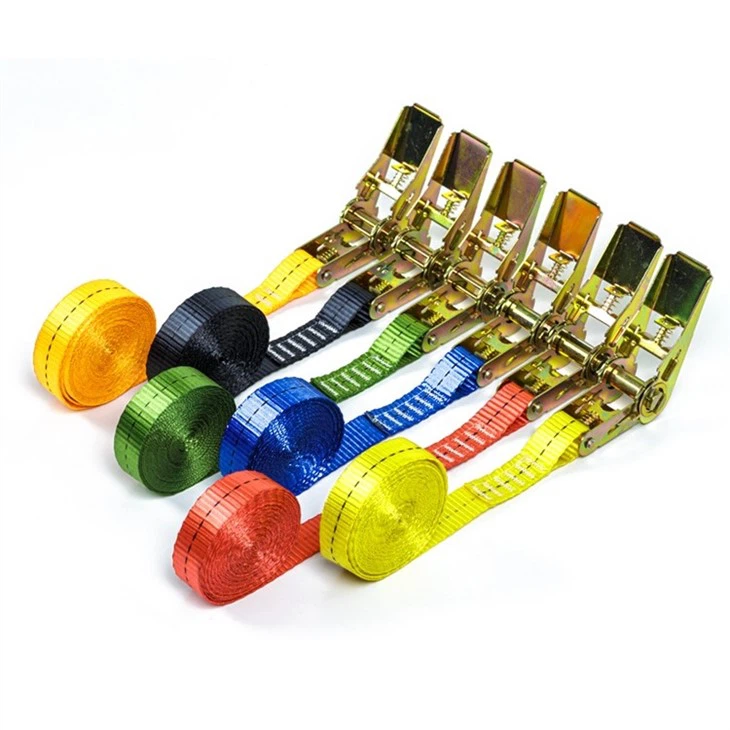
As a leading supplier of ratchet strap tensioners, we offer a wide range of products to meet your needs. Whether you're looking for Tractor Tie Down Straps for securing heavy equipment, Automotive Tie Down Straps for transporting vehicles, or Ratchet Rope Straps for general cargo, we have the right solution for you.
Our ratchet strap tensioners are made from high-quality materials and are designed to provide reliable performance. They are built to withstand the rigors of heavy use and are available in a variety of sizes and capacities. We also offer a range of accessories, such as hooks and end fittings, to ensure that you have everything you need to secure your cargo safely.

Contact Us for Your Ratchet Strap Tensioner Needs
If you're experiencing problems with a jammed ratchet strap tensioner or if you're in the market for a new tensioner, we're here to help. Our team of experts can provide you with advice on how to handle your specific situation and can recommend the right product for your needs. We also offer competitive pricing and fast shipping to ensure that you get the products you need when you need them.
Don't let a jammed ratchet strap tensioner slow you down. Contact us today to learn more about our products and services and to start securing your cargo with confidence.
References
- "Ratchet Strap Tensioner Maintenance Guide." Manufacturer's Manual.
- "Best Practices for Using Ratchet Straps." Industry Publication.