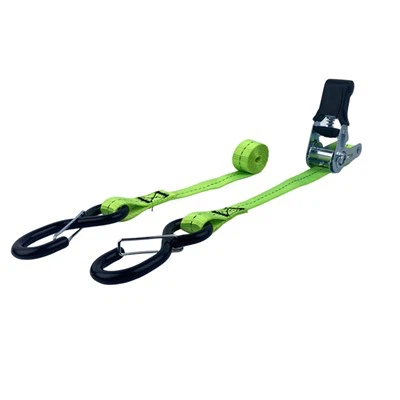
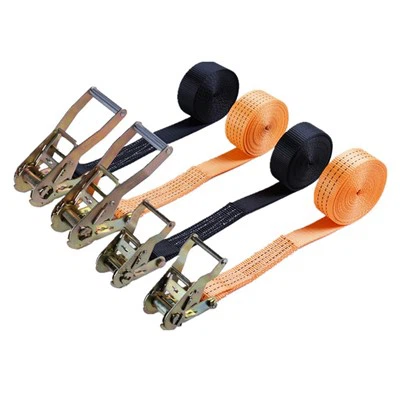
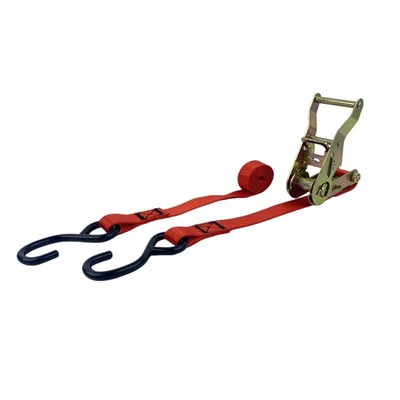
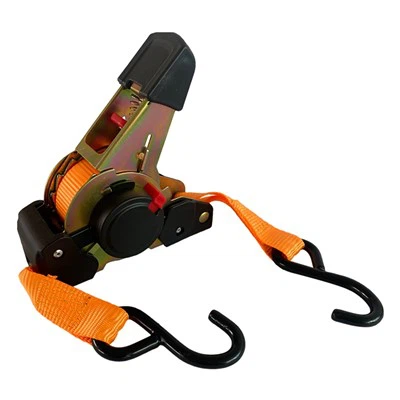
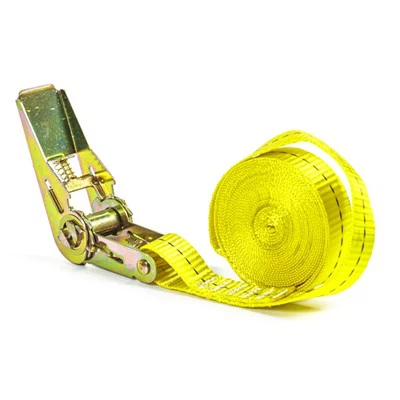
As a trusted supplier of marine ratchet straps, I understand the importance of proper storage during the off - season. Marine ratchet straps are essential tools for securing loads on boats, trailers, and other marine applications. They are constantly exposed to harsh marine environments, including saltwater, UV rays, and extreme temperatures. If not stored correctly, these factors can significantly reduce the lifespan of the straps and compromise their performance. In this blog, I'll share some scientific and practical tips on how to store marine ratchet straps during the off - season.
1. Cleaning the Straps
Before storing your marine ratchet straps, it's crucial to clean them thoroughly. Saltwater, dirt, and grime can accumulate on the straps over time, leading to corrosion of the metal components and degradation of the webbing.


- Webbing Cleaning: Start by rinsing the webbing with fresh water to remove any loose dirt and salt. Then, use a mild soap or a specialized strap cleaner. Gently scrub the webbing with a soft brush to ensure all contaminants are removed. Pay special attention to the areas where the webbing passes through the ratchet mechanism, as dirt can get trapped there. After scrubbing, rinse the webbing again with fresh water until all the soap is gone.
- Metal Component Cleaning: The ratchet mechanism and other metal parts are prone to rust. Use a wire brush to remove any rust or corrosion on the metal surfaces. You can also use a rust - remover solution for more stubborn rust. Once the rust is removed, wipe the metal parts dry with a clean cloth. Apply a thin layer of lubricant, such as silicone spray or a light machine oil, to the ratchet mechanism to prevent future rusting and ensure smooth operation.
2. Drying the Straps
Proper drying is essential to prevent mold and mildew growth on the webbing and rust on the metal components.
- Air Drying: Hang the cleaned straps in a well - ventilated area away from direct sunlight. Sunlight can cause the webbing to fade and weaken over time. Allow the straps to air dry completely. This may take several hours, depending on the humidity and temperature. Make sure the straps are fully dry before proceeding to the next step, as any remaining moisture can lead to damage during storage.
- Checking for Dryness: To ensure the straps are dry, you can touch the webbing and the metal parts. They should feel dry to the touch, and there should be no signs of moisture. You can also check the areas inside the ratchet mechanism to make sure they are dry.
3. Inspecting the Straps
Before storing the straps, conduct a thorough inspection to identify any signs of damage.
- Webbing Inspection: Look for cuts, frays, or tears in the webbing. Even small cuts can weaken the strap and make it unsafe for use. If you find any damaged areas, you can either repair the webbing using a suitable repair kit or replace the strap if the damage is severe.
- Ratchet Mechanism Inspection: Check the ratchet mechanism for any signs of wear or damage. Make sure the teeth of the ratchet are in good condition and that the pawl engages and disengages smoothly. If there are any issues with the ratchet mechanism, it may need to be repaired or replaced.
4. Choosing the Right Storage Location
The storage location plays a vital role in maintaining the quality of the marine ratchet straps.
- Temperature and Humidity: Choose a storage area with a stable temperature and low humidity. High humidity can cause rust on the metal parts and mold growth on the webbing. A temperature - controlled storage unit is ideal, but if that's not available, a dry basement or a closet in a well - insulated room can work. Avoid storing the straps in areas prone to flooding or extreme temperature fluctuations, such as attics or garages without proper insulation.
- Protection from UV Rays: UV rays can cause the webbing to degrade over time, making it weaker and more prone to damage. Store the straps in a dark place or use a storage container that blocks UV rays. You can also cover the straps with a UV - resistant tarp if they are stored in an open area.
- Avoiding Physical Damage: Make sure the storage area is free from sharp objects or heavy items that could damage the straps. Store the straps in a place where they won't be stepped on, crushed, or tangled with other items.
5. Proper Storage Methods
There are several ways to store marine ratchet straps effectively.
- Coiling the Straps: Coil the webbing neatly to prevent tangling. Start from one end of the strap and make even coils. You can use a strap coiler tool to make the coiling process easier and more uniform. Once the webbing is coiled, you can secure the coil with a small piece of tape or a rubber band to keep it in place.
- Using Storage Containers: Store the coiled straps in a plastic storage container or a fabric storage bag. This will protect the straps from dust, dirt, and moisture. Label the container or bag with the type and size of the straps for easy identification. You can also add a desiccant packet to the container to absorb any remaining moisture.
- Hanging the Straps: If you prefer, you can hang the straps on a wall using hooks or a pegboard. This method keeps the straps organized and easily accessible. Make sure the hooks are strong enough to hold the weight of the straps and that the straps are hung in a way that they won't be stretched or damaged.
6. Additional Tips for Long - Term Storage
- Periodic Checks: Even during the off - season, it's a good idea to check the stored straps periodically. This allows you to detect any signs of damage or deterioration early and take appropriate action.
- Updating Inventory: Keep an inventory of your stored marine ratchet straps. This includes information such as the type, size, and purchase date of each strap. This will help you keep track of your stock and plan for replacements when necessary.
Conclusion
Proper storage of marine ratchet straps during the off - season is crucial for maintaining their quality and extending their lifespan. By following these steps, you can ensure that your straps are in good condition when you need them again. As a supplier of marine ratchet straps, I offer a wide range of high - quality products, including Auto Retractable Straps, Load Tie Down Straps, and Retractable Ratchet Tie Down. If you have any questions about our products or need advice on strap storage, feel free to contact us for procurement and further discussions.
References
- "Marine Hardware and Rigging Handbook" by Nigel Calder
- "The Complete Guide to Boat Maintenance" by Don Casey