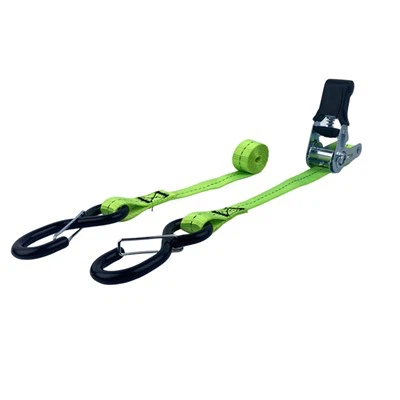
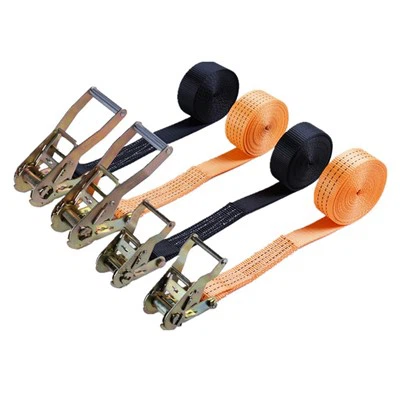
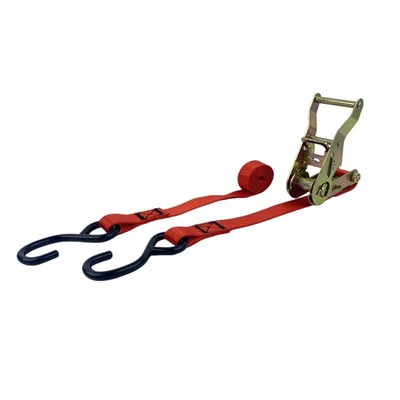
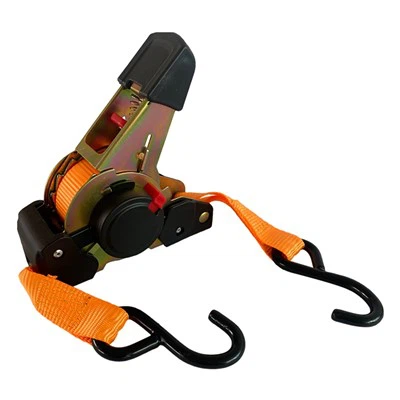
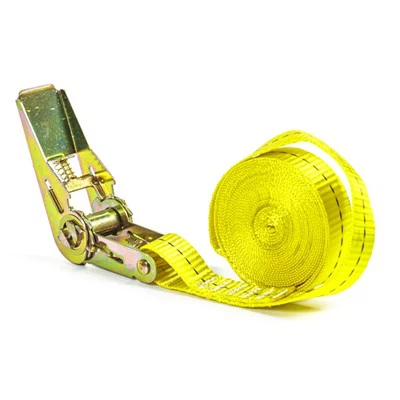
Hey there! As a supplier of high-quality ratchet straps, I've seen firsthand the importance of testing the quality of these essential tools. Whether you're using them for securing cargo on a trailer, tying down equipment, or any other application, you need to be confident that your ratchet straps can handle the job. In this blog post, I'll share some tips on how to test the quality of ratchet straps to ensure you're getting the best product for your needs.
Visual Inspection
The first step in testing the quality of ratchet straps is a visual inspection. This is a simple but crucial step that can help you identify any obvious signs of damage or wear. Here's what you should look for:
- Cuts and Tears: Check the webbing of the strap for any cuts, tears, or fraying. Even small cuts can weaken the strap and reduce its strength, so it's important to replace any damaged straps immediately.
- Hardware Damage: Inspect the ratchet mechanism, hooks, and other hardware for any signs of damage, such as cracks, bends, or rust. Damaged hardware can affect the performance of the strap and pose a safety risk.
- Stitching: Look at the stitching on the strap to make sure it's strong and secure. Loose or frayed stitching can cause the strap to come apart under tension, so it's important to check this carefully.
Tensile Strength Testing
Tensile strength is one of the most important factors to consider when testing the quality of ratchet straps. This refers to the maximum amount of force the strap can withstand before breaking. To test the tensile strength of a ratchet strap, you'll need a specialized testing machine. However, there are some simple ways to get an idea of the strap's strength:
- Load Rating: Check the load rating of the strap, which is usually printed on the webbing. This will give you an idea of the maximum weight the strap is designed to handle. Make sure you choose a strap with a load rating that is appropriate for your application.
- Tug Test: Give the strap a gentle tug to see how it feels. A high-quality strap should feel strong and sturdy, with no give or stretching. If the strap feels weak or flimsy, it may not be able to handle the weight you need it to.
Ratchet Mechanism Testing
The ratchet mechanism is what allows you to tighten and loosen the strap, so it's important to make sure it's working properly. Here's how you can test the ratchet mechanism:
- Ease of Use: Try tightening and loosening the strap using the ratchet mechanism. It should be easy to operate, with no sticking or jamming. If the ratchet is difficult to turn or doesn't work smoothly, it may be a sign of a problem.
- Locking Mechanism: Check the locking mechanism to make sure it's secure. The ratchet should lock in place when you tighten the strap, and it should not release accidentally. If the locking mechanism is loose or doesn't work properly, the strap may come undone under tension.
Chemical Resistance Testing
If you're using ratchet straps in harsh environments, such as in the presence of chemicals or extreme temperatures, it's important to test their chemical resistance. Here's how you can do this:
- Exposure Test: Apply a small amount of the chemical or substance you'll be using the strap in contact with to a small area of the webbing. Leave it for a few hours or overnight, then check the webbing for any signs of damage or discoloration. If the webbing shows signs of damage, the strap may not be suitable for use in that environment.
- Temperature Test: If you'll be using the strap in extreme temperatures, you can test its performance by placing it in a freezer or oven for a few hours. Then, check the strap for any signs of damage or changes in its properties. A high-quality strap should be able to withstand a wide range of temperatures without losing its strength or flexibility.
UV Resistance Testing
If you're using ratchet straps outdoors, they'll be exposed to sunlight and UV rays, which can cause the webbing to degrade over time. To test the UV resistance of a ratchet strap, you can do the following:


- Sun Exposure Test: Place the strap in direct sunlight for a few days or weeks, then check the webbing for any signs of fading, cracking, or weakening. A high-quality strap should be able to withstand prolonged sun exposure without losing its strength or color.
- UV Stabilization: Look for ratchet straps that are made with UV-stabilized webbing. This will help protect the strap from the damaging effects of UV rays and extend its lifespan.
Abrasion Resistance Testing
Ratchet straps are often used in applications where they may come into contact with rough surfaces, such as metal or concrete. To test the abrasion resistance of a ratchet strap, you can do the following:
- Rubbing Test: Rub the strap against a rough surface, such as a piece of sandpaper or a metal edge. Check the webbing for any signs of wear or damage. A high-quality strap should be able to withstand abrasion without losing its strength or integrity.
- Abrasion-Resistant Webbing: Look for ratchet straps that are made with abrasion-resistant webbing. This will help protect the strap from damage caused by friction and extend its lifespan.
Conclusion
Testing the quality of ratchet straps is an important step to ensure you're getting a product that is safe, reliable, and durable. By following the tips outlined in this blog post, you can test the visual appearance, tensile strength, ratchet mechanism, chemical resistance, UV resistance, and abrasion resistance of your ratchet straps. Remember to always choose a high-quality strap that is appropriate for your application and to replace any damaged or worn straps immediately.
If you're in the market for high-quality ratchet straps, we've got you covered. Our Ratchet Strap Tensioner is designed to provide maximum tension and security, while our Straps and Tie Downs come in a variety of sizes and load ratings to meet your specific needs. And if you need heavy-duty straps for your toughest jobs, check out our Heavy Ratchet Straps.
We're committed to providing our customers with the best products and services, so if you have any questions or need help choosing the right ratchet straps for your application, don't hesitate to contact us. We'd love to hear from you and help you find the perfect solution for your needs.
References
- "Ratchet Straps: A Guide to Choosing the Right One." Cargo Control, [Date Accessed].
- "How to Test the Quality of Ratchet Straps." Industrial Webbing Supply, [Date Accessed].
- "The Importance of Tensile Strength in Ratchet Straps." Tie Down Engineering, [Date Accessed].