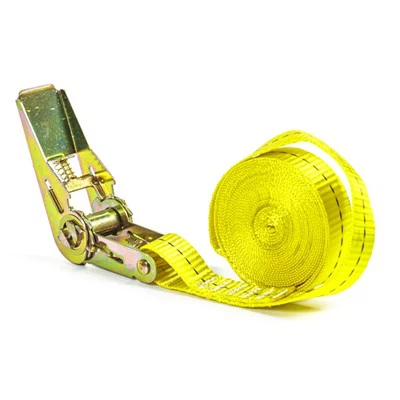
Using marine ratchet straps in confined spaces presents unique challenges and requires specific techniques to ensure both safety and effectiveness. As a seasoned supplier of Marine Ratchet Straps, I've witnessed firsthand the importance of proper usage, especially when dealing with limited areas. In this blog, I'll share some valuable insights on how to use these straps in confined spaces efficiently.
Understanding the Environment
Before you start using marine ratchet straps in confined spaces, it's crucial to thoroughly assess the environment. Confined spaces can vary widely, from small storage compartments on boats to tight corners in shipping containers. Each space has its own set of obstacles, such as sharp edges, irregular surfaces, or limited access points.
Inspect the area for any potential hazards that could damage the straps or compromise their performance. Look for rough edges that might cut through the webbing or protruding objects that could prevent the straps from laying flat. Additionally, consider the available space for maneuvering the ratchet mechanism. You need to ensure that you have enough room to operate the ratchet smoothly without hitting any obstacles.
Selecting the Right Straps
Choosing the appropriate marine ratchet straps is essential for successful use in confined spaces. The size, strength, and design of the straps should match the specific requirements of the task and the environment.
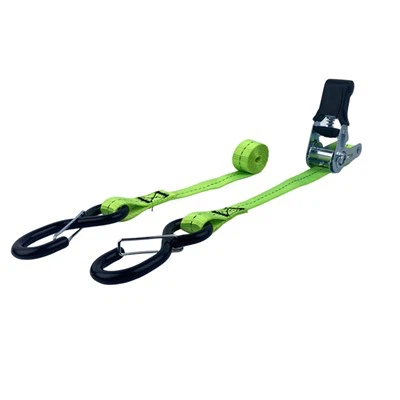
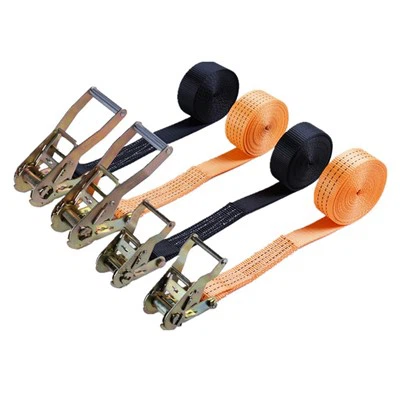
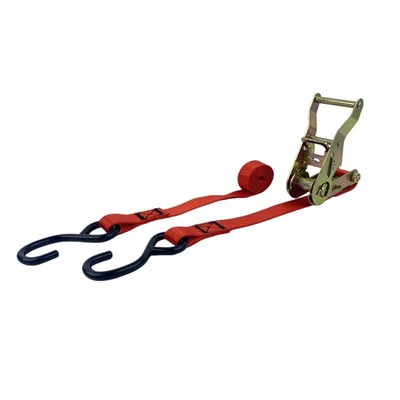
For confined spaces, shorter straps are often more practical as they are easier to handle and less likely to get tangled. However, make sure the straps are still long enough to secure the load properly. Consider the weight and size of the items you need to secure and select straps with a suitable working load limit (WLL). Our Professional Ratchet Straps come in a variety of lengths and WLLs, allowing you to choose the perfect option for your confined space needs.
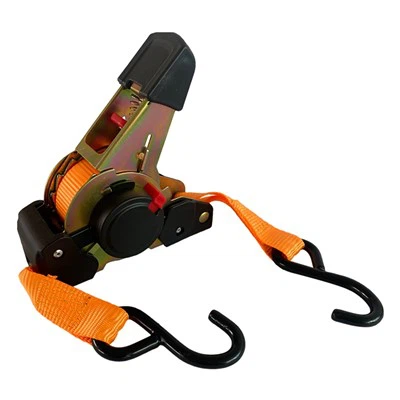
In addition to length and strength, pay attention to the design of the ratchet mechanism. Some ratchets are more compact and easier to operate in tight spaces than others. Look for ratchets with a low-profile design or a quick-release feature that allows for easy adjustment and removal.
Preparation and Setup
Once you've selected the right straps, it's time to prepare them for use. Start by inspecting the straps for any signs of damage, such as frayed webbing, broken buckles, or malfunctioning ratchets. If you notice any issues, replace the damaged parts or the entire strap to ensure safe operation.
Next, lay out the straps in the confined space and position them where you want to secure the load. Make sure the straps are straight and free of twists or kinks. If possible, use a smooth surface or a padding material to protect the straps from sharp edges or rough surfaces.
Attach the hooks or buckles of the straps to the appropriate anchor points on the load and the surrounding structure. Ensure that the hooks are securely fastened and that the straps are properly aligned. If the anchor points are not strong enough, consider using additional reinforcement or alternative attachment methods.
Tightening the Straps
Tightening the marine ratchet straps in confined spaces requires a careful approach to avoid over-tightening or damaging the load. Start by inserting the loose end of the strap through the ratchet mechanism and pulling it tight. Then, use the ratchet handle to gradually tighten the strap, applying even pressure to ensure a secure hold.
In confined spaces, it may be necessary to use a smaller ratchet handle or a socket wrench to operate the ratchet. This can help you gain more leverage and control over the tightening process. Be careful not to over-tighten the straps, as this can cause damage to the load or the straps themselves.
As you tighten the straps, periodically check the tension to ensure that it is evenly distributed across the load. If you notice any areas where the tension is too high or too low, adjust the straps accordingly. Use a tension gauge or your own judgment to determine the appropriate level of tension.
Securing the Load
Once the straps are tightened, it's important to secure the load to prevent it from shifting or moving during transit. This can be especially challenging in confined spaces, where there may be limited room for additional support.
One effective way to secure the load is to use additional straps or tie-downs to create a crisscross pattern. This helps to distribute the weight of the load evenly and prevent it from sliding or tipping over. You can also use padding or cushioning materials to protect the load from damage and reduce the risk of movement.
If possible, use a locking mechanism or a safety clip to prevent the ratchet from accidentally releasing. This adds an extra layer of security and ensures that the load remains tightly secured.
Safety Considerations
When using marine ratchet straps in confined spaces, safety should always be your top priority. Here are some important safety considerations to keep in mind:
- Wear appropriate safety gear: Always wear gloves and safety glasses to protect your hands and eyes from potential injuries.
- Follow the manufacturer's instructions: Read and follow the instructions provided by the manufacturer for the proper use and maintenance of the straps.
- Inspect the straps regularly: Before each use, inspect the straps for any signs of damage or wear. Replace any damaged straps immediately.
- Use the correct working load limit: Make sure the straps you use have a WLL that is suitable for the weight and size of the load.
- Avoid overloading the straps: Do not exceed the WLL of the straps, as this can cause them to break and result in serious injury or damage.
- Be careful when operating the ratchet: Use caution when operating the ratchet mechanism to avoid pinching your fingers or causing other injuries.
- Keep the work area clean and organized: Remove any clutter or debris from the confined space to prevent tripping hazards and ensure a clear working area.
Maintenance and Storage
Proper maintenance and storage of marine ratchet straps are essential to ensure their longevity and performance. After each use, clean the straps with a mild soap and water solution to remove any dirt, debris, or saltwater. Rinse the straps thoroughly and allow them to dry completely before storing them.
Store the straps in a cool, dry place away from direct sunlight and extreme temperatures. Avoid storing the straps in a tightly coiled or twisted position, as this can cause damage to the webbing. Instead, hang the straps or lay them flat to prevent kinks and wrinkles.


Periodically inspect the straps for any signs of wear or damage, and replace them if necessary. By following these maintenance and storage tips, you can extend the life of your marine ratchet straps and ensure their reliable performance in confined spaces.
Conclusion
Using marine ratchet straps in confined spaces requires careful planning, proper selection, and safe operation. By following the tips and techniques outlined in this blog, you can ensure that your straps are used effectively and safely in any confined space.
As a supplier of Marine Ratchet Straps, we are committed to providing high-quality products and expert advice to help you meet your needs. If you have any questions or need assistance in selecting the right straps for your confined space application, please don't hesitate to contact us. We look forward to working with you to ensure the safe and secure transportation of your valuable cargo.
References
- "Marine Ratchet Straps: A Guide to Safe and Effective Use." BoatUS Foundation for Boating Safety and Clean Water.
- "How to Use Ratchet Straps." Harbor Freight Tools.
- "Ratchet Straps: Tips and Tricks for Proper Use." The Home Depot.