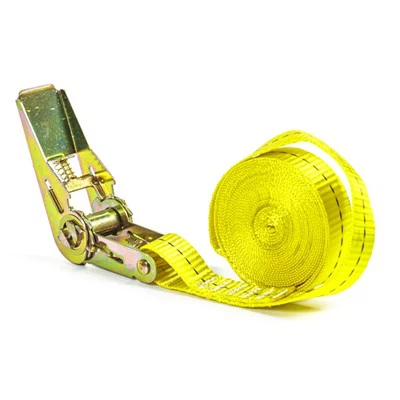
In the world of cargo transportation and securing loads, load tie down straps have become an indispensable tool. As a supplier of these essential products, I've seen firsthand the widespread use and benefits they offer. However, like any product, load tie down straps also come with their fair share of disadvantages. Understanding these drawbacks is crucial for both users and suppliers to ensure safe and efficient use of these straps.
1. Limited Durability
One of the most significant disadvantages of load tie down straps is their limited durability. These straps are often exposed to harsh environmental conditions, including extreme temperatures, UV rays, and moisture. Over time, these factors can cause the material of the straps to degrade, leading to weakened strength and potential failure.
For example, nylon straps, which are commonly used due to their high strength and flexibility, can be damaged by prolonged exposure to sunlight. The UV rays break down the molecular structure of the nylon, making it more prone to tearing and fraying. Similarly, polyester straps, while more resistant to UV rays, can be affected by moisture, especially in high - humidity environments. The moisture can cause the straps to rot or develop mold, reducing their effectiveness.
Even in normal use, the constant tension and friction on the straps during loading and unloading can cause wear and tear. The edges of the straps may start to fray, and the stitching may come loose. This not only reduces the overall strength of the strap but also poses a safety risk, as a frayed or damaged strap may suddenly break under load.
2. Inadequate Strength for Heavy Loads
While load tie down straps come in various strengths and capacities, there are limitations to how much weight they can safely secure. For extremely heavy loads, such as large machinery or industrial equipment, standard tie down straps may not provide sufficient strength.
The strength of a tie down strap is typically rated in pounds or kilograms, and it's important to choose a strap with a rating that exceeds the weight of the load. However, in some cases, the available straps may not have a high enough rating for the specific application. This can lead to over - stressing of the straps, increasing the likelihood of failure.
For instance, if you're trying to secure a piece of heavy construction equipment that weighs several tons, using a strap with a relatively low weight capacity can be extremely dangerous. The strap may stretch beyond its limits or break under the pressure, causing the load to shift or fall during transportation.
3. Difficulty in Adjustment
Another drawback of load tie down straps is the difficulty in achieving the right level of tension. Proper tension is crucial for ensuring that the load is securely fastened and does not shift during transit. However, adjusting the tension on some types of straps can be a challenging and time - consuming process.


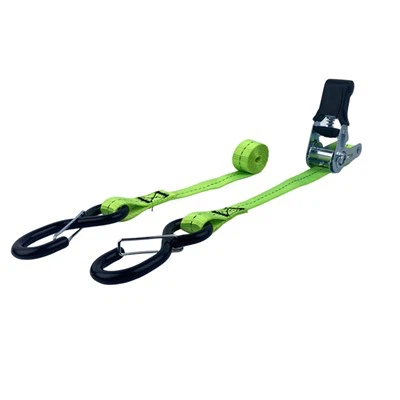
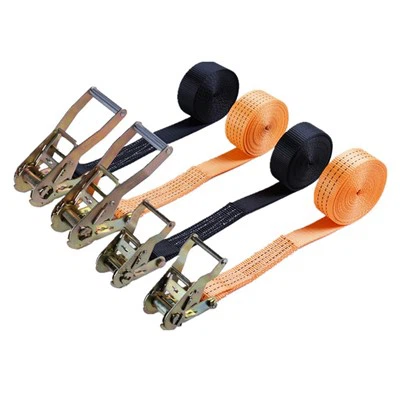
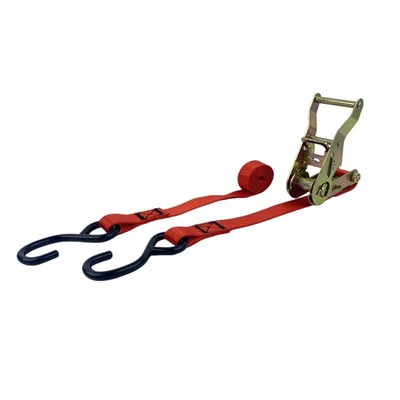
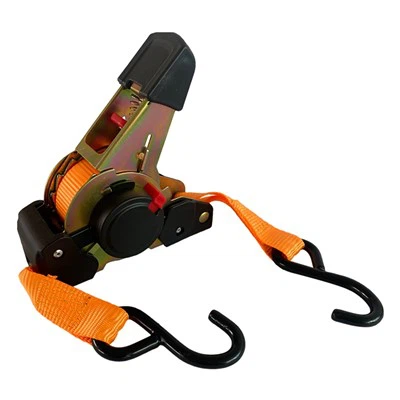
Ratchet straps, which are widely used for their ability to provide high tension, require some skill and effort to operate. The ratcheting mechanism can be difficult to engage and disengage, especially if the strap is under a lot of tension. This can make it hard to achieve the precise level of tension needed, and it may also lead to over - tightening or under - tightening of the strap.
In addition, some straps may stretch during use, which can cause the tension to decrease over time. This means that the load may become less secure, and the user may need to readjust the straps periodically to maintain the proper tension.
4. Compatibility Issues
Load tie down straps need to be compatible with the type of load and the securing points on the vehicle or trailer. However, achieving this compatibility can sometimes be a problem.
Different loads have different shapes and surfaces, and not all straps are suitable for all types of loads. For example, a flat - webbing strap may not be the best choice for securing a round or irregularly shaped object, as it may not grip the load effectively. In such cases, specialized straps, such as chain straps or netting, may be required.
Moreover, the securing points on the vehicle or trailer need to be strong enough to withstand the tension applied by the straps. If the securing points are not properly designed or installed, they may pull out or break under the force of the straps, rendering the entire securing system ineffective.
5. Safety Risks During Use
Using load tie down straps also poses certain safety risks. When tightening the straps, there is a risk of injury from the ratcheting mechanism or the sudden release of tension. If the strap breaks or slips during tightening, it can cause serious harm to the user.
In addition, improper use of the straps can lead to accidents. For example, if the straps are not properly attached to the load or the securing points, they may come loose during transportation, causing the load to shift or fall. This can not only damage the load but also pose a danger to other road users.
Mitigating the Disadvantages
Despite these disadvantages, there are ways to mitigate the risks associated with using load tie down straps.
- Regular Inspection and Maintenance: Regularly inspect the straps for signs of wear and tear, such as fraying, stitching damage, or degradation of the material. Replace any damaged straps immediately.
- Proper Selection: Choose the right type and strength of strap for the specific load. Consider factors such as the weight, shape, and surface of the load, as well as the environmental conditions.
- Training: Provide proper training to users on how to correctly use and adjust the straps. This includes how to achieve the right level of tension, how to engage and disengage the ratcheting mechanism safely, and how to properly attach the straps to the load and securing points.
As a supplier of load tie down straps, I offer a wide range of products to meet different needs. Our Extra Long Ratchet Straps are perfect for securing large or long loads, while our Truck Ratchet Tie Down Straps are designed specifically for use on trucks. We also have Cargo Straps For Trailers that are suitable for various trailer applications.
If you're in the market for high - quality load tie down straps or have any questions about our products, I encourage you to reach out. We're here to help you find the best solutions for your cargo securing needs. Whether you're a small business owner transporting goods or a large - scale industrial operation, we have the expertise and products to meet your requirements. Contact us today to start a discussion about your specific needs and explore how our load tie down straps can work for you.
References
- "Cargo Securement Handbook" by the Federal Motor Carrier Safety Administration
- "The Basics of Tie - Down Straps" by various industry publications
- Personal experience and knowledge gained from supplying load tie down straps over the years.