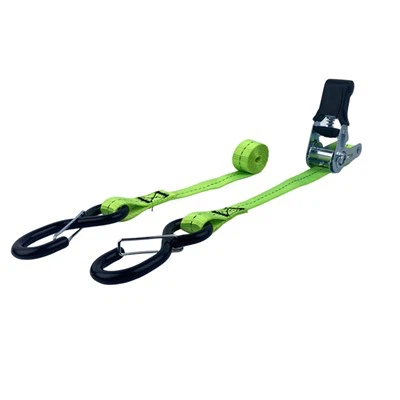
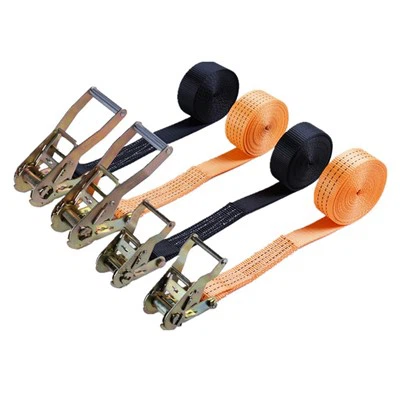
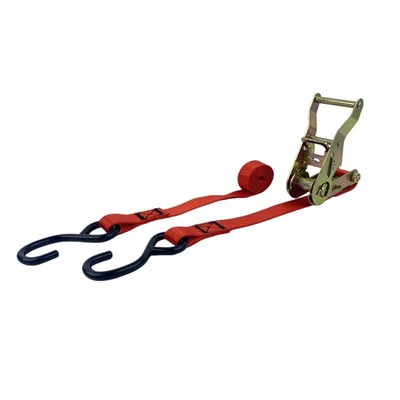
When it comes to transporting goods, load tie down straps are indispensable tools. As a trusted supplier of load tie down straps, I understand the significance of using these products safely. In this blog, I'll share some essential safety precautions to keep in mind when using load tie down straps, ensuring both your safety and the security of your cargo.
1. Pre - use Inspection
Before using any load tie down strap, a thorough inspection is crucial. First, check the strap for any visible signs of damage. Look for cuts, frays, or abrasions on the webbing. Even a small cut can significantly weaken the strap, reducing its load - bearing capacity. A damaged strap may break under stress, leading to cargo shifting or even falling off during transportation.
Examine the hardware components as well. This includes hooks, buckles, and ratchets. Ensure that the hooks are not bent, cracked, or have any signs of excessive wear. Bent hooks may not hold properly, and cracked ones can fail suddenly. The ratchet mechanism should operate smoothly without any jams or loose parts. If you notice any issues during the inspection, do not use the strap. Instead, replace it with a new one.
2. Selecting the Right Strap
Choosing the appropriate load tie down strap for your specific application is vital. Consider the weight and size of your cargo. Different straps have different weight ratings, and it's essential to select a strap that can handle the load. For heavier loads, you might need 5 Ton Straps. These high - strength straps are designed to secure large and heavy items such as construction equipment or industrial machinery.
The type of cargo also matters. If you're transporting items on a boat or in a marine environment, Marine Ratchet Straps are the way to go. These straps are made from materials that are resistant to water, salt, and UV rays, preventing corrosion and degradation over time. For long - distance hauls or when you need to secure cargo over a large area, Extra Long Ratchet Straps can provide the necessary length.
3. Proper Attachment
Correct attachment of the load tie down straps is a fundamental safety measure. When using hooks, make sure they are properly engaged. The hooks should be attached to secure anchor points on the vehicle or trailer. Avoid attaching the hooks to parts that are not designed to bear the load, such as weak or rusty brackets.
If you're using a ratchet strap, thread the strap through the ratchet correctly. Ensure that the strap is not twisted, as this can reduce its strength and cause uneven tension. When tightening the strap, use the ratchet handle in a smooth and controlled manner. Do not over - tighten the strap, as this can damage the cargo or the strap itself. On the other hand, under - tightening can result in the cargo shifting during transit.
4. Tensioning
Maintaining the right tension in the load tie down straps is critical. Once you've attached the straps, tighten them to the appropriate level. You can use a tension gauge to measure the tension accurately. The tension should be sufficient to hold the cargo firmly in place but not so high that it causes damage.
During transportation, vibrations and movements can cause the straps to loosen over time. Therefore, it's a good practice to check the tension of the straps periodically, especially after the first few miles of the journey. If you notice that the straps have loosened, retighten them immediately.
5. Avoiding Sharp Edges
Sharp edges can pose a significant threat to load tie down straps. When securing cargo, make sure that the straps do not come into contact with sharp objects. If there are sharp edges on the cargo, use edge protectors. These can be made of rubber, plastic, or other soft materials and are placed between the strap and the sharp edge. Edge protectors prevent the strap from being cut or abraded by the sharp object, prolonging the life of the strap and ensuring its safety.
6. Storage
Proper storage of load tie down straps is also important for their long - term safety and performance. After use, clean the straps to remove any dirt, debris, or chemicals. Hang the straps in a dry, cool place away from direct sunlight. Exposure to sunlight can cause the webbing to fade and weaken over time.

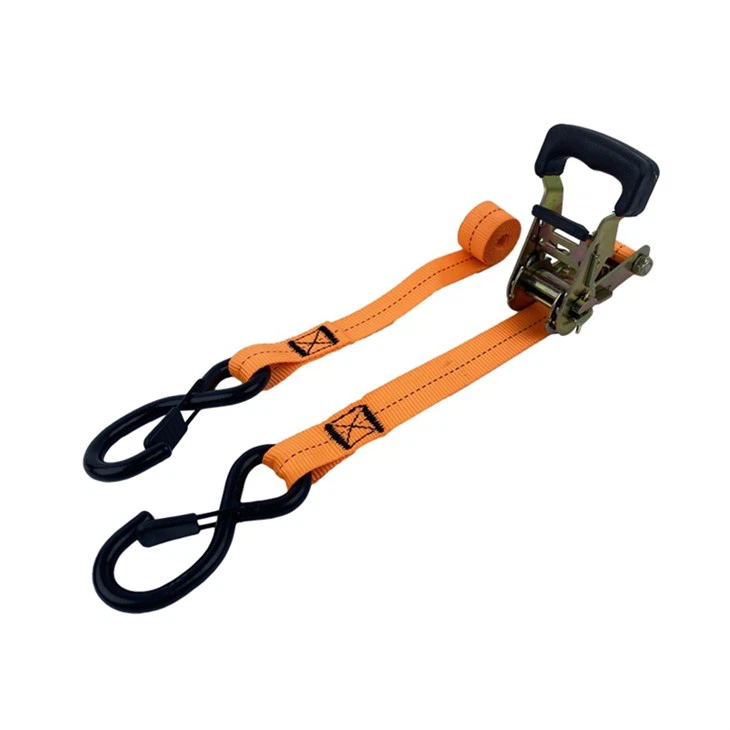
Do not store the straps in a damp environment, as this can lead to mold and mildew growth, which can damage the strap. If the straps are not going to be used for an extended period, consider storing them in a protective bag to prevent dust and damage.
7. Training
If you're part of a team that uses load tie down straps, ensure that all team members are properly trained. Training should cover the inspection, selection, attachment, tensioning, and storage of the straps. Untrained personnel may not use the straps correctly, which can lead to safety hazards.
Provide hands - on training sessions where employees can practice using the straps under supervision. This will help them gain confidence and ensure that they understand the proper procedures. Regular refresher courses can also be beneficial to keep everyone up - to - date with the latest safety practices.
8. Complying with Regulations
Different regions may have specific regulations regarding the use of load tie down straps. It's your responsibility to be aware of and comply with these regulations. These regulations may cover aspects such as the minimum number of straps required for a certain type of cargo, the weight ratings of the straps, and the proper attachment methods.
Failure to comply with these regulations can result in fines and, more importantly, put your safety and the safety of others at risk. Stay informed about the local laws and make sure that your operations are in full compliance.
As a load tie down strap supplier, I'm committed to providing high - quality products and sharing safety knowledge with our customers. If you have any questions about load tie down straps or need help selecting the right products for your needs, please feel free to contact us. We're here to assist you in making the best choices for your cargo transportation needs and ensuring the safety of your operations.
References
- "Cargo Securement Handbook" by the Federal Motor Carrier Safety Administration
- Industry standards and guidelines for load tie down straps manufacturers