Load tie down straps are essential tools for securing cargo during transportation. They come in two main types: elastic and non-elastic. Understanding the differences between these two types of straps is crucial for making the right choice for your specific needs. As a load tie down straps supplier, I'm here to shed light on these differences to help you make an informed decision.
Elastic Load Tie Down Straps
Elastic load tie down straps, also known as bungee cords or shock cords, are made from stretchable materials such as rubber or elasticized fabric. These straps have the ability to stretch and return to their original shape, which makes them ideal for applications where some degree of flexibility is required.
One of the primary advantages of elastic straps is their ability to absorb shock and vibrations. When transporting cargo that may shift or move during transit, elastic straps can help prevent damage by allowing for some movement while still maintaining a secure hold. For example, if you're transporting a load of bicycles on a roof rack, elastic straps can stretch to accommodate the movement of the bikes without loosening or coming undone.
Another benefit of elastic straps is their ease of use. They are typically lightweight and easy to handle, making them a popular choice for quick and simple tie-down jobs. You can easily stretch the strap over the cargo and secure it in place using hooks or clips. Additionally, elastic straps are often more forgiving when it comes to adjusting the tension, as they can stretch to fit different sizes and shapes of cargo.
However, elastic straps also have some limitations. Over time, the elastic material can lose its stretchiness and become less effective at holding the cargo in place. This is especially true if the straps are exposed to extreme temperatures, sunlight, or chemicals. Additionally, elastic straps may not be suitable for heavy or large loads, as they may not provide enough strength and stability to secure the cargo properly.
Non-Elastic Load Tie Down Straps
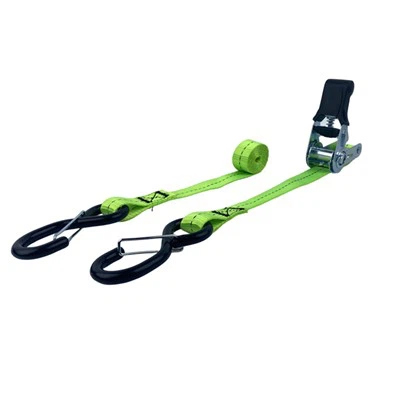
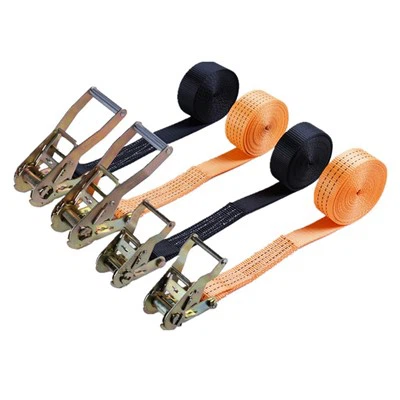
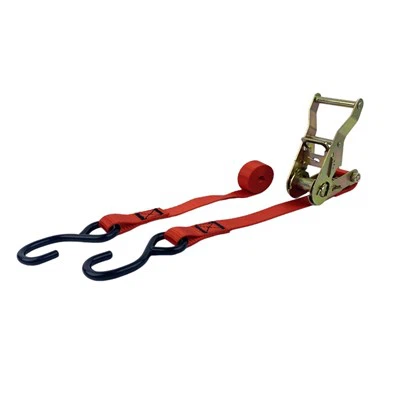
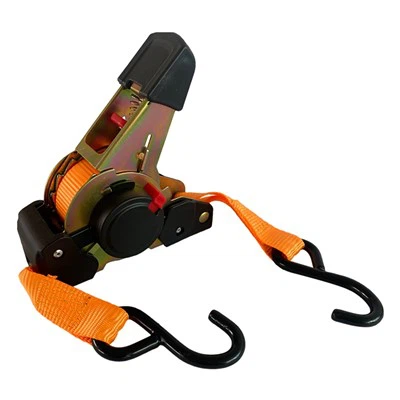
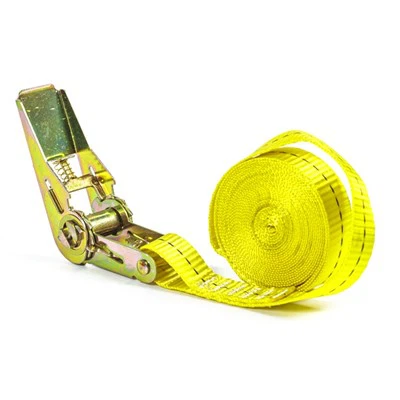
Non-elastic load tie down straps, also known as ratchet straps or cam straps, are made from non-stretchable materials such as polyester or nylon. These straps are designed to provide a strong and secure hold on the cargo, making them ideal for heavy or large loads.
One of the main advantages of non-elastic straps is their strength and durability. They are typically made from high-quality materials that can withstand heavy loads and harsh conditions. Non-elastic straps are also less likely to stretch or break under tension, providing a more reliable and secure hold on the cargo.
Another benefit of non-elastic straps is their ability to provide precise tension adjustment. Ratchet straps, in particular, use a ratcheting mechanism to tighten the strap and hold it in place. This allows you to apply the exact amount of tension needed to secure the cargo, ensuring a tight and stable fit. Cam straps, on the other hand, use a cam buckle to tighten the strap, which is also a reliable and easy-to-use method of tension adjustment.
Non-elastic straps are also more versatile than elastic straps, as they can be used for a wide range of applications. They are commonly used in the transportation industry to secure cargo on trucks, trailers, and ships. They can also be used in other industries, such as construction, agriculture, and manufacturing, for securing equipment, machinery, and other heavy items.


However, non-elastic straps also have some drawbacks. They are typically heavier and more difficult to handle than elastic straps, which can make them less convenient for quick and simple tie-down jobs. Additionally, non-elastic straps may require more time and effort to adjust the tension, especially if you're using a ratchet strap.
Key Differences Between Elastic and Non-Elastic Load Tie Down Straps
Now that we've discussed the characteristics of elastic and non-elastic load tie down straps, let's summarize the key differences between the two:
- Stretchability: Elastic straps can stretch and return to their original shape, while non-elastic straps are designed to be non-stretchable.
- Strength and Durability: Non-elastic straps are generally stronger and more durable than elastic straps, making them suitable for heavy or large loads.
- Shock Absorption: Elastic straps can absorb shock and vibrations, while non-elastic straps provide a more rigid and stable hold.
- Ease of Use: Elastic straps are lightweight and easy to handle, while non-elastic straps may require more time and effort to adjust the tension.
- Versatility: Non-elastic straps are more versatile than elastic straps and can be used for a wider range of applications.
Choosing the Right Load Tie Down Straps
When choosing between elastic and non-elastic load tie down straps, it's important to consider the specific requirements of your application. Here are some factors to keep in mind:
- Load Size and Weight: For heavy or large loads, non-elastic straps are usually the better choice, as they provide more strength and stability. Elastic straps may be suitable for lighter loads or for applications where some degree of flexibility is required.
- Type of Cargo: Consider the shape, size, and nature of the cargo you need to secure. If the cargo is likely to shift or move during transit, elastic straps may be a good option to absorb the shock and prevent damage. If the cargo is heavy or irregularly shaped, non-elastic straps may be more appropriate to provide a secure hold.
- Environment: Think about the conditions in which the straps will be used. If the straps will be exposed to extreme temperatures, sunlight, or chemicals, non-elastic straps may be more durable and long-lasting. Elastic straps may be more prone to damage in these conditions.
- Ease of Use: If you need to secure the cargo quickly and easily, elastic straps may be the better choice. However, if you have more time and need to apply precise tension, non-elastic straps such as ratchet straps may be more suitable.
Our Product Offerings
As a load tie down straps supplier, we offer a wide range of elastic and non-elastic load tie down straps to meet your specific needs. Our Ratchet Strap Tensioner is a high-quality tool that allows you to easily adjust the tension of your ratchet straps. It is designed to provide a strong and secure hold on the cargo, ensuring a safe and reliable transportation.
We also offer Heavy Duty Tie Down Hooks that are made from durable materials and designed to withstand heavy loads. These hooks are available in different sizes and styles to fit your specific requirements.
In addition, our Ratchet Rope Straps are made from high-strength polyester or nylon materials and are designed to provide a strong and secure hold on the cargo. They are easy to use and can be adjusted to fit different sizes and shapes of cargo.
Conclusion
In conclusion, the choice between elastic and non-elastic load tie down straps depends on the specific requirements of your application. Elastic straps are suitable for lighter loads and applications where some degree of flexibility is required, while non-elastic straps are better for heavy or large loads and applications where strength and stability are crucial.
As a load tie down straps supplier, we are committed to providing high-quality products and excellent customer service. If you have any questions or need help choosing the right load tie down straps for your needs, please don't hesitate to contact us. We look forward to discussing your requirements and helping you find the perfect solution for your cargo securing needs.
References
- "Load Tie Down Straps: A Guide to Choosing the Right One." Transport Safety Council.
- "Elastic vs. Non-Elastic Straps: Which is Right for Your Cargo?" Cargo Secure Magazine.
- "The Benefits of Using Ratchet Straps for Heavy Loads." Industrial Supply Journal.