

The lifespan of load tie down straps is a critical consideration for anyone involved in transporting goods, whether it's for personal use or in a commercial setting. As a supplier of load tie down straps, I understand the importance of providing products that offer long - term reliability and safety. In this blog, we'll explore the factors that affect the lifespan of these straps and how you can maximize their durability.
Factors Affecting the Lifespan of Load Tie Down Straps
Material Quality
The material used in the construction of load tie down straps is one of the most significant factors influencing their lifespan. High - quality materials such as polyester and nylon are commonly used due to their strength, flexibility, and resistance to abrasion. Polyester is known for its excellent UV resistance, which makes it suitable for outdoor use. It can withstand prolonged exposure to sunlight without significant degradation. Nylon, on the other hand, has high elasticity and is more resistant to shock loads.
When we source materials for our Trailer Ratchet Tie Downs, we ensure that they meet strict quality standards. We only use top - grade polyester and nylon to guarantee that our straps can endure the rigors of heavy - duty use. Inferior materials may break down more quickly, leading to a shorter lifespan and potentially dangerous situations during transportation.
Frequency of Use
The more frequently a load tie down strap is used, the shorter its lifespan is likely to be. Constant tension, stretching, and releasing put stress on the strap's fibers. For example, in a commercial trucking operation where straps are used multiple times a day, they will experience more wear and tear compared to a strap used occasionally for personal trailer trips.
To mitigate the effects of frequent use, we recommend regular inspections. Check for signs of fraying, cuts, or weakening in the strap. If you notice any damage, it's important to replace the strap immediately to avoid potential accidents. Our 1000 Lb Ratchet Straps are designed to handle frequent use, but proper maintenance is still crucial.
Environmental Conditions
Environmental factors play a major role in determining the lifespan of load tie down straps. Exposure to extreme temperatures, moisture, and chemicals can all cause damage. High temperatures can weaken the strap's fibers, while low temperatures can make them brittle. Moisture can lead to mold and mildew growth, which can also degrade the material over time.
Chemicals such as solvents, acids, and salts can corrode the strap. For example, if you're transporting goods near the ocean, the saltwater in the air can be particularly corrosive. Our Retractable Tie Down Strap is treated to resist some environmental factors, but it's still important to store the straps in a dry, cool place when not in use.

Load Capacity and Overloading
Using a load tie down strap beyond its recommended load capacity is a surefire way to shorten its lifespan. Overloading can cause the strap to stretch beyond its elastic limit, leading to permanent deformation and weakening of the fibers. Each of our straps is clearly marked with its maximum load capacity, and we always advise our customers to use the appropriate strap for the weight of their load.
For instance, if you're transporting a heavy piece of machinery, using a strap with a lower load capacity than required will not only put your cargo at risk but also damage the strap quickly. It's essential to calculate the weight of your load accurately and choose the right strap accordingly.
How to Maximize the Lifespan of Load Tie Down Straps
Proper Storage
Proper storage is key to extending the lifespan of load tie down straps. When not in use, store the straps in a clean, dry place away from direct sunlight. Avoid storing them in damp areas or places where they can be exposed to chemicals. You can use storage containers or hang them on hooks to keep them organized and prevent tangling.
Regular Inspections
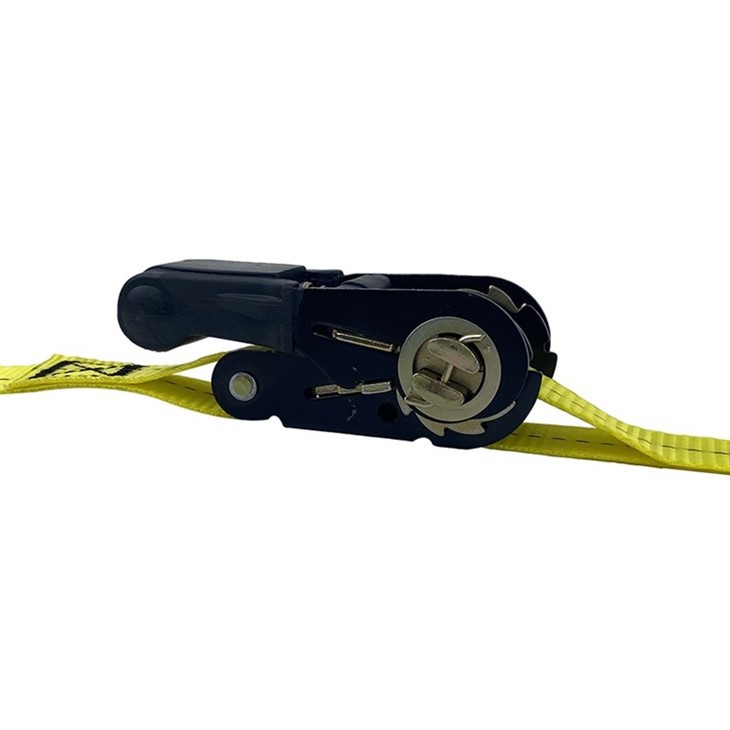
As mentioned earlier, regular inspections are crucial. Before each use, visually inspect the strap for any signs of damage. Check the stitching, the ratchet mechanism (if applicable), and the overall condition of the strap. Look for frayed edges, cuts, or discoloration, which could indicate internal damage. If you find any issues, replace the strap immediately.
Correct Usage
Using the straps correctly is also important. Make sure to secure the load evenly and avoid sharp edges that can cut into the strap. When tightening the strap, use the ratchet or other tensioning device properly to avoid over - stressing the strap. Follow the manufacturer's instructions for installation and use.

Estimating the Lifespan
It's difficult to give an exact lifespan for load tie down straps because it depends on so many factors. However, with proper care and under normal use conditions, a high - quality load tie down strap can last anywhere from 3 to 5 years. In more demanding commercial applications, the lifespan may be closer to 1 to 3 years.

Why Choose Our Load Tie Down Straps
As a supplier, we are committed to providing high - quality load tie down straps. Our products are made from the best materials and undergo rigorous testing to ensure they meet the highest standards of safety and durability. We offer a wide range of straps, including Trailer Ratchet Tie Downs, 1000 Lb Ratchet Straps, and Retractable Tie Down Strap, to meet the diverse needs of our customers.
If you're in the market for reliable load tie down straps, we invite you to explore our product range. Whether you're a professional transporter or an individual looking for a secure way to transport your goods, we have the right solution for you. Contact us to discuss your specific requirements and start a procurement conversation. We're here to help you find the best load tie down straps for your needs.
References
- American Society of Testing and Materials (ASTM) standards for load tie down straps.
- Industry best practices for the use and maintenance of load tie down equipment.


