When it comes to securing loads during transportation, straps and tie - downs play a crucial role. As a supplier of Straps and Tie - Downs, I often get asked about the maximum weight capacity of typical straps and tie - downs. Understanding these capacities is essential for ensuring the safety of your cargo and compliance with transportation regulations.
Types of Straps and Tie - Downs
There are several types of straps and tie - downs available in the market, each designed for specific applications and with different weight - bearing capabilities.
Ratchet Straps
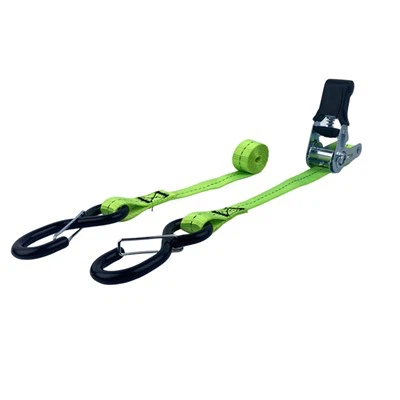
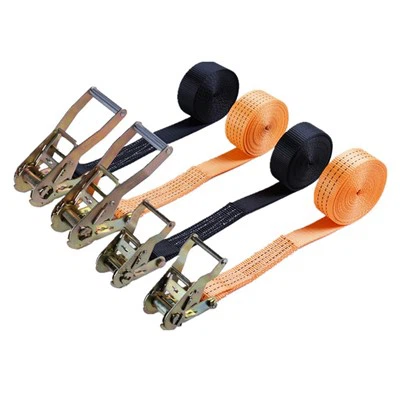
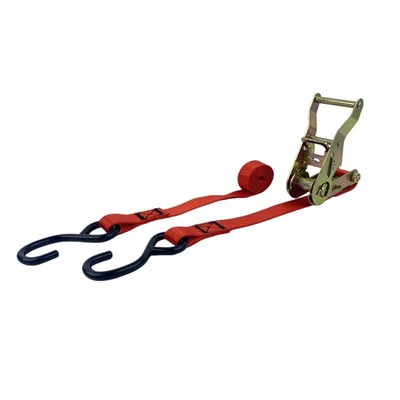
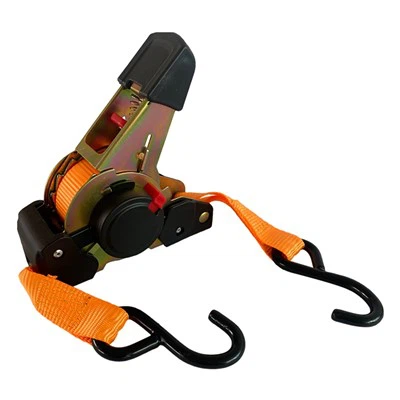
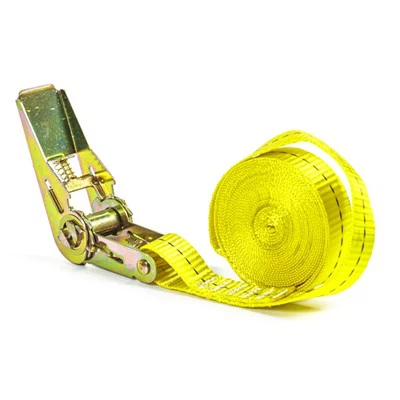
Ratchet straps are one of the most commonly used tie - downs. They are known for their ease of use and ability to provide a tight, secure hold on cargo. The ratchet mechanism allows you to adjust the tension of the strap with precision.
High Quality Ratchet Straps come in various widths and lengths, which directly affect their weight capacity. Generally, the wider the strap, the higher its weight - bearing capacity. For example, a 1 - inch wide ratchet strap may have a maximum working load limit (WLL) of around 500 to 1,000 pounds, while a 2 - inch wide ratchet strap can handle loads up to 3,335 pounds or more. A 4 - inch wide ratchet strap, often used for heavy - duty applications, can have a WLL of 5,000 pounds or even higher.
The material of the ratchet strap also impacts its capacity. Polyester is a popular choice as it is strong, resistant to abrasion, and has good UV resistance. Nylon is another option, which is highly elastic and can absorb shock well, but it may stretch more than polyester under load.
Cam Buckle Straps
Cam buckle straps are simpler in design compared to ratchet straps. They use a cam mechanism to tighten the strap. These straps are typically used for lighter loads. A standard 1 - inch wide cam buckle strap may have a WLL of around 100 to 300 pounds. They are often used for securing items such as bicycles, small furniture, or lightweight boxes.
Load Binder Straps
Load Binder Straps are heavy - duty tie - downs used mainly in the transportation of large and heavy loads, such as steel coils, construction materials, and industrial equipment. These straps are made of high - strength steel and are designed to withstand extreme forces.
Load binder straps come in different sizes and configurations, and their weight capacities can vary significantly. A common load binder strap may have a WLL ranging from 5,000 to 10,000 pounds or more, depending on its design and construction. Some heavy - duty load binder straps can handle loads up to 20,000 pounds or higher, making them suitable for the most demanding applications.
Factors Affecting Weight Capacity
Several factors can affect the maximum weight capacity of straps and tie - downs.
Material Quality
As mentioned earlier, the quality of the material used in the strap is a significant factor. High - quality materials are more likely to have a higher strength and durability, which translates to a higher weight capacity. For example, a strap made from high - grade polyester will generally have a better WLL than a strap made from a lower - quality polyester blend.
Strap Width and Thickness
Wider and thicker straps can distribute the load more evenly, resulting in a higher weight capacity. A wider strap has more surface area in contact with the cargo, reducing the stress on any single point. Similarly, a thicker strap is generally stronger and can withstand more force.
End Fittings
The end fittings of the strap, such as hooks, D - rings, or flat hooks, also play a role in determining the weight capacity. These fittings need to be strong enough to hold the load without failing. For example, a heavy - duty hook made from forged steel will have a higher load - bearing capacity than a lightweight, stamped - steel hook.
Environmental Conditions
Environmental factors can also impact the performance and weight capacity of straps and tie - downs. Exposure to extreme temperatures, moisture, chemicals, or UV radiation can weaken the material over time. For instance, a strap that is constantly exposed to sunlight may experience degradation of its fibers, reducing its strength and weight capacity.
Importance of Adhering to Weight Capacities
Adhering to the maximum weight capacity of straps and tie - downs is not only a matter of safety but also a legal requirement in many regions. Overloading a strap can lead to strap failure, which can cause the cargo to shift or fall during transportation. This can result in serious accidents, damage to the cargo, and potential harm to people and property.
In addition, transportation regulations often specify the minimum working load limits for different types of cargo and tie - downs. Failure to comply with these regulations can result in fines and legal consequences.
How to Choose the Right Strap for Your Load
When selecting a strap or tie - down for your load, you need to consider the following steps:
-
Determine the weight of the load: Accurately measure the weight of the cargo you need to secure. This will give you a baseline for selecting a strap with an appropriate weight capacity.
-
Consider the type of cargo: Different types of cargo may require different types of straps. For example, a smooth - surfaced cargo may need a strap with a non - slip surface to prevent it from sliding.
-
Evaluate the transportation conditions: Think about the distance of the journey, the type of vehicle used, and the environmental conditions. If you are transporting the cargo over a long distance or in harsh conditions, you may need a more durable and high - capacity strap.
-
Check the working load limit: Always ensure that the WLL of the strap you choose is equal to or greater than the weight of the load. It is also a good practice to choose a strap with a slightly higher WLL than the actual load to provide a safety margin.
Our Offerings as a Supplier
As a supplier of High Quality Ratchet Strap and other tie - downs, we offer a wide range of products to meet your specific needs. Our straps are made from high - quality materials and are rigorously tested to ensure they meet or exceed industry standards.


We have ratchet straps in various widths and lengths, with weight capacities ranging from light - duty to heavy - duty applications. Our load binder straps are designed to handle the most demanding loads, providing you with reliable and secure cargo - securing solutions.
If you are in the market for straps and tie - downs, we encourage you to contact us to discuss your requirements. Our team of experts can help you select the right products based on your load, transportation conditions, and budget. We are committed to providing you with the highest quality products and excellent customer service.
In conclusion, understanding the maximum weight capacity of typical straps and tie - downs is essential for safe and efficient cargo transportation. By choosing the right strap for your load and adhering to the weight capacities, you can ensure the safety of your cargo and comply with regulations. If you have any questions or need further information about our products, please do not hesitate to reach out to us. We look forward to working with you to meet your cargo - securing needs.
References
- "Tie - Down Straps: A Guide to Choosing the Right One", Transport Safety Council.
- "Load Securement Regulations", Department of Transportation.
- "Materials and Design of Straps and Tie - Downs", International Journal of Cargo Transportation.