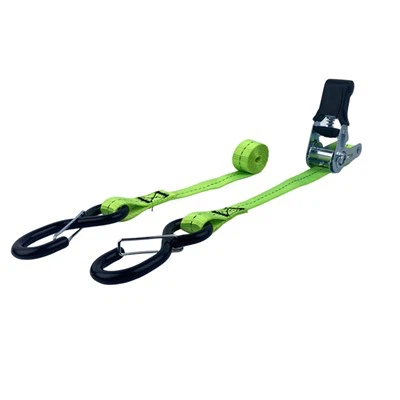
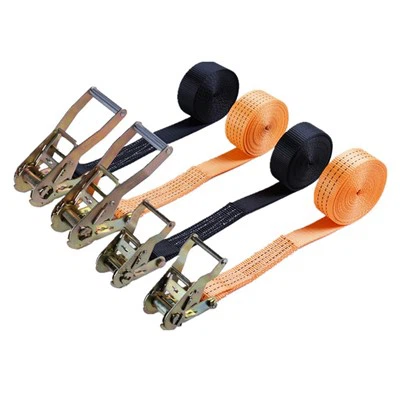
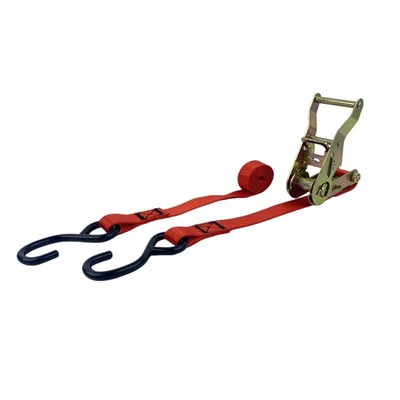
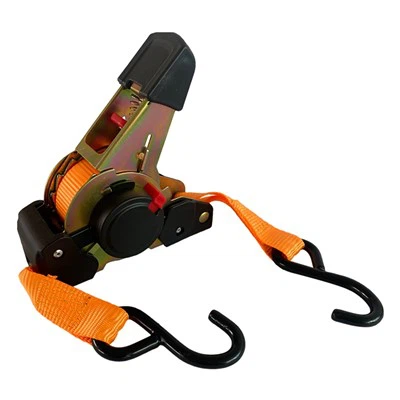
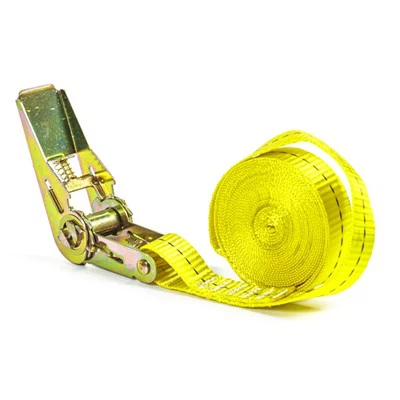
Rope tie down straps are essential tools in various industries, from transportation and logistics to outdoor activities and construction. As a supplier of high-quality Rope Tie Down Straps, I've had the privilege of exploring the diverse materials used in their construction. In this blog, I'll delve into the common materials that make up these versatile straps, their characteristics, and how they impact the performance of the product.
Polyester
Polyester is one of the most popular materials for rope tie down straps, and for good reason. It offers a combination of strength, durability, and resistance to environmental factors.
Strength and Durability: Polyester has a high tensile strength, which means it can withstand significant amounts of force without breaking. This makes it ideal for securing heavy loads during transportation. Whether you're tying down a piece of machinery on a flatbed truck or securing a boat on a trailer, polyester straps can handle the job. Additionally, polyester is resistant to abrasion, so it won't easily fray or wear out when rubbing against rough surfaces.
Weather Resistance: Polyester is also resistant to UV rays, moisture, and mildew. This makes it suitable for outdoor use, even in harsh weather conditions. It won't weaken or degrade over time due to exposure to sunlight or rain, ensuring that your straps remain reliable for years to come.
Elasticity: Unlike some other materials, polyester has relatively low elasticity. This is an advantage when tying down loads because it helps to keep the strap tight and prevents the load from shifting. You can trust that your polyester rope tie down straps will maintain their tension and hold your load securely in place.
Our Rope Tie Down Straps made from polyester are designed to meet the highest standards of quality and performance. They are available in various lengths and widths to suit different applications.
Nylon
Nylon is another common material used in rope tie down straps, especially in applications where some elasticity is desired.
Elasticity: Nylon has a higher elasticity compared to polyester. This means it can stretch under load and then return to its original shape. In some cases, this elasticity can be beneficial, such as when tying down loads that may shift slightly during transit. The nylon strap can absorb the shock and prevent sudden jolts that could damage the load or the vehicle.
Strength: Nylon is also a strong material, capable of withstanding significant loads. However, it may not be as strong as polyester in terms of pure tensile strength. It's important to choose the right nylon strap for your specific application based on the weight and nature of the load.
Moisture Absorption: One drawback of nylon is that it absorbs moisture more readily than polyester. When wet, nylon can lose some of its strength and become more prone to mildew. However, proper care and maintenance can help mitigate these issues.
If you're looking for a strap with some give and flexibility, our nylon Rope Tie Down Straps are a great option. They are carefully crafted to provide a balance of strength and elasticity.
Polypropylene
Polypropylene is a lightweight and cost - effective material often used in rope tie down straps.
Lightweight: Polypropylene is extremely lightweight, which makes it easy to handle and transport. This can be an advantage if you need to carry your straps with you on the go or if you're working in an environment where weight is a concern.
Chemical Resistance: Polypropylene is resistant to many chemicals, making it suitable for use in industrial settings where exposure to chemicals is possible. It won't be damaged by common solvents, oils, or acids, ensuring its longevity in harsh chemical environments.
UV Resistance: While polypropylene is generally resistant to UV rays, it may not be as durable as polyester in long - term outdoor exposure. Over time, it may start to degrade and lose its strength if exposed to direct sunlight for extended periods. However, there are UV - stabilized polypropylene straps available that offer better resistance.
Our Cargo Equipment Straps made from polypropylene are a budget - friendly option without sacrificing too much on quality. They are perfect for light - duty applications and short - term use.
Steel
In some cases, steel is used in the construction of rope tie down straps, particularly in the hardware components such as hooks and buckles.
Strength: Steel is incredibly strong and can withstand extremely high loads. It's used for heavy - duty applications where the strap needs to be able to hold large and heavy objects securely. For example, in the shipping industry, steel - reinforced straps are used to secure massive containers on cargo ships.


Durability: Steel is highly durable and resistant to corrosion when properly treated. It can withstand the rigors of outdoor use and harsh environments without losing its integrity.
Rigidity: Steel components provide a high level of rigidity, which is important for maintaining the shape and functionality of the strap. They ensure that the strap can be tightened effectively and that the load remains secure.
Our Ratchet Strap Tensioner often features steel components for maximum strength and reliability. The steel parts are designed to work seamlessly with the strap material to provide a secure and efficient tying - down solution.
Choosing the Right Material
When selecting rope tie down straps, it's crucial to consider the specific requirements of your application. Here are some factors to keep in mind:
Load Weight: For heavy loads, materials like polyester or steel - reinforced straps are recommended. They have the strength to handle the weight without breaking.
Environmental Conditions: If you'll be using the straps outdoors, consider materials with good weather resistance, such as polyester or UV - stabilized polypropylene. In chemical - rich environments, polypropylene or steel may be more suitable.
Elasticity Needs: If your load may shift slightly during transit, a nylon strap with some elasticity could be beneficial. However, if you need a strap that stays tight and doesn't stretch, polyester is a better choice.
Budget: Polypropylene straps are generally the most cost - effective option, while polyester and nylon offer a good balance of performance and price. Steel - reinforced straps are typically more expensive but are necessary for heavy - duty applications.
As a supplier of Rope Tie Down Straps, we understand the importance of choosing the right material for your needs. We offer a wide range of straps made from different materials to ensure that you can find the perfect solution for your application. Whether you're a professional in the transportation industry or an outdoor enthusiast, we have the straps to meet your requirements.
If you're interested in learning more about our products or have specific questions about which material is best for your situation, we encourage you to reach out. Our team of experts is ready to assist you in making the right choice. We're committed to providing high - quality products and excellent customer service. Contact us today to start a conversation about your rope tie down strap needs and explore the possibilities of working together.
References
- ASTM International. (2023). Standards for Strapping Materials.
- Machinery's Handbook. (2022). Properties of Materials Used in Industrial Straps.