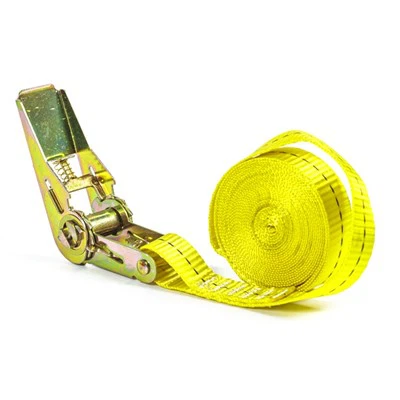
In the world of cargo securing, ratchet strap tensioners play a pivotal role. As a trusted supplier of ratchet strap tensioners, I've witnessed firsthand the diverse needs of customers and the wide range of tensioners available to meet those needs. In this blog, I'll explore the different types of ratchet strap tensioners that we offer, highlighting their features, benefits, and ideal applications.
Standard Ratchet Strap Tensioners
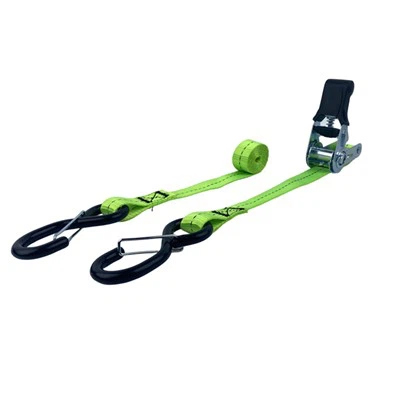
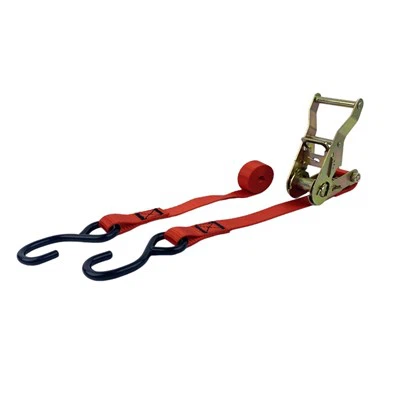
Standard ratchet strap tensioners are the most common type and are widely used in various industries. These tensioners are designed to provide a reliable and secure way to tighten and hold down cargo. They typically consist of a ratchet mechanism, a strap, and end fittings.
The ratchet mechanism is the heart of the tensioner, allowing you to easily tighten the strap by turning the handle. As you turn the handle, the ratchet engages with the teeth on the spool, preventing the strap from loosening. Once the desired tension is achieved, you can lock the ratchet in place to maintain the tension.
Standard ratchet strap tensioners come in a variety of sizes and weight capacities to suit different applications. For light-duty applications, such as securing small items or equipment, you can choose a tensioner with a lower weight capacity. For heavy-duty applications, such as securing large machinery or vehicles, you'll need a tensioner with a higher weight capacity.

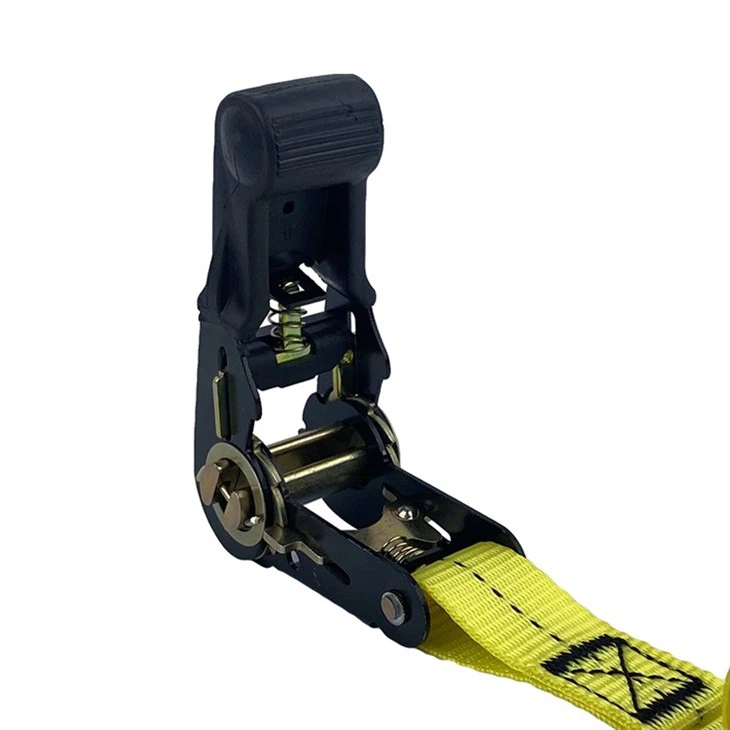
One of the key benefits of standard ratchet strap tensioners is their versatility. They can be used in a wide range of industries, including transportation, construction, agriculture, and warehousing. Whether you're securing a load on a trailer, tying down equipment on a flatbed truck, or fastening a tarp over a pile of debris, a standard ratchet strap tensioner is a reliable choice.
Heavy-Duty Ratchet Strap Tensioners
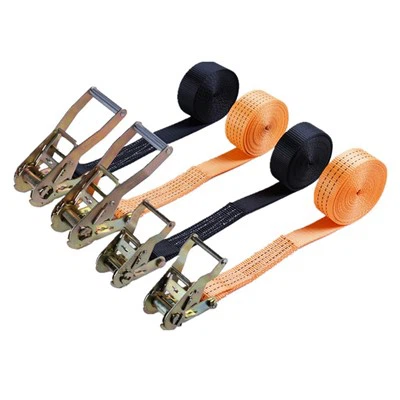
Heavy-duty ratchet strap tensioners are designed for the most demanding applications. These tensioners are built to withstand high levels of stress and tension, making them ideal for securing heavy loads over long distances.
Heavy-duty ratchet strap tensioners typically feature a larger and more robust ratchet mechanism, as well as a thicker and stronger strap. The end fittings are also designed to be more durable and resistant to wear and tear. Some heavy-duty tensioners may also have additional features, such as a locking pawl or a quick-release mechanism, to enhance safety and convenience.
When choosing a heavy-duty ratchet strap tensioner, it's important to consider the weight capacity and the type of load you'll be securing. Make sure to select a tensioner with a weight capacity that exceeds the weight of your load to ensure a safe and secure tie-down.
Heavy-duty ratchet strap tensioners are commonly used in industries such as transportation, mining, and oil and gas. They are essential for securing large and heavy loads, such as construction equipment, industrial machinery, and oversized vehicles.
Self-Locking Ratchet Strap Tensioners
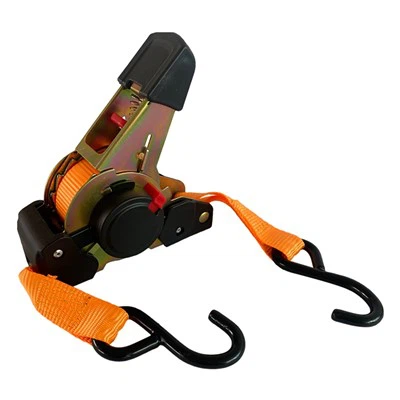
Self-locking ratchet strap tensioners are a convenient and time-saving option for securing cargo. These tensioners feature a built-in locking mechanism that automatically engages when the strap is tightened, eliminating the need to manually lock the ratchet.
The self-locking feature makes self-locking ratchet strap tensioners easy to use, especially in situations where you need to quickly secure a load. Simply tighten the strap to the desired tension, and the locking mechanism will hold the tension in place. To release the tension, you can simply disengage the locking mechanism and loosen the strap.
Self-locking ratchet strap tensioners are available in both standard and heavy-duty versions, making them suitable for a wide range of applications. They are commonly used in industries such as logistics, moving, and automotive.
Cam Buckle Ratchet Strap Tensioners
Cam buckle ratchet strap tensioners are a simple and cost-effective option for securing light to medium-weight loads. These tensioners use a cam buckle mechanism to tighten and hold the strap in place.
The cam buckle consists of a metal cam that is attached to one end of the strap. When the cam is rotated, it presses against the strap, creating friction and holding the strap in place. To loosen the strap, you simply rotate the cam in the opposite direction.
Cam buckle ratchet strap tensioners are easy to use and do not require any special tools or training. They are commonly used in applications such as securing bicycles, kayaks, and other recreational equipment. They are also popular for use in DIY projects and home applications.
Specialty Ratchet Strap Tensioners
In addition to the standard types of ratchet strap tensioners, there are also specialty tensioners available for specific applications. These tensioners are designed to meet the unique needs of certain industries or tasks.
One example of a specialty ratchet strap tensioner is the Trailer Ratchet Tie Downs. These tensioners are specifically designed for use on trailers and are available in a variety of lengths and weight capacities. They typically feature a durable construction and a secure locking mechanism to ensure that your load stays in place during transit.
Another example of a specialty ratchet strap tensioner is the Professional Ratchet Straps. These tensioners are designed for professional use and are built to withstand the rigors of heavy-duty applications. They often feature high-quality materials, advanced locking mechanisms, and additional safety features.
For extremely heavy loads, such as large industrial equipment or shipping containers, you may need a 5000kg Ratchet Straps. These tensioners are designed to handle loads up to 5000 kilograms and are typically much larger and more robust than standard tensioners.
Choosing the Right Ratchet Strap Tensioner
When choosing a ratchet strap tensioner, there are several factors to consider. The first factor is the weight capacity of the tensioner. Make sure to select a tensioner with a weight capacity that exceeds the weight of your load to ensure a safe and secure tie-down.
The second factor is the type of load you'll be securing. Different types of loads require different types of tensioners. For example, if you're securing a load that is prone to shifting or moving, you may need a tensioner with a more secure locking mechanism. If you're securing a load that is heavy or bulky, you may need a heavy-duty tensioner.
The third factor is the length of the strap. Make sure to choose a strap that is long enough to reach around your load and provide a secure tie-down. You may also want to consider the width of the strap, as wider straps can provide more surface area and distribute the tension more evenly.
The fourth factor is the end fittings of the tensioner. The end fittings are the parts of the tensioner that attach to the load and the anchor point. Make sure to choose end fittings that are compatible with your load and the anchor point.
Finally, consider the quality and durability of the tensioner. Look for a tensioner that is made from high-quality materials and has a reputation for reliability. A well-made tensioner will last longer and provide better performance than a cheaply made one.
Conclusion
As a supplier of ratchet strap tensioners, I understand the importance of choosing the right tensioner for your application. With so many types of ratchet strap tensioners available, it can be overwhelming to make a decision. However, by considering the factors mentioned above, you can choose a tensioner that meets your needs and provides a safe and secure way to tie down your cargo.
If you have any questions or need help choosing the right ratchet strap tensioner, please don't hesitate to contact us. Our team of experts is always available to provide you with advice and guidance. We look forward to working with you to find the perfect solution for your cargo securing needs.
References
- "Ratchet Straps: A Guide to Choosing the Right One." Load Securing Solutions.
- "Types of Ratchet Strap Tensioners." Cargo Control Blog.
- "How to Choose the Right Ratchet Strap." Tie Down Engineering.