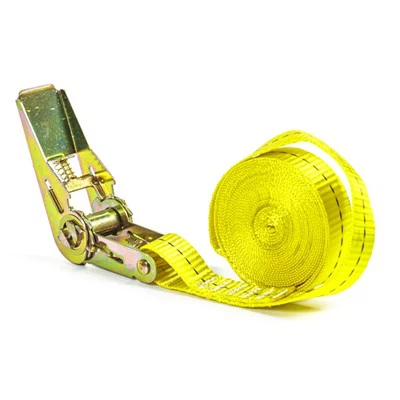
Are 5000kg Ratchet Straps Suitable for Use in Construction Sites?
As a supplier of 5000kg ratchet straps, I've been asked numerous times whether these heavy - duty straps are suitable for construction sites. In this blog, I'll delve into the characteristics of 5000kg ratchet straps and evaluate their applicability in construction settings.
Understanding 5000kg Ratchet Straps
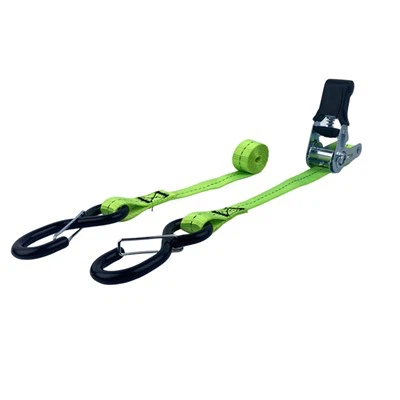
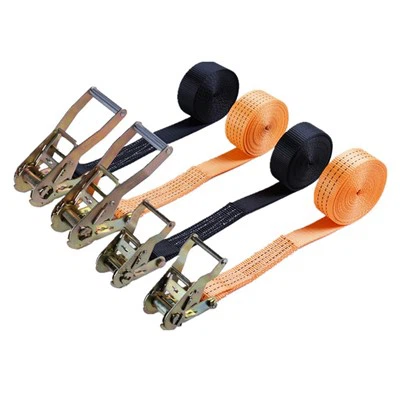
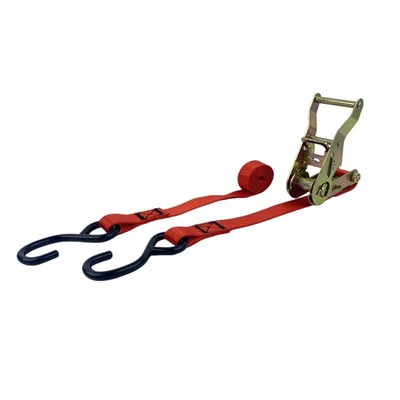
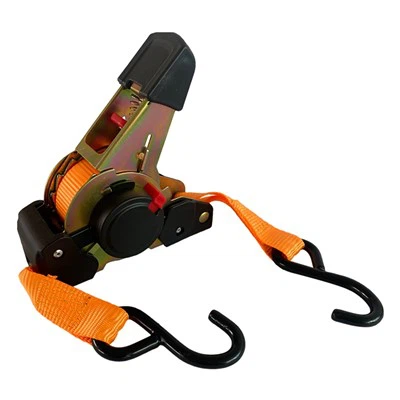
First, let's understand what 5000kg ratchet straps are. These straps are designed to handle a maximum load capacity of 5000 kilograms. They are typically made of high - strength materials such as polyester webbing, which offers excellent tensile strength and abrasion resistance. The ratchet mechanism allows for easy tightening and adjustment of the strap, ensuring a secure hold on the load.
The construction of these straps is robust. The webbing is usually stitched with reinforced seams to prevent tearing under heavy loads. The ratchet itself is made of durable metal, often steel or aluminum, which can withstand the rigors of repeated use.
Advantages of Using 5000kg Ratchet Straps in Construction Sites
Heavy - Load Handling
Construction sites involve moving and securing large and heavy materials such as steel beams, concrete blocks, and heavy machinery. With a 5000kg load capacity, these ratchet straps are well - equipped to handle such heavy loads. For example, when transporting steel beams from a storage area to the construction site, a 5000kg ratchet strap can firmly secure the beams to the flatbed truck, preventing them from shifting during transit.
Versatility
These straps can be used in a variety of applications on construction sites. They can be used to secure equipment on scaffolding, tie down construction debris for disposal, or even as a temporary support in some cases. Their versatility makes them a valuable tool for construction workers. For instance, if a piece of equipment needs to be temporarily fixed in place on a high - rise construction platform, a 5000kg ratchet strap can be used to create a stable anchor.
Safety
Safety is of utmost importance on construction sites. 5000kg ratchet straps are designed with safety in mind. The ratchet mechanism provides a reliable way to tighten the strap, ensuring that the load is held securely. Additionally, the high - strength webbing reduces the risk of breakage, which could lead to serious accidents. When used correctly, these straps can help prevent load shifting, which is a common cause of accidents during transportation and on - site operations.
Considerations When Using 5000kg Ratchet Straps in Construction Sites
Environmental Conditions
Construction sites are often exposed to harsh environmental conditions such as extreme temperatures, moisture, and sunlight. These conditions can affect the performance of the ratchet straps. For example, prolonged exposure to sunlight can cause the polyester webbing to degrade over time, reducing its strength. Moisture can also lead to rusting of the ratchet mechanism. Therefore, it's important to choose ratchet straps that are designed to withstand these environmental factors.
Compatibility with Equipment
The ratchet straps need to be compatible with the equipment they are used with. For example, the hooks on the straps should fit securely onto the attachment points of the load or the transportation vehicle. If the hooks are too small or too large, it can lead to an insecure connection, increasing the risk of accidents.
Operator Training
Proper use of 5000kg ratchet straps requires operator training. Construction workers need to know how to correctly tighten and loosen the ratchet mechanism, how to select the appropriate attachment points, and how to inspect the straps for damage. Without proper training, the straps may not be used effectively, which can compromise safety.
Comparison with Other Straps
When considering using 5000kg ratchet straps in construction sites, it's also important to compare them with other types of straps.
Lighter - Duty Straps
Lighter - duty straps may not be suitable for the heavy loads typically found on construction sites. For example, a 500kg strap would not be able to safely secure a large steel beam. While lighter - duty straps may be more flexible and easier to handle in some cases, they lack the strength required for heavy - duty construction applications.
Non - Ratchet Straps
Non - ratchet straps, such as tie - down ropes, do not offer the same level of adjustability and security as ratchet straps. Ratchet straps can be tightened to a specific tension, ensuring a more secure hold on the load. Non - ratchet straps may loosen over time, especially during transportation or when the load is subject to vibrations.
Our Product Offerings
As a supplier of 5000kg ratchet straps, we offer a range of products that are specifically designed for construction sites. Our straps are made of high - quality materials that can withstand harsh environmental conditions. We also provide comprehensive operator training materials to ensure that our customers can use the straps safely and effectively.
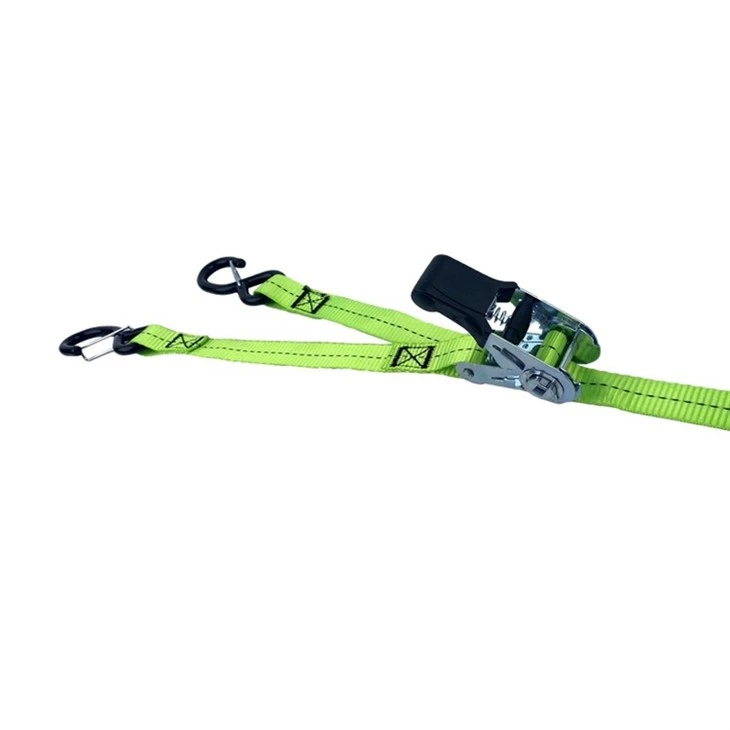

In addition to our 5000kg ratchet straps, we also offer related products such as Motorcycle Cargo Straps, Professional Ratchet Straps, and Automotive Tie Down Straps. These products can be used in various applications, providing our customers with a one - stop solution for their cargo - securing needs.
Conclusion
In conclusion, 5000kg ratchet straps are generally suitable for use in construction sites due to their heavy - load handling capacity, versatility, and safety features. However, it's important to consider environmental conditions, compatibility with equipment, and operator training when using these straps.
If you are in the construction industry and are looking for reliable 5000kg ratchet straps or other cargo - securing products, we would be more than happy to assist you. Contact us to discuss your specific requirements and start a procurement negotiation. We are committed to providing high - quality products and excellent customer service to meet your construction needs.
References
- "Cargo Securement Handbook" by the Federal Motor Carrier Safety Administration
- "Construction Safety Manual" by the Occupational Safety and Health Administration