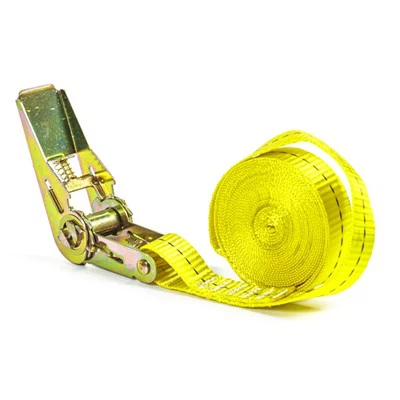
Hey there! As a supplier of automotive tie down straps, I often get asked if these straps come in different webbing materials. The short answer is yes, and in this blog, I'll break down the various webbing materials available, their pros and cons, and which situations they're best suited for.


Polyester Webbing
One of the most common webbing materials for automotive tie down straps is polyester. Polyester webbing is known for its high strength and durability. It can withstand a lot of tension without stretching too much, which is crucial when you're securing heavy loads. This material is also resistant to rot and mildew, making it a great choice for outdoor use.
Another advantage of polyester webbing is its abrasion resistance. When you're tying down your vehicle or other heavy equipment, the straps are likely to rub against rough surfaces. Polyester can handle this wear and tear better than some other materials, which means your straps will last longer.
However, polyester webbing does have a few drawbacks. It can be more expensive than some other webbing materials, which might be a consideration if you're on a tight budget. Also, while it's resistant to most chemicals, it can be damaged by certain solvents.
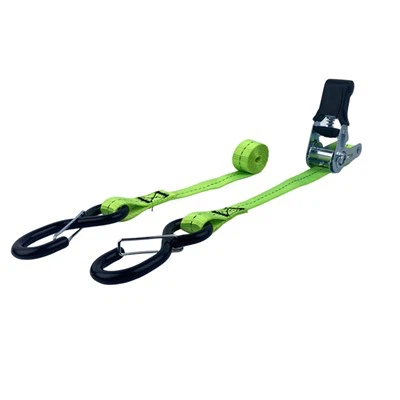
If you're looking for high-quality polyester tie down straps, check out our 1000 Lb Ratchet Straps. These straps are made from top-grade polyester webbing and are perfect for securing heavy loads.
Nylon Webbing
Nylon is another popular choice for automotive tie down straps. Nylon webbing is known for its elasticity, which can be an advantage in some situations. When you're securing a load, the elasticity of nylon can help absorb shock and vibrations, reducing the risk of damage to your cargo.
Nylon is also very strong and has a high resistance to abrasion. It's a versatile material that can be used in a variety of applications, from securing small items to tying down large vehicles.
One of the main disadvantages of nylon webbing is its susceptibility to moisture. When nylon gets wet, it can lose some of its strength and become more prone to stretching. This means that if you're using nylon straps in wet conditions, you need to be extra careful to ensure they're properly tightened.
If you're interested in nylon tie down straps, take a look at our Load Binder Straps. These straps are made from high-quality nylon webbing and are designed to provide reliable performance in a variety of conditions.
Polypropylene Webbing
Polypropylene is a lightweight and inexpensive webbing material that's often used for automotive tie down straps. Polypropylene webbing is resistant to moisture, which makes it a good choice for outdoor use. It's also easy to clean and maintain, which is a plus if you're using your straps regularly.
However, polypropylene webbing is not as strong as polyester or nylon. It has a lower breaking strength and is more prone to stretching under heavy loads. This means that it's best suited for lighter applications, such as securing small items or for temporary use.
If you're looking for a budget-friendly option, our polypropylene tie down straps might be the right choice for you. While they may not be as strong as some of our other straps, they're still a reliable option for lighter loads.
Choosing the Right Webbing Material
So, how do you choose the right webbing material for your automotive tie down straps? It really depends on your specific needs and the type of loads you'll be securing.
If you're dealing with heavy loads and need a strap that can withstand a lot of tension, polyester is probably your best bet. Its high strength and durability make it ideal for securing large vehicles, heavy equipment, and other bulky items.
If you're looking for a strap that can absorb shock and vibrations, nylon might be a better choice. Its elasticity can help protect your cargo from damage during transport.
For lighter loads and outdoor use, polypropylene can be a cost-effective option. It's resistant to moisture and easy to clean, making it a practical choice for everyday use.
Other Considerations
In addition to the webbing material, there are a few other factors you should consider when choosing automotive tie down straps. These include the length and width of the straps, the type of buckle or ratchet mechanism, and the weight capacity.
The length and width of the straps will depend on the size and shape of the load you're securing. You'll need to choose straps that are long enough to reach around your cargo and wide enough to distribute the weight evenly.
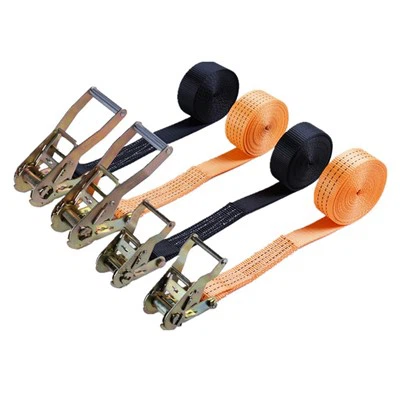
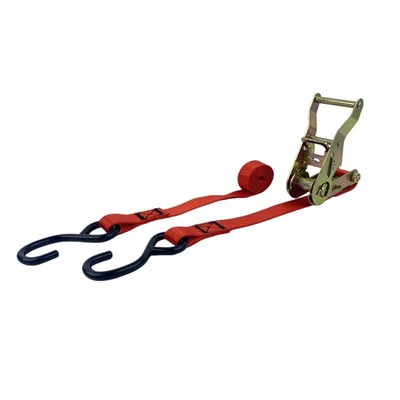
The type of buckle or ratchet mechanism is also important. A good ratchet mechanism will allow you to easily tighten and loosen the straps, while a sturdy buckle will ensure that the straps stay in place.
Finally, make sure you choose straps with a weight capacity that's appropriate for your load. Overloading the straps can be dangerous and can lead to damage or failure.
Our Products
As a supplier of automotive tie down straps, we offer a wide range of products to meet your needs. Whether you're looking for high-strength polyester straps, elastic nylon straps, or budget-friendly polypropylene straps, we've got you covered.
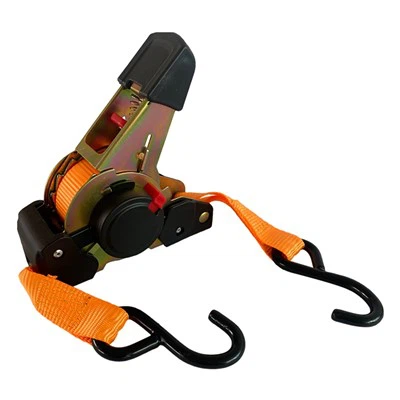
In addition to our standard straps, we also offer Ratchet Strap Tensioner, which can help you easily tighten your straps to the right tension. Our tensioners are made from high-quality materials and are designed to provide reliable performance.
Contact Us
If you have any questions about our automotive tie down straps or need help choosing the right webbing material for your needs, don't hesitate to contact us. We're here to help you find the best solution for your cargo securing needs.
Whether you're a professional transporter or a DIY enthusiast, we have the products and expertise to help you get the job done right. So, why wait? Contact us today and let's start discussing your tie down strap requirements.
References
- "The Ultimate Guide to Tie Down Straps." Tie Down Pros.
- "Webbing Materials for Tie Down Straps." Cargo Control.