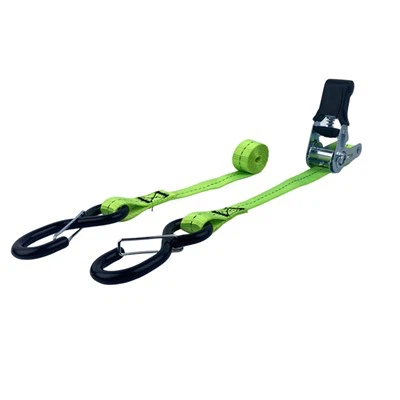
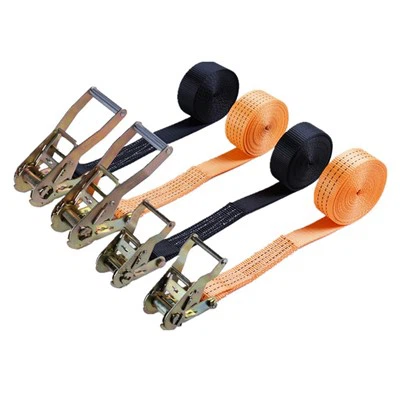
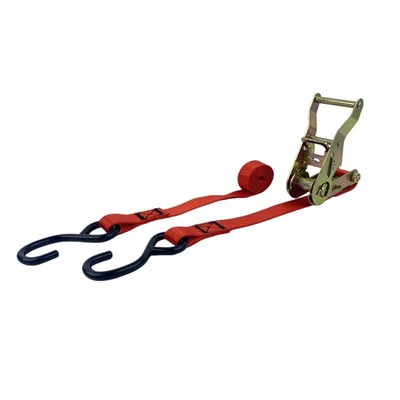
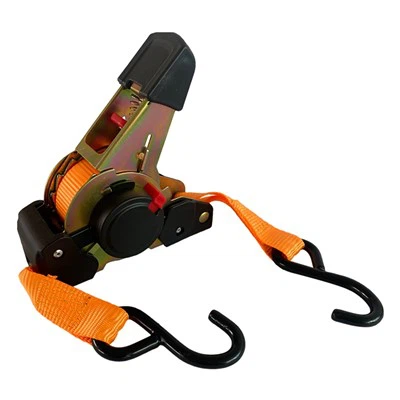
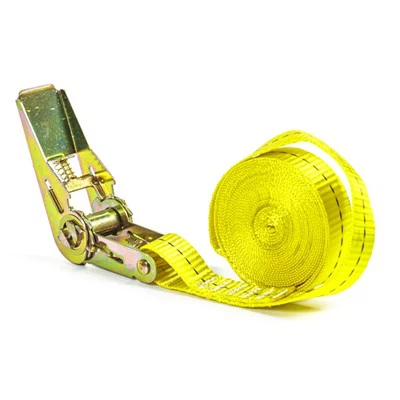
Hey there! As a supplier of Ratchet Rope Straps, I often get asked about how to install a new ratchet on these straps. It's not as complicated as it might seem at first glance, and in this blog, I'll walk you through the whole process step by step.
First things first, let's talk about why you might need to install a new ratchet. Maybe the old one is worn out after years of use, or perhaps it got damaged during a particularly tough job. Whatever the reason, replacing the ratchet can breathe new life into your Ratchet Rope Strap and ensure it continues to work effectively.
What You'll Need
Before you start the installation process, you'll need to gather a few tools and materials. Here's a quick list:
- A new ratchet that's compatible with your Ratchet Rope Strap. Make sure to check the specifications to ensure a proper fit.
- A pair of pliers. This will come in handy for removing and attaching parts.
- A screwdriver. Depending on the type of ratchet, you might need a Phillips or flathead screwdriver.
- The Ratchet Rope Strap itself.
Step 1: Remove the Old Ratchet
The first step is to get rid of the old ratchet. Start by laying the Ratchet Rope Strap flat on a stable surface. Locate the bolts or screws that are holding the ratchet in place. Use your screwdriver to remove these fasteners. If they're a bit stubborn, you can use the pliers to give them an extra twist.
Once the bolts or screws are out, carefully lift the old ratchet off the strap. You might notice some small parts, like washers or pins, that need to be removed as well. Keep these parts in a safe place, as you might need them later.
Step 2: Prepare the New Ratchet
Take a good look at your new ratchet. Make sure all the parts are in good condition and that there are no loose or missing pieces. If your ratchet comes with any instructions, take a moment to read through them.
Some ratchets might need to be assembled before installation. This could involve attaching the handle or adjusting the tension mechanism. Follow the instructions carefully to ensure everything is put together correctly.


Step 3: Attach the New Ratchet
Now it's time to attach the new ratchet to the Ratchet Rope Strap. Line up the holes in the ratchet with the holes in the strap. This might take a bit of wiggling and adjusting, but it's important to get them aligned properly.
Once the holes are lined up, insert the bolts or screws that you removed earlier. Use your screwdriver to tighten them, but be careful not to overtighten. You want the ratchet to be securely attached, but you don't want to damage the strap or the ratchet.
Step 4: Test the Ratchet
After the new ratchet is attached, it's time to test it out. Pull the strap through the ratchet to see if it moves smoothly. Engage the ratchet mechanism by moving the handle up and down. You should feel the strap tightening as you do this.
If the ratchet doesn't seem to be working properly, double-check that all the parts are installed correctly. You might need to make some adjustments or tighten the bolts a bit more.
Step 5: Secure the Strap
Once you're satisfied that the ratchet is working correctly, it's time to secure the strap. This is where the type of hooks you use comes in. We offer a variety of hooks, including Heavy Duty Tie Down Hooks, which are great for heavy loads.
Attach the hooks to the ends of the strap and connect them to the anchor points. Make sure the hooks are securely fastened and that there's no risk of them coming loose.
Different Applications
Ratchet Rope Straps are used in a wide range of applications. For example, if you're using them to secure a UTV on a trailer, you might want to check out our Utv Tie Downs For Trailer. These straps are designed to provide a secure hold for your UTV during transport.
If you're in the agricultural industry and need to secure tractors or other heavy equipment, our Tractor Tie Down Straps are a great option. They're built to withstand the weight and stress of large machinery.
Maintenance Tips
To keep your Ratchet Rope Straps and new ratchets in good condition, it's important to perform regular maintenance. After each use, inspect the straps for any signs of wear or damage. If you notice any fraying or cuts, it's time to replace the strap.
Clean the ratchet regularly to remove dirt and debris. You can use a mild soap and water solution to clean the ratchet, and then dry it thoroughly before storing it.
Conclusion
Installing a new ratchet on a Ratchet Rope Strap is a relatively simple process that can be done with a few basic tools. By following these steps, you can ensure that your strap continues to work effectively and safely.
If you're in the market for Ratchet Rope Straps, hooks, or other tie-down products, we're here to help. We offer a wide range of high-quality products at competitive prices. Whether you're a professional in the transportation industry or a DIY enthusiast, we have the right products for your needs.
If you have any questions or would like to discuss your specific requirements, feel free to reach out. We're always happy to help and can provide you with more information about our products and services. Let's start a conversation and find the perfect Ratchet Rope Straps for you!
References
- General knowledge about Ratchet Rope Straps and their installation.
- Product specifications and guidelines provided by manufacturers.