Are Marine Ratchet Straps Resistant to Chemicals?
As a supplier of Marine Ratchet Straps, I often get asked about the chemical resistance of these essential tools. Marine ratchet straps are designed to withstand the harsh conditions of the marine environment, but how well do they hold up against various chemicals? In this blog post, I'll explore the factors that affect the chemical resistance of marine ratchet straps and provide some insights to help you make informed decisions.
Understanding Marine Ratchet Straps
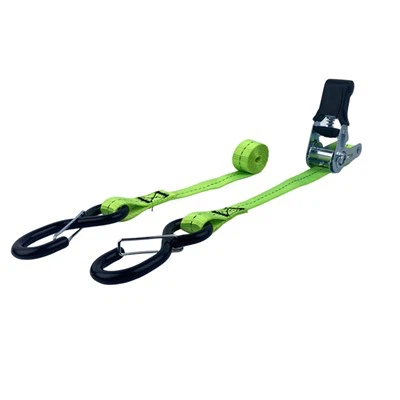
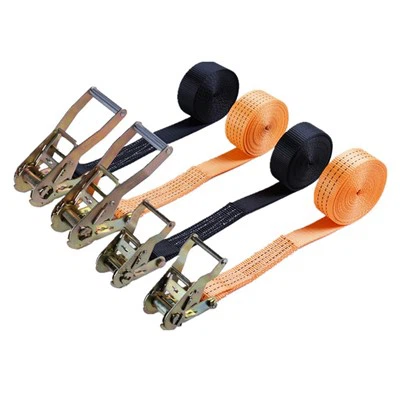
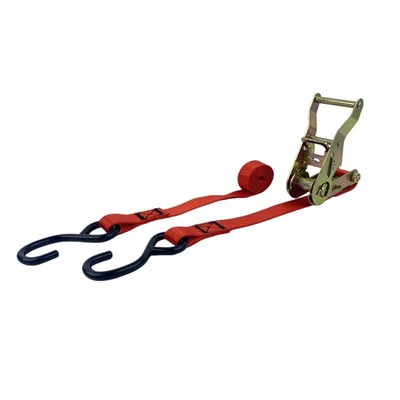
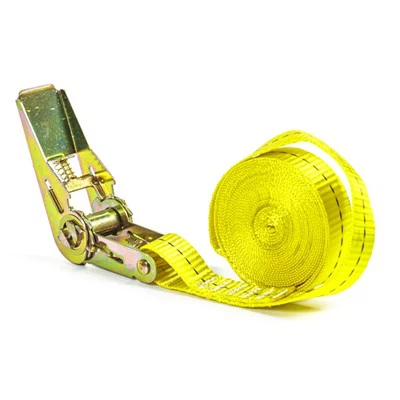
Before diving into the topic of chemical resistance, let's first understand what marine ratchet straps are and their typical applications. Marine ratchet straps are heavy-duty straps used to secure cargo on boats, ships, and other marine vessels. They are made from high-strength materials such as polyester webbing and feature a ratchet mechanism that allows for easy tightening and adjustment. These straps are commonly used to secure equipment, supplies, and even vehicles on board, ensuring that they stay in place during rough seas and transportation.
Factors Affecting Chemical Resistance
The chemical resistance of marine ratchet straps depends on several factors, including the material of the strap, the type of chemicals it may come into contact with, and the duration and intensity of exposure.
Material of the Strap
The most common material used for marine ratchet straps is polyester webbing. Polyester is known for its high strength, durability, and resistance to abrasion. It also has good resistance to many chemicals, including water, oil, and most solvents. However, the chemical resistance of polyester can vary depending on its formulation and treatment. Some polyester webbings may be treated with special coatings or additives to enhance their chemical resistance, while others may be more susceptible to damage from certain chemicals.
Type of Chemicals
Different chemicals have different effects on marine ratchet straps. Some chemicals, such as water and mild detergents, are generally not harmful to polyester webbing and may even help to clean and maintain the straps. However, other chemicals, such as strong acids, alkalis, and certain solvents, can cause damage to the webbing, weakening its strength and reducing its lifespan. For example, prolonged exposure to hydrochloric acid or sodium hydroxide can break down the polyester fibers, leading to a loss of strength and integrity.
Duration and Intensity of Exposure
The longer and more intense the exposure to chemicals, the greater the risk of damage to the marine ratchet straps. Short-term exposure to small amounts of chemicals may not cause significant damage, but repeated or prolonged exposure can gradually degrade the webbing and compromise its performance. For example, if a strap is accidentally splashed with a small amount of oil, it may be able to withstand the exposure without significant damage. However, if the strap is constantly immersed in oil or other chemicals, it is likely to experience more severe damage over time.
Testing and Certification
To ensure the quality and chemical resistance of marine ratchet straps, many manufacturers conduct rigorous testing and obtain relevant certifications. These tests typically involve exposing the straps to various chemicals under controlled conditions and measuring their performance before and after exposure. Certifications such as ISO 9001 and CE indicate that the straps have met certain quality and safety standards, including chemical resistance requirements.
When purchasing marine ratchet straps, it is important to choose products from reputable manufacturers that have a proven track record of quality and reliability. Look for straps that are tested and certified to meet the relevant standards and specifications. You can also ask the manufacturer for information about the chemical resistance of their straps and any specific recommendations for use and maintenance.
Protecting Marine Ratchet Straps from Chemical Damage
While marine ratchet straps are designed to be resistant to many chemicals, it is still important to take steps to protect them from damage. Here are some tips to help you keep your marine ratchet straps in good condition:
Avoid Contact with Harsh Chemicals
Whenever possible, avoid exposing your marine ratchet straps to harsh chemicals. If you need to clean the straps, use mild detergents and water instead of strong chemicals. If you accidentally spill a chemical on a strap, rinse it immediately with plenty of water to minimize the damage.
Store Straps Properly
When not in use, store your marine ratchet straps in a cool, dry place away from direct sunlight and chemicals. Avoid storing the straps in areas where they may come into contact with oil, grease, or other chemicals.
Inspect Straps Regularly
Regularly inspect your marine ratchet straps for signs of damage or wear. Look for any fraying, cuts, or discoloration of the webbing, as these may indicate that the strap has been exposed to chemicals or other hazards. If you notice any damage, replace the strap immediately to ensure the safety of your cargo.
Our Marine Ratchet Straps
At our company, we offer a wide range of Marine Ratchet Straps that are designed to meet the highest standards of quality and performance. Our straps are made from high-quality polyester webbing and are treated with special coatings to enhance their chemical resistance. They are also tested and certified to meet the relevant industry standards, ensuring that they are safe and reliable for use in the marine environment.
In addition to our standard marine ratchet straps, we also offer High Quality Ratchet Straps and Heavy Duty Ratchet Tie Down Straps for more demanding applications. Our heavy-duty straps are designed to withstand the toughest conditions and are ideal for securing large and heavy cargo.
Conclusion
In conclusion, marine ratchet straps can have good resistance to many chemicals, but their chemical resistance depends on several factors, including the material of the strap, the type of chemicals it may come into contact with, and the duration and intensity of exposure. By choosing high-quality straps from reputable manufacturers, avoiding contact with harsh chemicals, storing the straps properly, and inspecting them regularly, you can help to ensure the longevity and performance of your marine ratchet straps.


If you are in the market for marine ratchet straps or have any questions about their chemical resistance, please don't hesitate to contact us. We are here to help you find the right solution for your needs and provide you with the best possible service.
References
- ASTM International. (2023). Standard Specification for Synthetic Web Tie-Down Straps. ASTM D6268-18.
- Cordage Institute. (2023). Handbook of Cordage. 12th Edition.