When it comes to transporting bicycles, ensuring their safety and stability is of utmost importance. One common method used for securing items during transportation is the use of ratchet rope straps. As a supplier of ratchet rope straps, I often get asked whether these straps are suitable for securing bicycles. In this blog post, I will delve into the characteristics of ratchet rope straps and analyze their suitability for bicycle transportation.
Understanding Ratchet Rope Straps
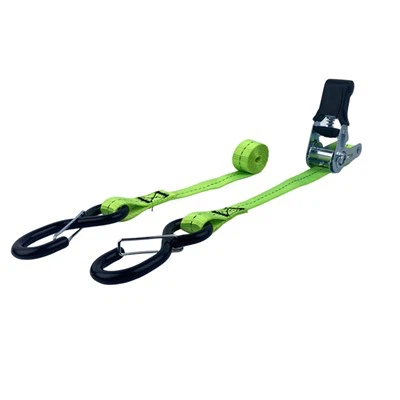
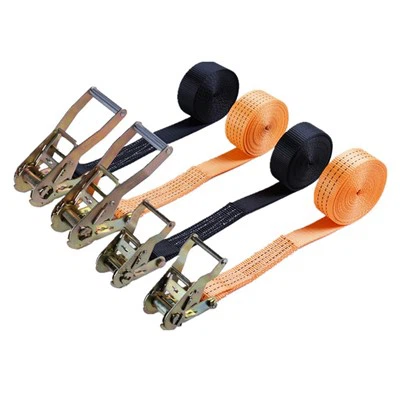
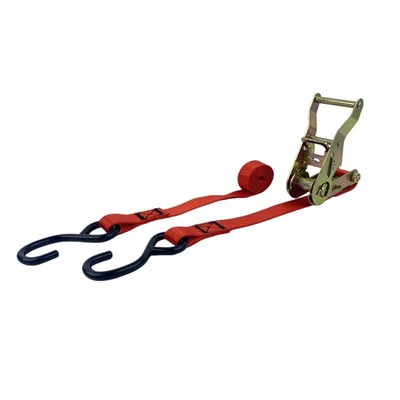
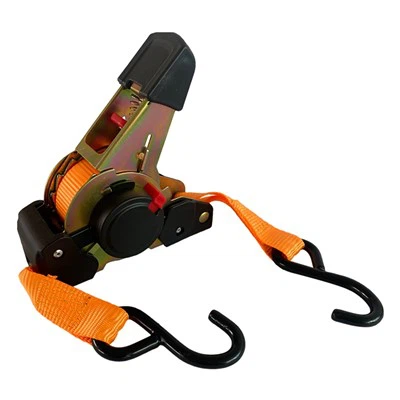
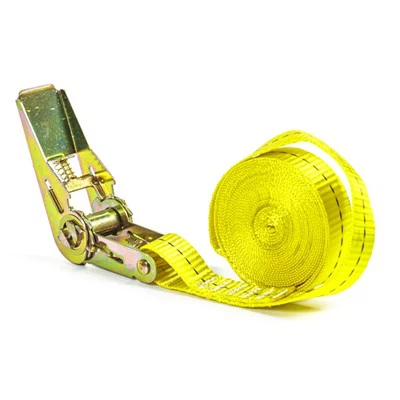
Ratchet rope straps are a type of tie - down device that consists of a strap, a ratchet mechanism, and hooks. The ratchet mechanism allows for easy tightening of the strap, providing a strong and secure hold on the cargo. The straps are typically made of durable materials such as polyester webbing, which offers high tensile strength and resistance to abrasion, UV rays, and moisture.
These straps come in various lengths and widths, with different weight - capacities to accommodate different types of loads. For example, Box Truck Ratchet Straps are designed specifically for use in box trucks and can handle heavier loads, while Marine Ratchet Straps are built to withstand the harsh marine environment. Truck Ratchet Tie Down Straps are also widely used for general trucking applications.
Advantages of Using Ratchet Rope Straps for Bicycles
1. Strong and Secure Hold
The ratchet mechanism in these straps allows you to tighten the strap to a high degree of tension. This is crucial when transporting bicycles, as it prevents the bikes from shifting during transit. Whether you are transporting a single bike on the back of a car or multiple bikes in a truck, the strong hold provided by ratchet rope straps ensures that the bicycles remain in place, reducing the risk of damage.
2. Adjustable Length
Ratchet rope straps can be easily adjusted to the desired length. This is beneficial when securing bicycles of different sizes and shapes. You can cut the excess strap length if needed, or use the adjustability feature to fit the strap around the frame, wheels, or other parts of the bike for a customized and secure fit.
3. Durability
As mentioned earlier, the polyester webbing used in ratchet rope straps is highly durable. It can withstand the vibrations and movements associated with transportation, as well as exposure to the elements. This means that the straps will last for a long time, providing reliable service for multiple bicycle transport trips.
4. Versatility
Ratchet rope straps can be used in a variety of transportation scenarios. You can use them to secure bicycles on a roof rack, in a truck bed, or on a trailer. They can also be used in combination with other tie - down methods for added security.
Potential Drawbacks and Considerations
1. Risk of Scratching
The hooks on ratchet rope straps can potentially scratch the paint or finish of the bicycle frame. To mitigate this risk, you can use protective covers or padding on the hooks. Some straps also come with rounded or soft - edged hooks to reduce the chances of scratching.
2. Over - tightening
If the ratchet strap is tightened too much, it can put excessive pressure on the bicycle frame, especially if it is made of lightweight materials such as carbon fiber. This can lead to frame damage or deformation. It's important to use the right amount of tension and to be aware of the limitations of the bicycle frame.


3. Proper Placement
Proper placement of the ratchet rope straps is essential for effective and safe bicycle securing. You need to ensure that the straps are placed around sturdy parts of the bike frame, such as the top tube or down tube, and not around delicate components like the derailleur or brake cables. Incorrect placement can lead to damage to the bike's components or an insecure hold.
Best Practices for Using Ratchet Rope Straps to Secure Bicycles
1. Inspect the Straps
Before each use, inspect the ratchet rope straps for any signs of wear, such as fraying, cuts, or damage to the ratchet mechanism. If you find any issues, replace the strap immediately to ensure safe transportation.
2. Use Protective Padding
As mentioned earlier, use protective padding on the hooks and any parts of the strap that come into contact with the bicycle frame. This can be as simple as using a piece of foam or a cloth sleeve.
3. Secure the Bicycle Properly
Place the straps around strong parts of the bike frame and tighten them to a reasonable tension. Make sure the bike is stable and does not wobble or shift. You can also use multiple straps for added security, especially for larger or heavier bicycles.
4. Check the Tension During Transit
It's a good idea to check the tension of the ratchet rope straps periodically during transit, especially if you have a long journey. Vibrations and movements can cause the straps to loosen over time, so readjusting the tension as needed will help keep the bicycle secure.
Conclusion
In conclusion, ratchet rope straps are generally a suitable option for securing bicycles during transportation. They offer a strong and adjustable hold, durability, and versatility. However, it's important to be aware of the potential drawbacks and to follow best practices to ensure the safety of the bicycles.
If you are in the market for high - quality ratchet rope straps for bicycle transportation or other applications, we are here to help. Our range of ratchet rope straps is designed to meet the highest standards of quality and performance. We can provide you with the right straps for your specific needs, whether you are a casual cyclist or a professional bike transporter. Contact us today to discuss your requirements and start a procurement conversation.
References
- General knowledge of tie - down products and bicycle transportation.
- Industry standards and best practices for using ratchet rope straps.