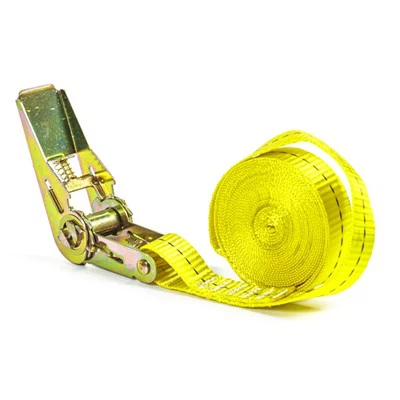
Hey there! I'm a supplier of Ratchet Straps and Tie Downs, and I often get asked this question: Are ratchet straps and tie downs fire-resistant? Well, let's dive right into it.
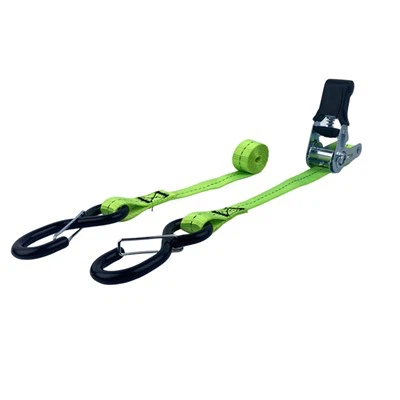
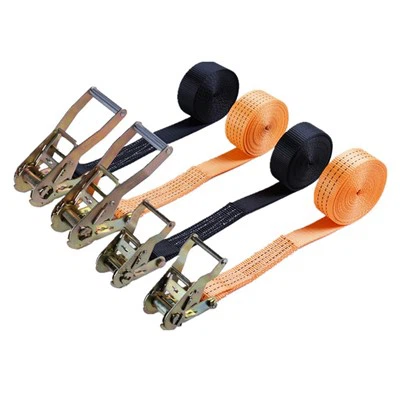
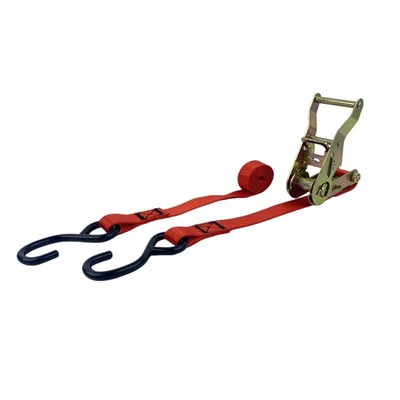
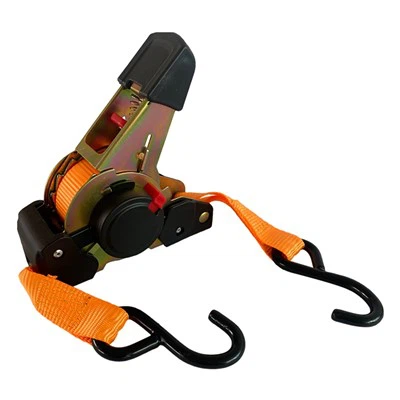
First off, let's understand what ratchet straps and tie downs are. They're widely used in various industries to secure cargo, whether it's on a trailer, a truck, or even for off - road vehicles like UTVs. Trailer Ratchet Tie Downs are essential for safely transporting goods on trailers, ensuring that everything stays in place during transit. Similarly, Utv Tie Downs For Trailer and Tie Down Straps For Utv are designed to keep UTVs firmly attached to trailers, preventing any movement that could lead to damage or accidents.
Now, back to the fire - resistance question. Most standard ratchet straps and tie downs are not inherently fire - resistant. These are typically made from materials like polyester webbing. Polyester is a popular choice because it's strong, durable, and relatively inexpensive. However, it's also flammable. When exposed to high heat or an open flame, polyester webbing can catch fire, melt, and lose its strength rapidly.
Let me give you an example. Imagine you're transporting a load on your trailer, and there's a small fire in the vicinity, maybe from an engine malfunction or a nearby wildfire. If your ratchet straps are made of regular polyester webbing, they could quickly become a hazard. Once they start burning, they'll break apart, and your cargo will no longer be secured. This could lead to the cargo shifting, potentially causing the trailer to become unstable or even causing the load to fall off onto the road, endangering other drivers.
But don't worry, there are options for fire - resistant ratchet straps and tie downs. Some manufacturers, including some of the products we offer, treat the webbing with fire - retardant chemicals. These chemicals can slow down the burning process or prevent the webbing from catching fire altogether. When a fire - retardant treated strap is exposed to heat or flame, a layer of char forms on the surface. This char acts as a barrier, protecting the rest of the webbing from the fire and maintaining the strap's integrity for a longer time.


However, it's important to note that fire - retardant doesn't mean fire - proof. Even the best fire - retardant ratchet straps and tie downs have their limits. If they're exposed to extremely high temperatures or a large, intense fire for an extended period, they will eventually fail.
So, how can you tell if your ratchet straps are fire - resistant? One way is to look for labels or certificates from relevant testing organizations. Reputable manufacturers will test their fire - retardant products to standard flammability tests. These tests measure how long the strap can withstand exposure to fire and still maintain its functionality. If a product has passed these tests, it usually comes with a label or a certificate that indicates its fire - retardant properties.
Another thing to consider is cost. Fire - resistant ratchet straps and tie downs are generally more expensive than their non - fire - resistant counterparts. The treatment process adds to the production cost, and that's reflected in the price. But when you're transporting valuable or dangerous cargo, or if you're operating in an environment where there's a higher risk of fire, the extra cost can be well worth it for the added safety.
Now, let's talk about maintenance. If you've invested in fire - resistant ratchet straps and tie downs, proper maintenance is crucial. Over time, the fire - retardant chemicals on the webbing can wear off, especially if the straps are exposed to harsh conditions, like constant sunlight, moisture, or abrasion. Regularly inspect your straps for signs of wear, and if you notice that the fire - retardant properties seem to be diminishing, it might be time to replace them.
In some industries, fire - resistant ratchet straps and tie downs are not just a good idea; they're a necessity. For example, in the transportation of hazardous materials, regulatory bodies often require the use of fire - resistant restraints. This is to minimize the risk of a fire causing a spill or release of dangerous substances, which could have serious environmental and safety consequences.
If you're in the market for ratchet straps and tie downs, and fire - resistance is a concern for you, don't hesitate to reach out. As a supplier, we can provide you with detailed information about the fire - retardant properties of our products, help you choose the right straps for your specific needs, and offer guidance on installation and maintenance. Whether you need Trailer Ratchet Tie Downs for a large commercial haul or Tie Down Straps For Utv for your weekend off - road adventures, we've got you covered.
If you're interested in discussing your procurement needs, feel free to get in touch. We're more than happy to have a chat about your requirements, provide you with quotes, and help you make the best decision for your cargo - securing needs. Don't compromise on safety when it comes to transporting your valuable goods.
References
- ASTM International Standards on Flammability for Synthetic Webbing.
- Research Papers on the Effects of Fire - Retardant Treatments on Polyester Webbing.
- Industry Guidelines for the Use of Ratchet Straps and Tie Downs in Hazardous Material Transportation.