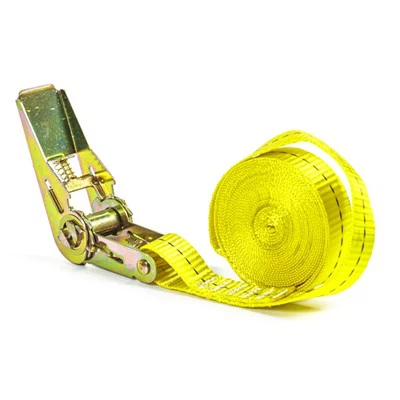
Are retractable tie down straps suitable for use in extreme temperatures? This is a question that many customers, especially those in industries relying on secure cargo transportation, often ask. As a supplier of retractable tie down straps, I am well - versed in the performance of these products under various conditions, and I'm eager to share my insights.
Understanding Retractable Tie Down Straps
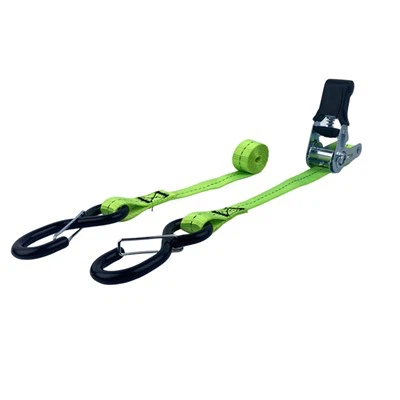
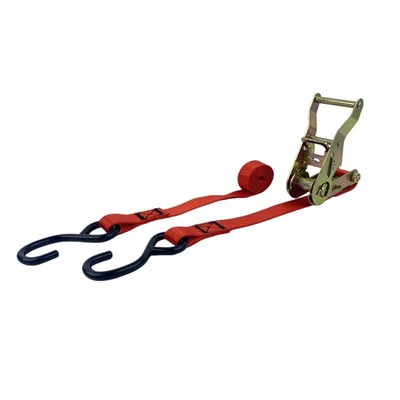
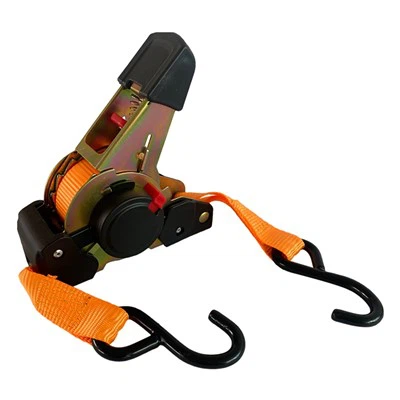
Retractable tie down straps are a popular choice for securing cargo due to their convenience and ease of use. They typically consist of a strap that can be easily pulled out and locked into place, and then retracted back into a housing when not in use. These straps are used in a wide range of applications, from securing equipment on trucks to tying down items in trailers.
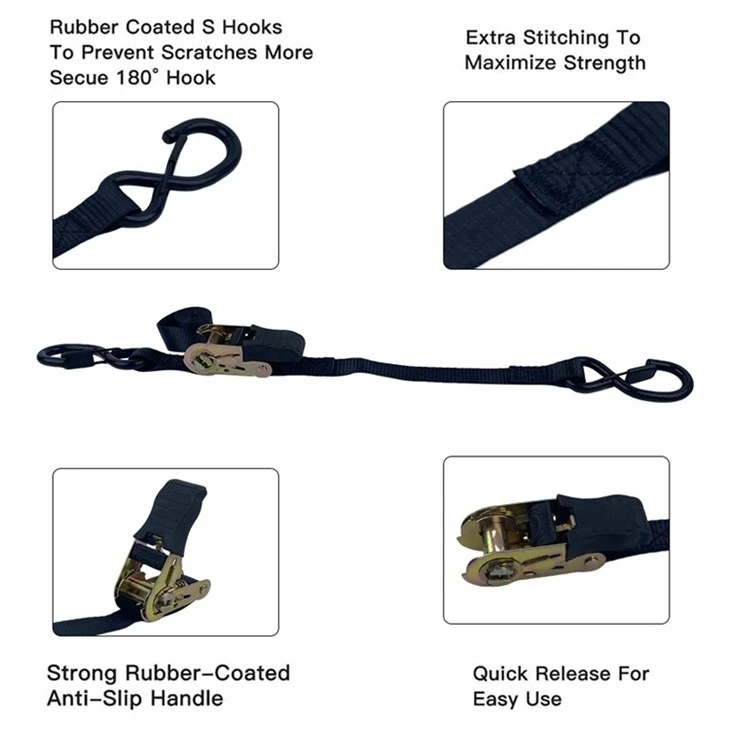

The materials used in retractable tie down straps play a crucial role in their performance. Most commonly, the straps are made of high - strength polyester webbing, which offers excellent tensile strength and resistance to abrasion. The housing and locking mechanisms are usually made of durable plastics or metals, designed to withstand the rigors of regular use.
The Impact of Extreme Temperatures on Materials
High Temperatures
In high - temperature environments, the materials of retractable tie down straps can be affected in several ways. Polyester webbing, while generally heat - resistant, can start to lose some of its strength when exposed to prolonged high temperatures. As the temperature rises, the molecular structure of the polyester can begin to break down, leading to a reduction in tensile strength.
For example, if a retractable tie down strap is left in a hot truck bed under direct sunlight for an extended period, the heat can cause the webbing to become brittle. This brittleness can increase the risk of the strap breaking under stress, which is a serious safety concern when securing heavy cargo.
The plastic components in the housing and locking mechanisms can also be affected by high temperatures. Plastics may expand when heated, which can lead to misalignments in the locking mechanism. This could result in the strap not locking properly or being difficult to retract, rendering the strap ineffective.
Low Temperatures
Low temperatures present a different set of challenges. Polyester webbing becomes stiffer in cold conditions. This stiffness can make the strap more difficult to handle, as it may not bend or conform to the shape of the cargo as easily. The reduced flexibility can also increase the risk of the webbing cracking, especially if it is subjected to sudden impacts or sharp bends.
The metal parts in the locking mechanisms can be prone to corrosion in cold, damp environments. Moisture can condense on the metal surfaces, and if not properly protected, rust can form. Rust can weaken the metal components, leading to a failure of the locking mechanism and potentially causing the strap to come loose.
Performance in Specific Extreme Temperature Scenarios
Desert Conditions
In desert regions, temperatures can soar during the day, often exceeding 100°F (38°C). The intense heat and sunlight can take a toll on retractable tie down straps. The polyester webbing may gradually degrade over time, and the plastic parts can become soft and pliable. This can lead to issues such as the strap slipping out of the locking mechanism or the housing becoming deformed.
However, if the straps are made with high - quality materials and proper UV - resistant coatings, they can withstand these conditions to a certain extent. For example, some of our retractable tie down straps are treated with special UV inhibitors that help protect the webbing from the harmful effects of sunlight.
Arctic Conditions
In arctic environments, temperatures can drop well below freezing, sometimes reaching - 40°F (- 40°C) or lower. The extreme cold makes the polyester webbing extremely stiff, and the metal components can become brittle. The locking mechanisms may freeze up, making it impossible to adjust or release the strap.
To address these issues, we offer retractable tie down straps with special cold - resistant materials. The webbing is formulated to remain flexible at low temperatures, and the metal parts are treated to resist corrosion in cold, wet conditions.
Case Studies and Real - World Examples
We have received feedback from customers who have used our retractable tie down straps in extreme temperature conditions. One customer in the oil and gas industry, who operates in the deserts of the Middle East, reported that our straps held up well despite the high temperatures. They noted that the UV - resistant coating on the webbing prevented significant degradation, and the locking mechanisms remained functional.
On the other hand, a customer in the logging industry in Canada's northern regions faced challenges with standard retractable tie down straps in the winter. The straps became too stiff to use effectively, and the locking mechanisms froze. After switching to our cold - resistant models, they were able to secure their cargo safely even in sub - zero temperatures.
Our Product Solutions for Extreme Temperatures
As a supplier, we have developed a range of retractable tie down straps designed to perform in extreme temperature conditions. Our high - temperature resistant straps feature enhanced polyester webbing with improved heat - resistance properties. The plastic components are made from heat - stable polymers that can withstand high temperatures without deforming.
For cold - weather applications, our cold - resistant straps are engineered with a special blend of materials that maintain flexibility at low temperatures. The metal parts are coated with anti - corrosion agents to prevent rust in cold, damp environments.
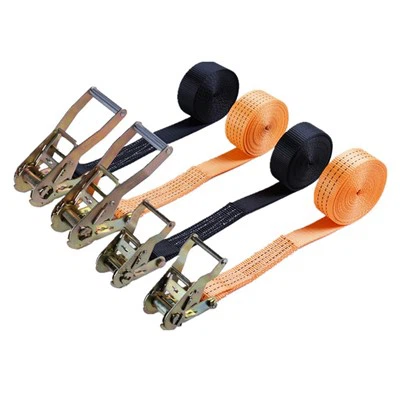
In addition to these specialized products, we also offer a variety of other tie - down solutions, such as 1000 Lb Ratchet Straps, Truck Ratchet Tie Down Straps, and Cargo Straps For Trailers. These products are designed to meet the diverse needs of our customers, whether they are transporting heavy equipment on trucks or securing cargo in trailers.
Conclusion
In conclusion, retractable tie down straps can be suitable for use in extreme temperatures, but it depends on the specific product and its design. While standard straps may face challenges in high or low - temperature environments, our specialized products are engineered to overcome these issues.
If you are in an industry that requires the use of tie - down straps in extreme temperatures, it is essential to choose the right product. Our range of retractable tie down straps, along with our other tie - down solutions, offers reliable performance and safety in all conditions.
We understand that the security of your cargo is of utmost importance. That's why we are committed to providing high - quality products that meet the highest standards. If you are interested in learning more about our products or have specific requirements for your application, we encourage you to contact us for a detailed discussion. Our team of experts is ready to assist you in finding the best tie - down solution for your needs.
References
- ASTM International. (Year). Standard test methods for performance of tie - down straps.
- Manufacturer's technical data sheets for polyester webbing and plastic components used in retractable tie down straps.
- Customer feedback and case studies from various industries using retractable tie down straps in extreme temperature conditions.