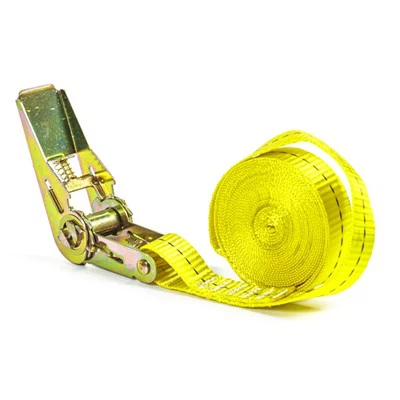
Can Ratchet Rope Straps be used for securing pipes?
In the world of cargo securing, finding the right tool for the job is crucial. As a supplier of Ratchet Rope Straps, I often receive inquiries about the versatility of these products, especially when it comes to securing pipes. In this blog post, I will delve into the feasibility of using Ratchet Rope Straps for pipe securing, exploring their advantages, limitations, and best practices.
Advantages of Using Ratchet Rope Straps for Securing Pipes
One of the primary advantages of Ratchet Rope Straps is their flexibility. Unlike rigid metal straps, rope straps can conform to the shape of the pipes, providing a more secure hold. This is particularly important when dealing with irregularly shaped or curved pipes. The rope material also offers a degree of cushioning, which can prevent damage to the pipe's surface during transportation.
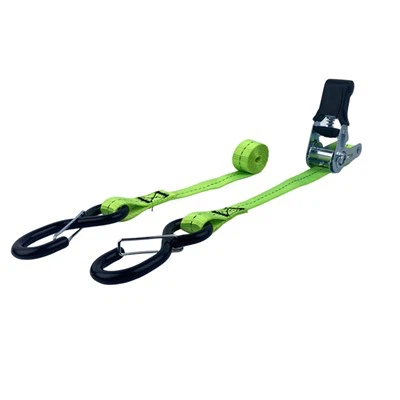
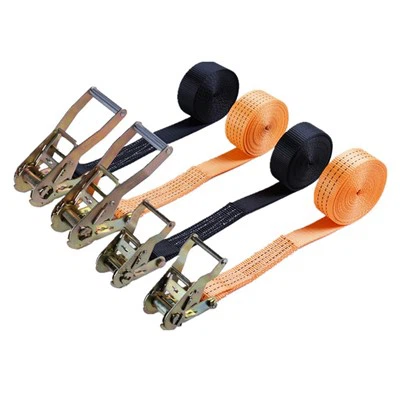
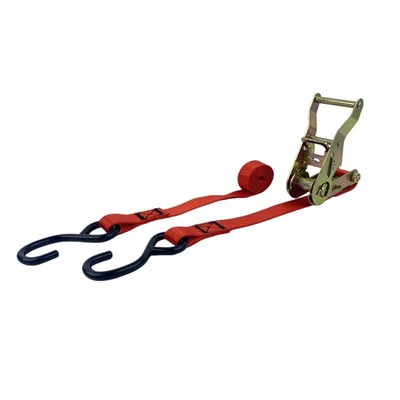
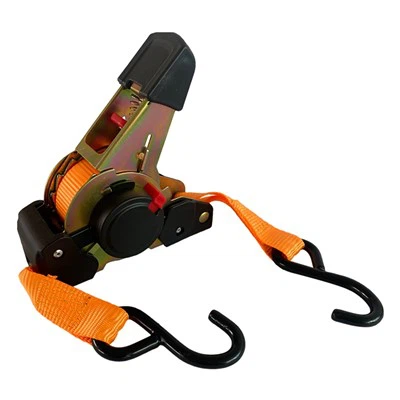
Another benefit is the ease of use. Ratchet Rope Straps are equipped with a ratcheting mechanism that allows for quick and easy tightening. This means that you can secure your pipes in a matter of minutes, even if you are working alone. The ratchet also provides a high level of tension, ensuring that the pipes remain firmly in place during transit.


Ratchet Rope Straps are also highly adjustable. You can easily adjust the length of the strap to fit the size of your pipes and the specific requirements of your load. This makes them suitable for a wide range of pipe sizes and configurations.
In addition to their flexibility and ease of use, Ratchet Rope Straps are also relatively lightweight. This makes them easy to handle and transport, especially when compared to heavier metal straps. The lightweight design also reduces the overall weight of your load, which can help to improve fuel efficiency and reduce transportation costs.
Limitations of Using Ratchet Rope Straps for Securing Pipes
While Ratchet Rope Straps offer many advantages, they also have some limitations. One of the main limitations is their strength. While rope straps are strong enough to secure most types of pipes, they may not be suitable for extremely heavy or large pipes. In these cases, you may need to use a more heavy-duty securing method, such as metal straps or chains.
Another limitation is the risk of abrasion. The rope material can be prone to wear and tear, especially if it comes into contact with sharp edges or rough surfaces. This can weaken the strap over time and reduce its effectiveness. To minimize the risk of abrasion, it is important to use protective sleeves or padding when securing your pipes with Ratchet Rope Straps.
Ratchet Rope Straps are also susceptible to damage from UV rays and moisture. Exposure to sunlight and water can cause the rope to deteriorate, which can reduce its strength and durability. To prevent this, it is important to store your Ratchet Rope Straps in a cool, dry place when not in use.
Best Practices for Using Ratchet Rope Straps to Secure Pipes
To ensure that you are using Ratchet Rope Straps effectively and safely, it is important to follow some best practices. Here are some tips to help you secure your pipes with Ratchet Rope Straps:
- Choose the right size and strength of strap: Make sure that you choose a Ratchet Rope Strap that is suitable for the size and weight of your pipes. You can refer to the manufacturer's specifications to determine the appropriate strap size and strength for your load.
- Inspect the strap before use: Before using your Ratchet Rope Strap, inspect it for any signs of damage or wear. Look for frayed edges, cuts, or other signs of damage. If you notice any damage, do not use the strap and replace it with a new one.
- Use protective sleeves or padding: To minimize the risk of abrasion, use protective sleeves or padding when securing your pipes with Ratchet Rope Straps. This will help to protect the strap and the pipe's surface from damage.
- Tighten the strap properly: Use the ratcheting mechanism to tighten the strap until it is snug but not overly tight. Over-tightening the strap can cause damage to the pipe or the strap itself.
- Secure the ends of the strap: Once you have tightened the strap, make sure that the ends are securely fastened. You can use the buckle or other fastening mechanism to secure the ends of the strap.
- Check the strap regularly: During transit, check the Ratchet Rope Strap regularly to make sure that it is still tight and secure. If you notice any signs of loosening or damage, stop and adjust the strap as needed.
Conclusion
In conclusion, Ratchet Rope Straps can be a viable option for securing pipes. They offer many advantages, including flexibility, ease of use, adjustability, and lightweight design. However, they also have some limitations, such as strength and abrasion resistance. By following the best practices outlined in this blog post, you can ensure that you are using Ratchet Rope Straps effectively and safely to secure your pipes.
If you are interested in purchasing Ratchet Rope Straps for your pipe securing needs, we offer a wide range of high-quality products. Our 1000 Lb Ratchet Straps are designed to provide reliable and secure fastening for a variety of loads, including pipes. We also offer Heavy Duty Tie Down Hooks and Utv Tie Downs For Trailer to complement your securing needs.
If you have any questions or would like to discuss your specific requirements, please feel free to contact us. We are here to help you find the best solutions for your cargo securing needs.
References
- "Cargo Securement Handbook" - Federal Motor Carrier Safety Administration
- "Ratchet Straps: How to Choose the Right One" - SafeWise