As a supplier of ratchet tie downs, I often get asked whether these versatile tools can be effectively used for securing construction materials. The short answer is yes, but there's a lot more to it than just a simple affirmation. In this blog post, I'll delve into the details of using ratchet tie downs for construction material securing, exploring their benefits, limitations, and best practices.
The Versatility of Ratchet Tie Downs
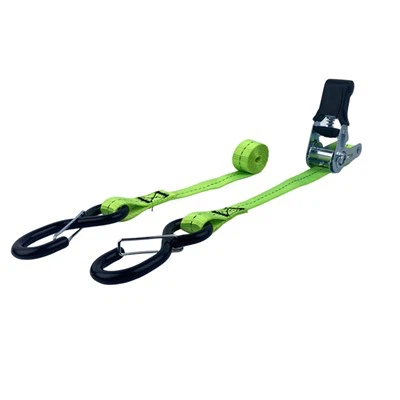
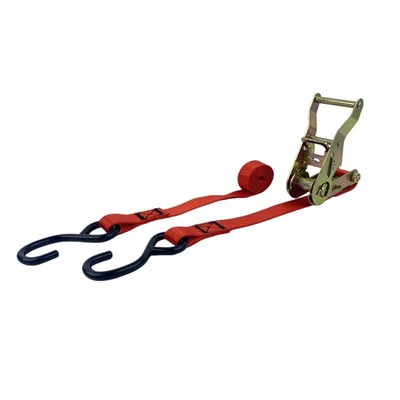
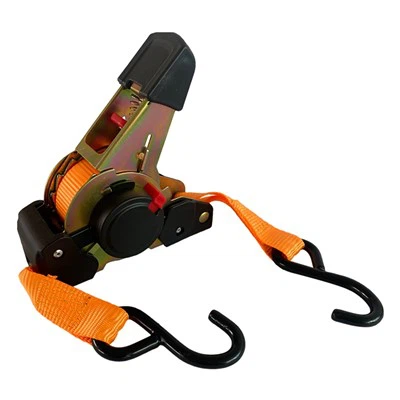
Ratchet tie downs are a staple in the world of cargo securing, and for good reason. They consist of a strap, a ratchet mechanism, and end fittings, which work together to create a strong and adjustable hold. The ratchet mechanism allows you to tighten the strap with ease, providing a secure hold on your cargo. This adjustability makes ratchet tie downs suitable for a wide range of applications, including securing construction materials.
Benefits of Using Ratchet Tie Downs for Construction Materials
-
Strength and Durability
Ratchet tie downs are typically made from high-strength materials such as polyester webbing, which can withstand heavy loads and harsh environmental conditions. This makes them ideal for securing construction materials like lumber, steel beams, and concrete blocks. The strong webbing and robust ratchet mechanism ensure that your materials stay in place during transportation or storage. -
Adjustability
One of the key advantages of ratchet tie downs is their adjustability. You can easily tighten or loosen the strap to fit the size and shape of your construction materials. This flexibility allows you to secure different types of materials, regardless of their dimensions. Whether you're transporting a single large beam or multiple smaller pieces, ratchet tie downs can be adjusted to provide a secure hold. -
Ease of Use
Ratchet tie downs are relatively easy to use, even for those who are not familiar with cargo securing. The ratchet mechanism simplifies the process of tightening the strap, and most tie downs come with clear instructions on how to operate them. This means that you can quickly and efficiently secure your construction materials without the need for specialized tools or training. -
Reusability
Unlike some other types of cargo securing methods, ratchet tie downs are reusable. After you've transported your construction materials, you can simply release the ratchet mechanism and remove the tie down. The tie down can then be stored for future use, making it a cost-effective solution for securing your materials over time.
Types of Construction Materials That Can Be Secured with Ratchet Tie Downs
Ratchet tie downs can be used to secure a wide variety of construction materials. Here are some common examples:
Lumber
Lumber is one of the most commonly transported construction materials, and ratchet tie downs are an excellent choice for securing it. Whether you're transporting long boards or stacks of lumber, ratchet tie downs can be used to keep the wood in place and prevent it from shifting during transit. You can use multiple tie downs to secure the lumber at different points, ensuring a stable and secure load.
Steel Beams
Steel beams are heavy and bulky, making them challenging to transport. Ratchet tie downs can provide the necessary strength and stability to secure steel beams safely. The strong webbing of the tie down can withstand the weight of the beams, and the adjustable ratchet mechanism allows you to tighten the strap to a secure fit.


Concrete Blocks
Concrete blocks are another common construction material that can be secured with ratchet tie downs. The blocks can be stacked and then secured using tie downs to prevent them from falling or shifting. Ratchet tie downs can also be used to secure pallets of concrete blocks, making it easier to transport them using a forklift or other equipment.
Tools and Equipment
In addition to large construction materials, ratchet tie downs can also be used to secure tools and equipment. Whether you're transporting power tools, hand tools, or other equipment, ratchet tie downs can keep them in place and prevent them from getting damaged during transit. You can use tie downs to secure the tools to a truck bed or a storage container.
Limitations of Using Ratchet Tie Downs for Construction Materials
While ratchet tie downs are a versatile and effective solution for securing construction materials, they do have some limitations.
Weight Capacity
Each ratchet tie down has a specific weight capacity, which indicates the maximum amount of weight it can safely secure. It's important to choose a tie down with a weight capacity that is appropriate for the materials you're transporting. If you exceed the weight capacity of the tie down, it may break or fail, leading to a dangerous situation.
Environmental Conditions
Ratchet tie downs are designed to withstand a certain range of environmental conditions, but extreme heat, cold, or moisture can affect their performance. For example, exposure to sunlight can cause the webbing to degrade over time, reducing its strength. Similarly, exposure to moisture can cause rusting of the ratchet mechanism. It's important to store your ratchet tie downs in a dry, cool place when not in use and to inspect them regularly for signs of damage.
Proper Installation
To ensure the effectiveness of ratchet tie downs, they must be installed correctly. This includes using the appropriate end fittings, tightening the strap to the correct tension, and ensuring that the tie down is properly secured to the vehicle or storage surface. Improper installation can lead to the tie down coming loose or failing, which can result in damage to your materials or a safety hazard.
Best Practices for Using Ratchet Tie Downs to Secure Construction Materials
To get the most out of your ratchet tie downs and ensure the safe transportation of your construction materials, follow these best practices:
Choose the Right Tie Down
Select a ratchet tie down with a weight capacity that is suitable for the materials you're transporting. Consider the size, shape, and weight of your materials when choosing a tie down. You may need to use multiple tie downs to secure larger or heavier loads.
Inspect the Tie Down
Before using a ratchet tie down, inspect it for any signs of damage, such as cuts, fraying, or rust. If you notice any damage, do not use the tie down and replace it with a new one. Regular inspections can help prevent tie down failures and ensure the safety of your materials.
Install the Tie Down Correctly
Follow the manufacturer's instructions for installing the ratchet tie down. Make sure the end fittings are properly attached to the vehicle or storage surface and that the strap is threaded through the ratchet mechanism correctly. Tighten the strap to the appropriate tension, but avoid over-tightening, as this can damage the tie down or the materials.
Secure the Materials Properly
When securing construction materials, make sure they are properly aligned and stacked. Use additional padding or support if necessary to prevent the materials from shifting or rubbing against each other. Secure the materials at multiple points to distribute the weight evenly and prevent them from moving during transit.
Check the Tension Regularly
During transportation, check the tension of the ratchet tie downs regularly to ensure they are still secure. If you notice any signs of loosening, stop and retighten the tie downs as needed. This can help prevent the materials from shifting or falling off the vehicle.
Our Product Range
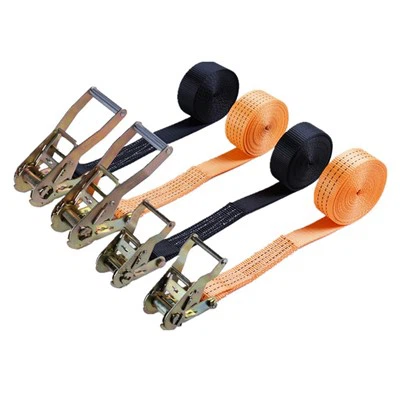
At our company, we offer a wide range of high-quality ratchet tie downs suitable for securing construction materials. Our High Quality Ratchet Straps are made from durable polyester webbing and feature a reliable ratchet mechanism. We also have Tractor Tie Down Straps designed specifically for securing tractors and other heavy equipment, as well as Motorcycle Ratchet Tie Down Straps for transporting motorcycles safely.
If you're in the market for ratchet tie downs to secure your construction materials, we'd love to hear from you. Our team of experts can help you choose the right tie downs for your specific needs and provide you with detailed information about our products. Contact us today to start a conversation about your procurement requirements.
References
- Cargo Securement Handbook, Federal Motor Carrier Safety Administration
- Ratchet Tie Down Manufacturer's Manuals