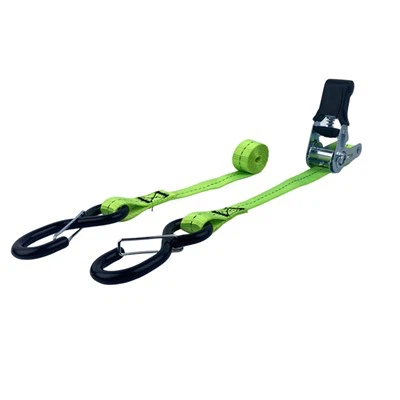
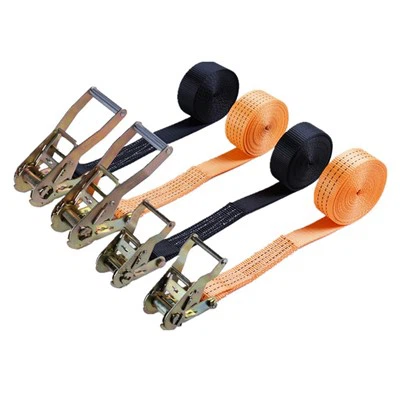
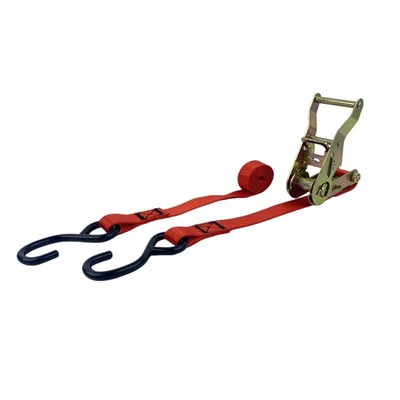
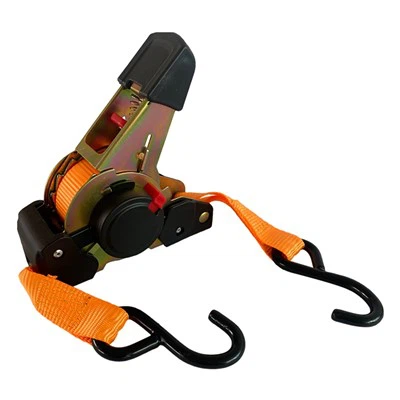
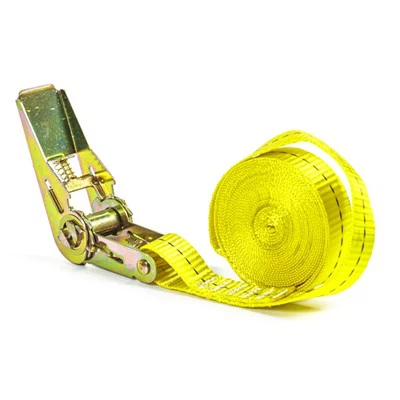
The lifespan of a ratchet in vehicle ratchet straps is a crucial consideration for anyone involved in the transportation and securing of vehicles. As a supplier of Vehicle Ratchet Straps, I have seen firsthand the importance of understanding how long these essential components can last. In this blog post, I will explore the factors that influence the lifespan of ratchets in vehicle ratchet straps, provide some estimates based on industry standards, and offer tips on how to extend their useful life.
Factors Affecting the Lifespan of Ratchets
1. Quality of Materials
The quality of materials used in the manufacturing of the ratchet is perhaps the most significant factor in determining its lifespan. High - quality ratchets are typically made from durable metals such as alloy steel or stainless steel. These materials are resistant to corrosion, wear, and deformation. For example, High Quality Ratchet Strap often feature ratchets made from premium metals that can withstand the rigors of heavy - duty use. On the other hand, lower - quality ratchets may be made from cheaper metals that are more prone to rust and breakage, significantly reducing their lifespan.
2. Frequency of Use
The more frequently a ratchet strap is used, the shorter its lifespan is likely to be. In a commercial setting where vehicle ratchet straps are used multiple times a day, the ratchet will experience more wear and tear compared to a strap that is used only occasionally. For instance, a towing company that secures vehicles on a daily basis will put much more stress on the ratchets than an individual who only uses the straps for a few trips a year.
3. Load Capacity and Strain
The amount of weight and force that the ratchet strap is subjected to also plays a major role. If the ratchet is constantly used to secure heavy vehicles or loads that exceed its recommended capacity, it will experience excessive strain. This can lead to premature wear of the teeth in the ratchet mechanism, as well as deformation of the ratchet body. For example, using an Extra Long Ratchet Straps to secure a large, heavy vehicle without considering the load capacity can cause the ratchet to fail much sooner than expected.
4. Environmental Conditions
The environment in which the ratchet straps are used and stored can have a significant impact on their lifespan. Exposure to moisture, saltwater, extreme temperatures, and chemicals can all cause corrosion and damage to the ratchet. For example, if the straps are used in coastal areas where the air is salty, or in industrial settings where they are exposed to chemicals, the ratchet will corrode more quickly. Similarly, storing the straps in a damp or humid environment can also lead to rust and deterioration.
Estimated Lifespan of Ratchets
Based on industry experience and research, a high - quality ratchet in a vehicle ratchet strap that is used under normal conditions (moderate frequency of use, within the recommended load capacity, and in a relatively clean environment) can last anywhere from 5 to 10 years. However, this is just a rough estimate, and the actual lifespan can vary widely depending on the factors mentioned above.
In a light - duty, occasional use scenario, such as an individual using the straps for personal vehicle transportation a few times a year, the ratchet could potentially last even longer, perhaps 10 to 15 years. On the other hand, in a heavy - duty, commercial use setting where the straps are used multiple times a day and exposed to harsh conditions, the ratchet may need to be replaced every 1 to 3 years.
Tips to Extend the Lifespan of Ratchets
1. Choose High - Quality Straps
As mentioned earlier, investing in high - quality Vehicle Ratchet Straps with well - made ratchets is the first step in ensuring a long lifespan. Look for straps that are made from durable materials and have a good reputation for quality.
2. Use within Load Capacity
Always check the load capacity of the ratchet strap before use and make sure that the load you are securing does not exceed this limit. Overloading the ratchet can cause irreversible damage and significantly shorten its lifespan.
3. Proper Storage
Store the ratchet straps in a dry, clean place when not in use. If possible, keep them in a protective case or container to prevent exposure to moisture and other environmental hazards.
4. Regular Inspection and Maintenance
Regularly inspect the ratchet for signs of wear, corrosion, or damage. Check the teeth in the ratchet mechanism to make sure they are not worn down or damaged. If you notice any issues, replace the ratchet immediately. Additionally, lubricating the ratchet mechanism periodically can help reduce friction and wear.


Conclusion
Understanding the lifespan of the ratchet in vehicle ratchet straps is essential for anyone who uses these straps to secure vehicles. By considering the factors that affect the lifespan, such as material quality, frequency of use, load capacity, and environmental conditions, you can make informed decisions about when to replace the ratchets. By following the tips for extending the lifespan, you can get the most out of your vehicle ratchet straps and ensure the safety and reliability of your vehicle transportation.
If you are in the market for high - quality vehicle ratchet straps or have any questions about our products, we invite you to contact us for more information and to discuss your specific needs. Our team of experts is ready to assist you in finding the right solution for your vehicle securing requirements.
References
- Industry standards and guidelines for vehicle ratchet straps
- Manufacturer's specifications and recommendations for ratchet strap use and maintenance
- Personal experience and observations as a vehicle ratchet strap supplier